







Leadership
What 2025 taught India’s leaders about courage, culture and capability
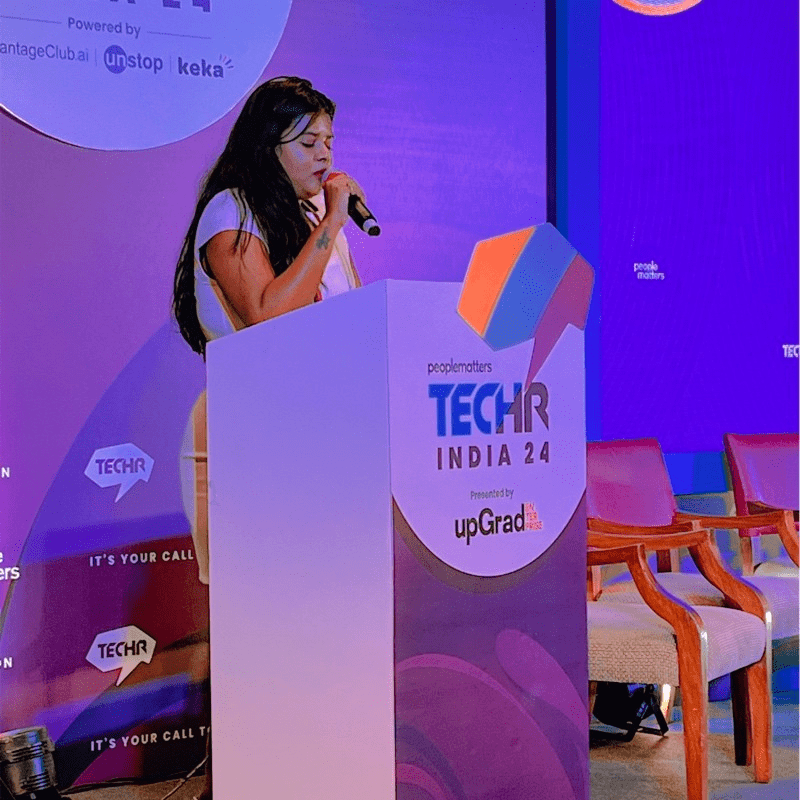





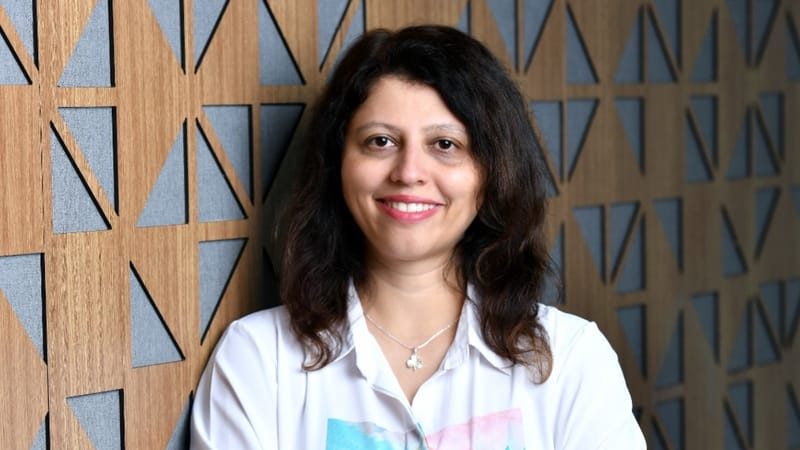
Axis Securities’ HR head reflects on the leadership shifts that defined 2025 and the capabilities leaders will need in 2026.
If there was one idea that crystallised for India Inc in 2025, it was that uncertainty is no longer a phase but the environment leaders now work in. Speaking to People Matters, Soonu Wadewala, Head of HR at Axis Securities, said the year forced leaders to operate with far more resolve than before and to accept that difficult calls, uncomfortable conversations and a greater duty of care towards employees are now central to the job.
“The one non-negotiable lesson of 2025 was leading with courage in uncertainty,” she said, describing a landscape shaped by geopolitical tension, shifting markets and hybrid-work strain. Leaders, she noted, had to ground themselves first before setting direction for others.
The operational pace of the year compounded that pressure. Digital acceleration, automation and rising consumer expectations pushed organisations into what Wadewala described as an “immediacy loop” — a cycle where stakeholders expect rapid, personalised responses. In practice, this meant leadership teams spent the year reshaping skills, hiring for adaptive attributes, and sharpening their Digital Quotient.
“Adaptation in 2025 was defined by real-time responsiveness and relentless reinvention,” she said. Leaders who managed to rebuild processes on the fly, experiment under pressure and model continuous learning were the ones who held their ground.
Culture — often a talking point in calmer periods — became a hard-edged business issue in 2025. Wadewala argued that “culture is the engine that executes strategy”, and said Axis Securities treated values as measurable KPIs. The firm also introduced Happiness and Stress indices to gauge organisational resilience. “Culture is not a soft factor; it is the ultimate differentiator in execution,” she said.
Frontline managers also re-entered the spotlight. They were, in her words, the “sandwich segment”: accountable upwards, responsible downwards and exposed to customers at the same time. Organisations discovered that strengthening this group required more than technical training. They needed coaching capability, access to the right data, and self-awareness. “To regulate others, they must start with self-regulation,” Wadewala said.
Looking to 2026, she expects the capability gap to widen unless organisations invest in what she calls the “bionic leader” — someone who combines high Digital Quotient with high Emotional Quotient. Only leaders who balance these forces, she said, will build resilient, high-performing, future-ready teams.
The year ahead, she suggested, will test how deeply leaders have internalised the lessons of 2025 — and whether courage, capability and culture can move from rhetoric to practice.
Topics
Author
Loading...