







Leadership
What CHROs are prioritising for 2026: Lowe’s India HR leader outlines three shifts
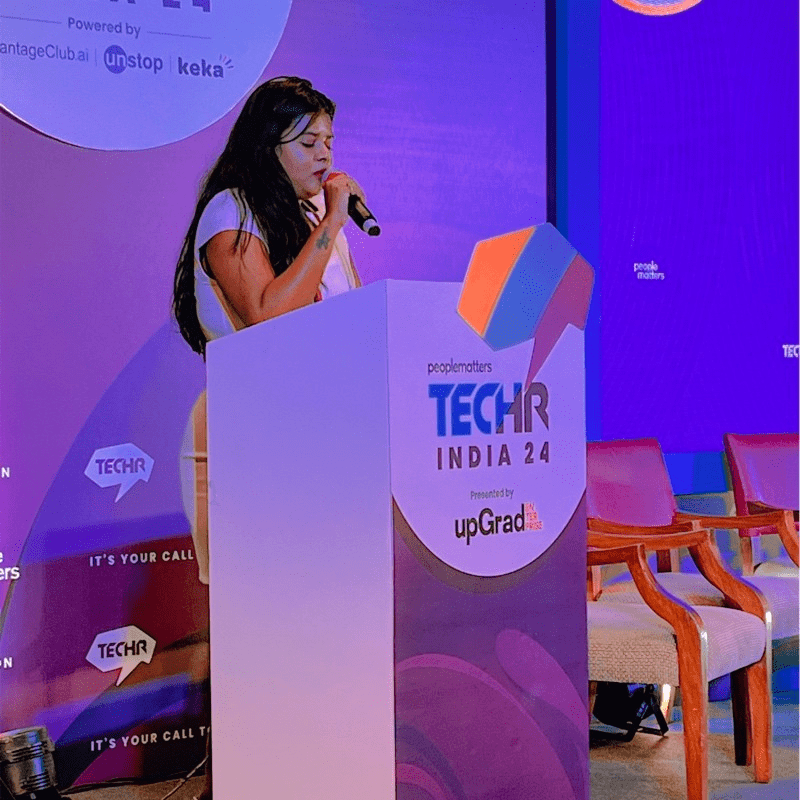





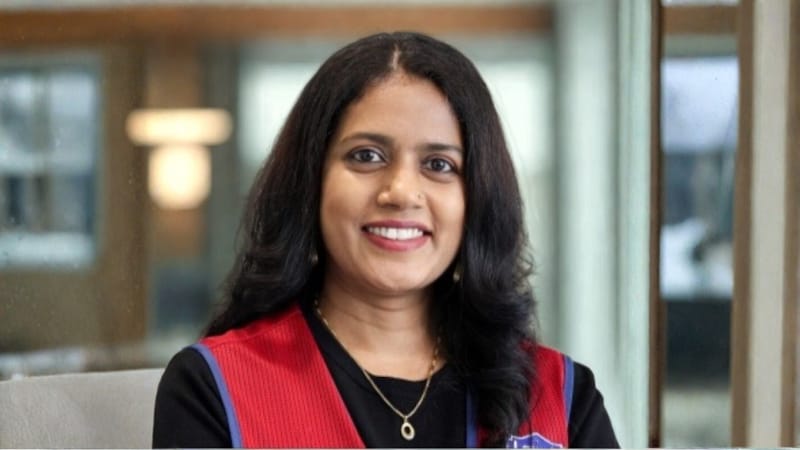
Lowe’s India VP–HR Vidya Munirathnam explains why AI, skills-first talent models and multigenerational workforces are rising to the top of CHRO agendas as 2026 approaches.
As organisations brace for the next phase of workforce transformation, HR leaders are shifting their focus from operational efficiency to long-term human capability.
Vidya Munirathnam, vice president – HR at Lowe’s India, said Global Capability Centres (GCCs) are entering a decisive moment where their value will be defined less by execution excellence and more by their ability to create opportunity and meaning at scale.
“Global Capability Centers have spent years earning their credibility through world-class execution. But the next chapter isn’t about perfecting operations, it’s about architecting opportunities,” Munirathnam said. “The conversation is expanding from how efficiently we can deliver to how meaningfully we can create.”
She said this transition is being accelerated by automation, which is rapidly absorbing routine work and reshaping the role of human effort. “In this new landscape, where automation accelerates the routine, HR becomes the strategist shaping what humans can achieve alongside it,” she said, adding that the people agenda will increasingly determine how organisations envision their future.
Looking ahead to 2026, Munirathnam identified three shifts that she believes will dominate CHRO priorities — each centred on strengthening human potential rather than replacing it.
The first is the emergence of an AI-infused people model, where artificial intelligence evolves from a support tool into an everyday collaborator. “By 2026, AI will be fully embedded as every professional’s co-pilot, moving to a truly smart digital teammate enhancing human capabilities and strategic output,” she said.
For HR teams, this changes where time and attention are spent. “For HR leaders and teams this means that AI will handle tedious reporting, data crunching, scheduling workflows, automate regular tasks, giving back the mental space, to pursue creative work requiring human intervention, such as formulating early intervention strategies to address burnout risk,” she said. As a result, “human energy” shifts towards “problem-solving, innovation, and building deeper connections that strengthen performance and culture”.
The second priority is a decisive move towards skills-first talent models, underpinned by psychological safety. Munirathnam said the pace of technological change is forcing organisations to rethink how they define capability and readiness. “By 2026, the talent landscape will shift firmly toward a skills-first mindset, driven by the pace of technology and the need for more agile teams,” she said.
In this environment, HR’s role expands beyond hiring into designing opportunity. “HR will evolve into an architect of opportunity shaping fluid experiences where employees can explore new functions, take on stretch assignments, or even lead innovation pods early in their journey,” she said.
However, she cautioned that skills-led organisations cannot succeed without trust. “As workplaces become these dynamic skill ecosystems, psychological safety will matter more than ever,” Munirathnam said. “HR will need to build cultures where people feel safe to speak up, try, fail, learn, and try again because that’s what fuels true growth in a skills-driven world.”
The third shift centres on managing a more complex multigenerational workforce, particularly within GCCs. “By 2026, GCCs will be powered by the strongest multigenerational mix with millennials driving leadership momentum, Gen Z reshaping norms with digital fluency and new expectations, and experienced talent providing stability and depth,” she said.
Munirathnam said HR leaders will need to reconcile differing expectations around purpose, growth and stability. “HR will need to bring these strengths together by creating flexible career paths, encouraging cross-generational mentorship, and building cultures where every age group feels valued and psychologically safe to contribute,” she said.
She added that organisations that succeed will be those that integrate energy with experience. “The real advantage for GCCs will come from aligning these different mindsets into cohesive, future-forward teams that blend energy with experience to fuel innovation and long-term resilience,” she said.
Ultimately, Munirathnam said the defining asset of the next phase will not be technology itself, but how organisations enable people to grow alongside it. “In 2026, unlocking human potential will be our biggest asset,” she said. “GCCs and organizations that understand this will be the ones to build and live the future.”
Topics
Author
Loading...