







Leadership
Why the CEO–CHRO partnership matters more than ever in crisis
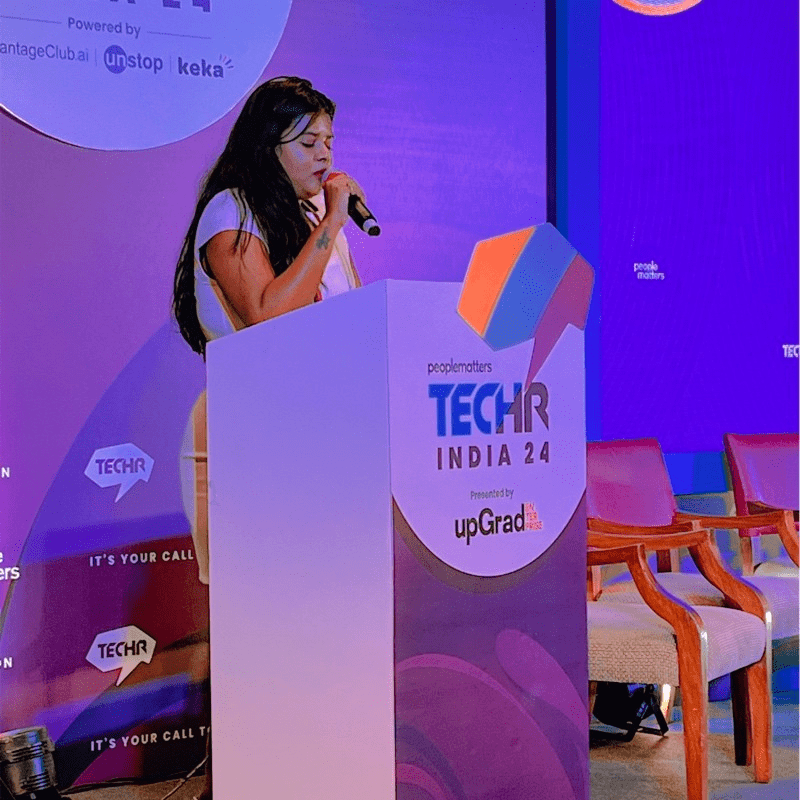






The crises of recent years have turned HR chiefs from back-office supporters into strategic partners. But sustaining the CEO–CHRO bond will demand new skills.
Few corporate relationships have changed as profoundly in the past five years as that between the CEO and the CHRO. What was once viewed as a largely transactional partnership has become central to questions of survival, resilience and growth.
“The CEO–CHRO relationship has changed into a strategic partnership influenced by crisis, change, and a new emphasis on people-first leadership,” said Abira Bhattacharjee, Chief Human Resources Officer at Embee Software. “CHROs are now co-leading transformation, culture and agility, no longer just supporting the business but creating the future of the business.”
That shift was not accidental. The pandemic made workforce safety, remote work and automation as critical to continuity as cash flow. As customer trust increasingly depends on how organisations treat their people, the CHRO has moved from the sidelines to the boardroom centre.
The tension in this partnership is obvious: CEOs are measured in quarters, while meaningful cultural change can take years. The risk is a constant misalignment of pace and expectations.
Bhattacharjee is pragmatic about how Embee bridges that gap. “We solve this conflict by aligning our people strategy to business results. Automation, for instance, improved speed of delivery and profitability while building capability for the longer-term.”
Transformation is broken into sprints that generate visible results quarter by quarter. Engagement and retention are tracked alongside margins and customer outcomes. The idea, she explained, is to make the invisible visible: “You see clear and incremental performance. That is what makes people transformation credible to the CEO.”
Speaking the CEO’s language
Where does HR gain traction with the C-suite? The answer, Bhattacharjee argued, lies in framing. “When we tied culture and talent strategies to delivery, cost and retention, HR became a strategic lever,” she said. “Abstract initiatives won’t matter. Predictive insights on attrition, performance and resilience will.”
In other words, culture stops being “soft” when linked directly to customer experience, delivery quality or margin protection. This is consistent with findings reported by the Harvard Business Review, which has argued that HR data framed in terms of risk and profitability drives far stronger executive buy-in than traditional engagement metrics.
Nowhere is alignment tested more than in moments of talent shortage. For companies in technology and services, attrition and reskilling pressures can derail growth plans overnight.
“At Embee, we view a business growth strategy and a people strategy as co-dependent, not competing,” Bhattacharjee said. Roles are rated not just by headcount but by their direct impact on revenue, margin and customer experience.
Hiring is not the only lever. Embee has redesigned onboarding, coaching and competency models, using workforce analytics to spot attrition trends and create internal mobility. The company’s “growth pods” combine reskilled staff with new hires, enabling faster response to demand shifts.
“Growth is about enabling a system that nurtures growth and talent together,” she said.
The CHRO of tomorrow
If this partnership is to endure, the CHRO’s role must keep evolving. Bhattacharjee sees five imperatives.
Business acumen: “CHROs must understand not just people, but the business — fluency in financials, market dynamics and growth levers.”
Digital and AI literacy: With AI already reshaping hiring and workforce planning, HR leaders must be at the forefront of adoption.
Boardroom presence: “Boards now expect CHROs to be visible, vocal and visionary,” she said.
Change leadership: The CHRO must guide culture shifts and organisational redesign, not merely respond to them.
Resilience and ethics: “CHROs must be the moral compass of the organisation, balancing profitability with empathy, performance with sustainability.”
For Bhattacharjee, the most powerful HR interventions are those that combine empathy with commercial sharpness. “The dual lens — business first, people always — is the CHRO’s future,” she said.
Analysts see the same trajectory across industries. PwC’s 2024 CEO Survey found that 80% of CEOs viewed their CHRO as critical to achieving long-term growth, second only to the CFO. The World Economic Forum has highlighted human capital risks as one of the top three threats to corporate resilience.
What this signals is that the CEO–CHRO partnership has moved beyond “support” into genuine co-leadership. The CHRO is now expected to help shape not just workforce policy but strategic choices about growth, resilience and reputation.
The road ahead
The challenges will only sharpen. Automation and AI will redefine work at pace. Younger workers will demand not just pay but purpose and flexibility. Investors will demand proof that ESG commitments include human capital as well as climate.
For Bhattacharjee, this means the CEO–CHRO bond must be continually renewed. “CHROs must bring strategic clarity, digital fluency and human-centred leadership to every conversation,” she said.
If the past five years have taught companies anything, it is that resilience is not just about balance sheets but about people. And that makes the CEO–CHRO equation one of the most consequential partnerships in business today.
Topics
Author
Loading...