







Life At Work
The battle for office attendance is reshaping workplace design
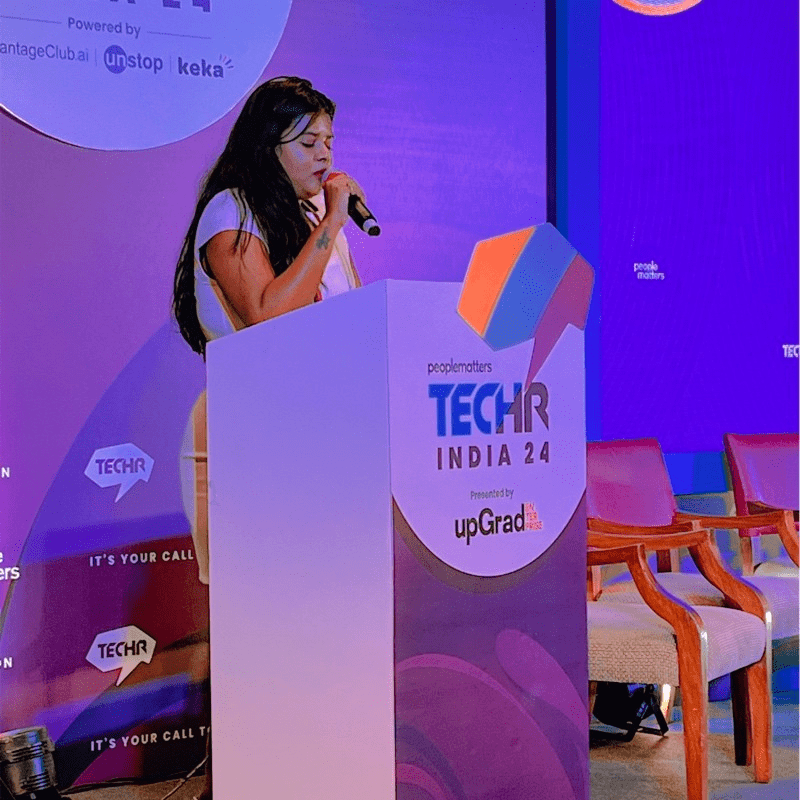





As hybrid work reshapes employee expectations, companies are redesigning offices around experience, collaboration and wellbeing, turning workplaces into destinations that employees choose to visit rather than spaces they are required to occupy.
The modern office is undergoing one of its most significant transformations in decades. As hybrid work becomes a permanent feature of corporate life, employers are rethinking the role of the workplace and redesigning offices to encourage employees to return for reasons beyond obligation.
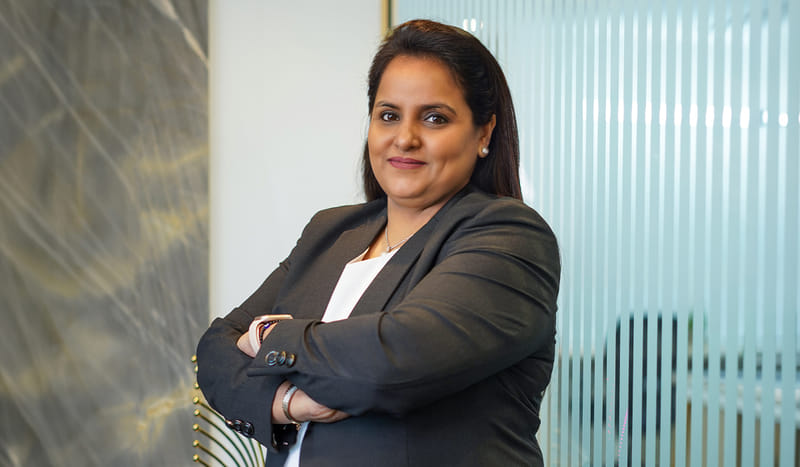
In an interview with People Matters, Shivani Adlakha Manchanda, Vice President Human Resources at Whiteland Corporation, said the shift is changing how organisations think about real estate, employee engagement and workplace strategy.
According to Manchanda, companies are increasingly moving away from designing offices solely around operational requirements and are instead focusing on creating environments that offer meaningful experiences for employees.
"Nowadays, organisations are no longer focused on just square footages, but in curating human experience," she said.
Why the office must justify the commute
The rise of hybrid work has fundamentally altered expectations around physical workplaces.
With employees able to complete many operational tasks remotely, organisations are being forced to redefine the purpose of the office. Manchanda believes this has accelerated a move towards experiential workplace design.
"The primary catalyst is the permanent rise of hybrid work. Because employees can do operational tasks, the physical office must earn their commute," she said.
As a result, offices are increasingly being designed as collaboration hubs rather than traditional desk-based environments.
Among the trends highlighted by Manchanda are:
- Neuro-inclusive workplace design catering to different cognitive needs
- Diverse acoustic environments to support varied work styles
- Biophilic elements that integrate nature into workplaces
- Collaborative spaces designed to encourage interaction and innovation
- Wellness-focused environments aimed at reducing burnout
"Ultimately, real estate is shifting from a static asset to a talent retention tool. We build for connection, not just capacity," she said.
Employee expectations are evolving beyond flexibility
The hybrid era has also raised employee expectations regarding comfort, workplace amenities and overall experience.
According to the leader, employers are increasingly viewing offices as strategic assets that support both employee wellbeing and organisational performance.
"The modern workplace is undergoing a radical evolution. We are experiencing a shift where offices are no longer just overhead costs, but strategic hubs engineered for cost optimisation, spatial efficiency, and high impact employee engagement," she said.
She noted that organisations are responding through a combination of flexible work arrangements, collaborative activities and curated workplace experiences.
Today's workplace expectations increasingly include:
- Natural light and ergonomic workstations
- Agile collaboration zones
- Wellness-focused facilities
- Cafés and social spaces
- Dedicated areas for relaxation and wellbeing
"The mandate is clear: to deliver amenity rich environments that appeal to a diverse workforce," she said.
Hospitality influences are entering workplace strategy
One of the most visible shifts in office design is the growing influence of hospitality.
Rather than creating purely functional workspaces, employers and developers are designing environments intended to welcome, engage and inspire employees.
"Just like premium hotel chains, developers and employers are co-creating experiential spaces designed to welcome, immerse, and inspire," Manchanda said.
She described today's workplaces as physical representations of organisational culture and credibility.
"The era of sterile cubicles is long gone," she added.
According to Manchanda, features such as wellness zones, breakout areas and biophilic design are increasingly being incorporated to support creativity, concentration and employee wellbeing.
Workplace design increasingly linked to business outcomes
The discussion around workplace design is no longer limited to aesthetics.
Manchanda said physical environments play a direct role in shaping organisational culture, collaboration and productivity.
"Physical workspace design is a powerful catalyst for organisational performance," she said.
She explained that workplace layouts can help break down hierarchies, build trust and encourage spontaneous interaction among employees.
The design elements she identified as supporting performance include:
- Interactive social zones that encourage collaboration
- Flexible workspace configurations
- Natural lighting
- Biophilic design features
- Data-driven environmental planning
According to Manchanda, these measures can help reduce cognitive fatigue while supporting engagement and innovation.
Balancing experience with efficiency
Despite growing investment in workplace experience, organisations continue to face pressure to manage costs, improve utilisation and maintain productivity.
Manchanda said companies are attempting to balance these competing priorities through hybrid work models and data-led workplace strategies.
"Companies balance experience led offices and business realities by adopting hybrid models," she said.
Among the approaches she identified are:
- Activity-based zoning
- Data-driven utilisation strategies
- Managed-space and cost-sharing models
- Employee-centric workplace policies
- Clear role-based workplace expectations
She said these measures help organisations preserve culture while maintaining operational efficiency.
Technology is becoming the invisible workplace infrastructure
Technology is playing a growing role in workplace management and design.
According to Manchanda, modern offices are increasingly functioning as intelligent environments powered by real-time data.
"Technology has become an invisible backbone of the modern experiential workplace," she said.
She highlighted the use of:
- IoT sensors
- Data analytics
- Smart office applications
- Desk-booking systems
- Climate customisation tools
- Touchless access technologies
- Unified communications platforms
These tools allow organisations to optimise workplace layouts while supporting hybrid teams and improving the employee experience.
"Technology has successfully transitioned the office from a static container into an intelligent, responsive ecosystem that elevates productivity and well being," she said.
What will bring employees back?
Looking ahead, Manchanda believes organisations that succeed in attracting employees back to offices will be those that provide clear and tangible value for being on-site.
"Employees will choose workplaces that treat in office time as valuable," she said.
She identified several factors that are likely to distinguish successful workplaces from those struggling with attendance and engagement:
- Better collaboration opportunities
- Career development and mentorship
- Learning and training access
- Cross-functional interactions
- Superior workplace tools and environments
- Flexible and transparent attendance policies
According to Manchanda, workplaces that rely solely on attendance requirements without delivering meaningful benefits risk continued disengagement.
"Offices that keep insisting on attendance without delivering those advantages will keep losing engagement and attendance," she said.
As hybrid work becomes embedded in corporate culture, the future office appears set to evolve from a place employees are expected to attend into a destination designed to offer experiences, opportunities and connections that cannot easily be replicated elsewhere.
Topics
Author
Loading...