







Organisational Culture
Breaking the silence: Tackling workplace stress and suicide risk in India



|
Updated on


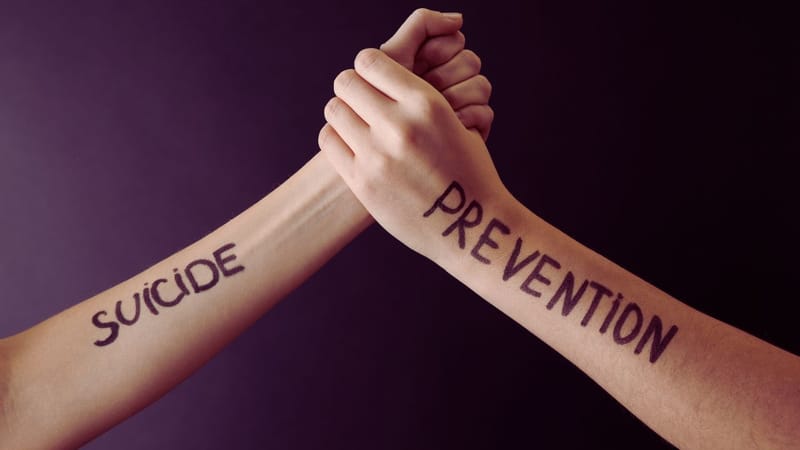
On World Suicide Prevention Day, experts warn that rising workplace stress in India fuels burnout, anxiety, and suicides—urgent action is needed.
On World Suicide Prevention Day, the spotlight turns to a growing crisis in India’s workplaces: the sharp rise in suicides among professionals. NCRB data paints a troubling picture — workplace stressors are taking an increasingly heavy toll on employees’ mental health. Experts say the issue goes beyond isolated cases; it reflects systemic challenges in how organisations manage wellbeing in high-pressure environments.
The silent burnout epidemic
Priya Sunil, CHRO at Plum, highlights how fragile the current landscape is: “Our research observes that only 14% of employees are thriving in India. The majority are stressed, angry, or on the verge of burnout.”
The numbers are sobering:
• 63% of employees experience anger every day — 10 points above the global average.
• 87% report moderate to high stress levels regularly.
• 55% report anxiety symptoms, while 36% have taken at least a day off this month for mental health reasons.
• Alarmingly, 20% of employees quit in the last year to prioritise their mental health.
Plum CHRO shares that different generations face different challenges. Young adults (20–29) struggle with anxiety and relationship issues while adjusting to entry-level job insecurity. Established professionals (30–39) face heightened burnout from rising responsibilities and work-life conflicts. Mid-career employees (40+) are increasingly battling depression, sleep disorders, and leadership stress.
Priya further adds that mental health concerns also manifest differently across genders. “Women are more proactive in seeking help, while men delay consultations until symptoms are more severe — and drop out of care at higher rates. Social expectations of stoicism and self-reliance often deter men from acknowledging vulnerability.”
Workplace stressors in focus
Sanchit Malik, Co-founder and CEO of Pazcare, underlines the scale of the issue: “The rise in suicides reflects how fragile the modern workplace has become. The biggest stressors we see are constant connectivity, long hours, and financial insecurity—all of which create a chronic ‘always on’ pressure.”
Pazcare’s data shows that stress is increasingly linked not only to mental health claims but also to lifestyle diseases such as diabetes and hypertension. Malik explains, “Chronic stress pushes employees into unhealthy sleep, diet, and activity patterns, creating a vicious cycle where poor lifestyle and mental strain reinforce one another. Left unchecked, these stressors can escalate into severe crises.”
Why EAPs and wellness programs alone aren’t enough
Despite the widespread availability of Employee Assistance Programs (EAPs) and wellness initiatives, stigma remains a stubborn barrier. Srinivasan notes: “Many employees worry that using these services might affect how they’re seen, their credibility, or even their growth in the company. Leaders need to actively signal that seeking help is not a weakness — mental health must be treated no differently from physical health.”
Malik echoes the sentiment: “Too often, EAPs are introduced as background benefits and employees don’t feel safe using them. We’ve seen adoption rise significantly when leaders openly share their own struggles with stress or burnout, or when companies introduce mental health days. Normalisation happens when mental health is spoken about as openly as physical health.”
The way forward: Building psychologically safe workplaces
Both Priya and Malik agree that systemic change is required across policy, culture, and structure.
Policy: Clear protections against discrimination on mental health, and flexible practices like mental health days or hybrid options.
Culture: Normalising conversations so that employees feel safe sharing struggles without fear of judgment.
Structure: Embedding mental health into daily workflows — through team check-ins, manager training, and peer support networks.
Priya sums it up: “We have one generation that has normalised burnout as a badge of resilience, and another that is more vocal but sometimes less resilient. Workplaces need to meet people where they are — and build systems that support both.”
World Suicide Prevention Day is a reminder that suicide is preventable, but only if organisations, leaders, and colleagues act together to reduce stigma and create spaces where people feel supported before they reach a crisis. The cost of silence is simply too high.
Topics
Author

Loading...