







Organisational Culture
Culture as a compass: Navigating the future of talent with purpose and precision


 ||
||Updated on


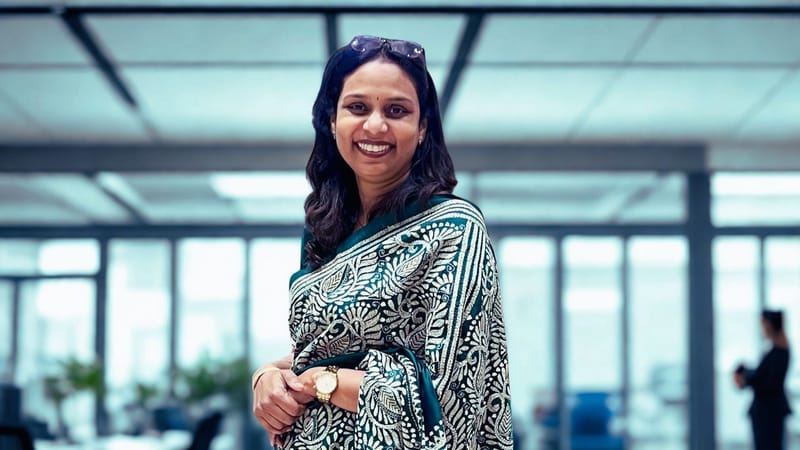
When culture and capability align, people thrive. Monal Srivastava outlines how DP World is enabling that alignment at scale.
Like a well-calibrated compass guiding a ship through unpredictable waters, an organisation’s culture can either steady its course or leave it adrift. Culture shapes the rhythm of an organisation - how it makes decisions, how it builds trust, and how it responds to change. It influences everyday experiences, from how teams are structured to how growth is enabled across roles. In industries defined by scale and complexity, a clear and consistent culture creates the alignment needed to move forward with focus.
In an exclusive conversation with Monal Srivastava, Vice President, People-SCO at DP World, we unpack how her people philosophy has been shaped by moments of change and why transparency, inclusion, and consistency continue to anchor her work. At DP World, this translates into career paths built on mobility and learning, leadership grounded in listening, and systems that enable people to lead with purpose at every level.
Over the years, I’ve learned that people aren't just part of the process; they are the process. Whether it's leading to change, navigating disruption, or driving growth, the one constant has been the power of people to either accelerate or stall progress. Early in my career, I realised that openness, transparency, and timely communication are not just good leadership traits, they’re essential to building trust.
In an exclusive conversation with Monal Srivastava, Vice President, People-SCO at DP World, we unpack how her people philosophy has been shaped by moments of change and why transparency, inclusion, and consistency continue to anchor her work. At DP World, this translates into career paths built on mobility and learning, leadership grounded in listening, and systems that enable people to lead with purpose at every level.
Let’s begin with your journey, Monal. You’ve held transformative roles across your career, so what have been some key experiences that shaped your philosophy around people and culture?
Over the years, I’ve learned that people aren't just part of the process; they are the process. Whether it's leading to change, navigating disruption, or driving growth, the one constant has been the power of people to either accelerate or stall progress. Early in my career, I realised that openness, transparency, and timely communication are not just good leadership traits, they’re essential to building trust.
Every major transformation I’ve been part of has reaffirmed one thing: when people feel informed, heard, included, and valued, they bring their best selves to work. That’s the philosophy that continues to guide DP World’s culture – less as a top-down construct, and more as a lived experience shaped by the collective.
Given a complex and rapidly evolving sector like logistics, where agility and resilience are non-negotiable, how do you approach talent as a competitive advantage?
In an industry as dynamic and disruption-prone as logistics, talent isn’t just part of the engine – it’s the fuel. With the global market for supply chain management projected to exceed $37 billion by 2027, the ability to attract, develop, and retain future-fit talent is fast becoming the ultimate differentiator.
At DP World, we view human capital as a core strategic asset. Our approach is not just to fill roles, but to shape capability. That means building agility into the DNA of our workforce through cross-sector exposure, structured internal mobility, and continuous skill development. Each employee is part of one big, amazing team of 115000+ people, where everyone is welcome and contributing to something bigger. Whether it’s operations, commercial, safety or various business functions, we provide plenty of room to grow by offering opportunities across different sectors and countries. A career with DP World goes beyond just doing a job—it positions individuals as a vital link in the global supply chain that drives trade and connectivity. We design career journeys that are both aspirational and accountable, aligning personal growth with meaningful impact.
But more than skillsets, we invest in mindsets.
We approach talent as a competitive advantage by investing in professional competencies through our Employee Development Philosophy. It is built on three key pillars: development through promotions, career mobility, and upskilling. This ensures our workforce remains resilient, skilled, and motivated, enabling both individual and organisational growth.
We understand that talent thrives when their work is recognised and supported by benefits that help them succeed both within and beyond the workplace. So, we actively work to create a workplace where people feel they belong, with high engagement, where ideas are welcomed, and purpose drives performance.
As India cements its role as a global trade hub, we are preparing our people to be experts in their field, driving innovation, and shaping the future of trade.
With technology transforming every node of the supply chain, how are you equipping your workforce, both operational and managerial, to stay ahead of the curve? What does “future-ready talent” look like in your organisation’s context?
At DP World, we’re embedding technology into the daily rhythm of operations. From providing hands-on experience to cutting-edge technology, we invest inthe training and development of employees at all levels. Through initiatives like our global Tech4Women programme, we provide hands-on, on-the-job training that enables women to effectively leverage technology, enhancing their productivity and impact. Additionally, our Skill-Up initiative offers specialised sessions and webinars focused on key professional development areas, helping women continually upskill and advance their careers. These efforts are driving tangible change by ensuring equal access to growth opportunities, enhancing performance, and fostering an environment where all employees can thrive and contribute at their fullest potential.
For our leadership teams, we have curated capability-building journeys that emphasise systems thinking, digital leadership, and resilience. Cross-functional mobility, global exposure, and mentoring ensure our leaders are equipped to handle complexity with clarity.
We at DP World have actively worked to challenge this by advocating for processes and policies that enable women to excel, showcasing success stories, and driving initiatives that create pathways for inclusive development. We have successfully hired, trained and onboarded women crane operators and fuellers at our terminals, and we also have warehouses in Surat and Jaipur managed by all-women staff during the day shift. We at DP World believe that talent and capability are not defined by gender but by opportunity and support.
You’ve often spoken about the importance of building human-centred organisations. What are some intentional steps you’ve taken at your organisation to embed inclusion, belonging, and teamwork into day-to-day operations, particularly across such a diverse and geographically spread workforce?
Inclusion at DP World is not a program; it’s our way of working. Across our DP World network, we’ve embedded practices that translate intent into action and values into behaviours.
Initiatives like Women on Board, MentorHer, and UDAAN focus on equitable growth and access. Whether it's bringing women into frontline and entry-level roles or hiring veterans and individuals from unconventional career paths, our hiring strategy actively champions diversity.
Day to day, we’ve built inclusive micro-moments into our routines with recognition platforms, community celebrations, listening circles, and frontline storytelling. We measure what matters, with pulse surveys and engagement tools guiding our actions in real time.
Ultimately, our goal is simple: to make every person feel seen, heard, and valued. That’s the real foundation of a human-centred organisation.
Culture is often tested during times of transformation. How do you ensure that the people culture evolves with the business, without losing its core?
At DP World, we believe that culture is not static—it must evolve in tandem with the business while staying rooted in its core values. We ensure this by consistently listening to our employees and translating their feedback into meaningful action. This approach has helped us build one of the most inclusive, engaging, and future-ready workplaces in the country.
Our people-first philosophy is reflected in initiatives that prioritise well-being, foster a sense of belonging, and promote continuous learning and innovation. Programs like EMERGE are designed to prepare high-potential individuals for future leadership roles by enhancing their skills, expanding their networks, and equipping them for head-of-function responsibilities.
Finally, what advice would you offer to HR and business leaders looking to move beyond transactional people processes and instead, position talent and culture as long-term value creators?
The first step is to stop viewing people practices as support functions and start seeing them as business-critical levers. Talent and culture aren't side conversations; they shape outcomes just as much as strategy or capital does. If we want to move beyond transactional processes, we must reframe how we define value. It’s not just about efficiency metrics; it’s about creating environments where people thrive, take ownership, and contribute meaningfully to business goals.
My advice to HR and business leaders is simple yet power-packed: lead with purpose and build systems that reflect it. Culture isn't a campaign; it’s every decision, every behaviour, every interaction that happens in the organisation. When it’s treated as a business asset, you start designing experiences that are human-first but outcome-driven. That’s when people stop functioning out of obligation and start operating from a place of belief.
Also, don’t underestimate the power of listening. As someone who has led through complex transformations, I’ve seen firsthand that lasting cultural change doesn’t happen through mandates; it happens through trust. The more you engage with empathy, the more aligned and resilient your organisation becomes.
Lastly, be patient. Culture and talent development are long games. It takes time, consistency, and courage to challenge outdated norms. But when done right, the return is immense, not just in performance, but in pride, belonging, and long-term business sustainability.
Topics
Author
Loading...