







Organisational Culture
OpenAI and Starlink in India: Who will shape the future workplace culture?






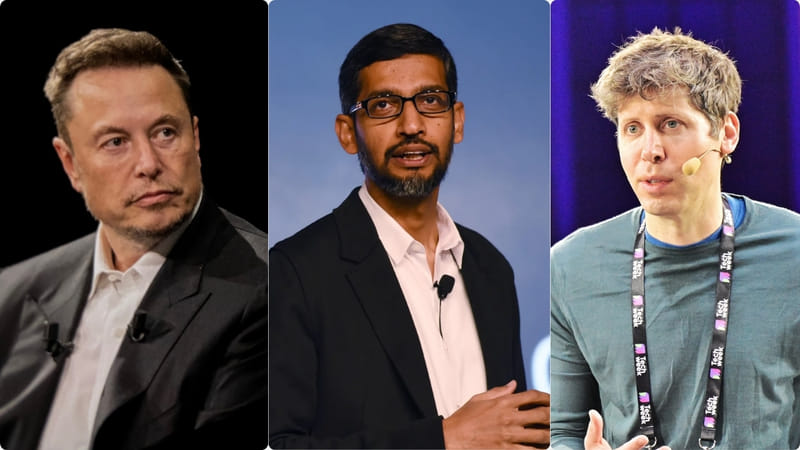
As OpenAI and Starlink enter India, can they rival Google’s cultural appeal and redefine what top tech talent seeks in modern workplaces?
Google’s stylish campuses in cities such as Bengaluru and Gurugram—with their innovative design, playground-like lounges, and collaborative ethos—have long symbolised the allure of “cool” workplaces for tech professionals. But as OpenAI and Starlink prepare to stake their claims in India, a critical question emerges: whose vision of workplace culture will lead the next era?
Earlier this year, Google set the bar high, reinforcing its office-first approach with performance-linked attendance policies—making its prestigious, amenity-rich campuses both a draw and a standard. However, OpenAI is now entering the fray with a different brand of workplace appeal.
In August, Reuters reported that OpenAI will open its first office in New Delhi later this year, backed by legal establishment in India and active local hiring. CEO Sam Altman described this as a milestone in building “AI for India, and with India” in a move that elevates both presence and purpose in the country’s innovation ecosystem.
OpenAI’s India strategy is more than physical; it’s cultural. The company has launched ChatGPT Go at an accessible ₹399 per month, which Reuters and others cite as an effort to democratise AI in a large, cost-sensitive market. Additionally, OpenAI’s commitment to initiatives like AI literacy programmes and localised product features positions it as a mission-driven employer—one where top talent might be inspired by influence on policy, society, and technology infrastructure.
Starlink, by contrast, offers a very different appeal. According to Reuters, Elon Musk’s Starlink recently secured approval to enter India’s satellite broadband space. With partnerships signed with telecom giants like Airtel and Jio, Starlink stands on the brink of transforming connectivity delivery—promising to serve remote and underserved regions at competitive price points and with innovative technology.
For those motivated by tangible, large-scale impact—especially in infrastructure and digital equity—Starlink’s culture may resonate more deeply than cafeteria perks ever could.
From a leadership and talent mindset perspective, what truly matters is culture that blends autonomy, vision, and meaningful work. Google offers polished environment and brand prestige, while OpenAI brings mission, innovation, and societal relevance. Starlink offers infrastructure challenge and frontier-scale reach.
Importantly, India’s tech ecosystem provides the wider stage. OpenAI’s entry coincides with government collaborations, skilling initiatives, and policy engagement—actions signalling a deep commitment to the country’s AI leadership.
Starlink’s model similarly aligns with national connectivity priorities, as well as the ambitions of India’s digital expansion. These alignments suggest that both companies come not just to operate in India, but to help shape its technological culture.
For leaders building teams in India, the question is no longer about which campus has the best facilities, but which company offers the clearest scaffold for personal and societal progress.
Will Google continue leading with its legacy and design? Or will OpenAI’s AI-first cultural ethos, combined with policy relevance, or Starlink’s infrastructural promise, claim the attention of the country’s most ambitious engineers?
India’s workplace culture future may not be won by beanbags or game zones. Rather, it will be defined by which organisation speaks to the aspirations of tech talent yearning for innovation, impact, and purpose.
Topics
Author
Loading...