







Organisational Culture
What does freedom mean at work today?





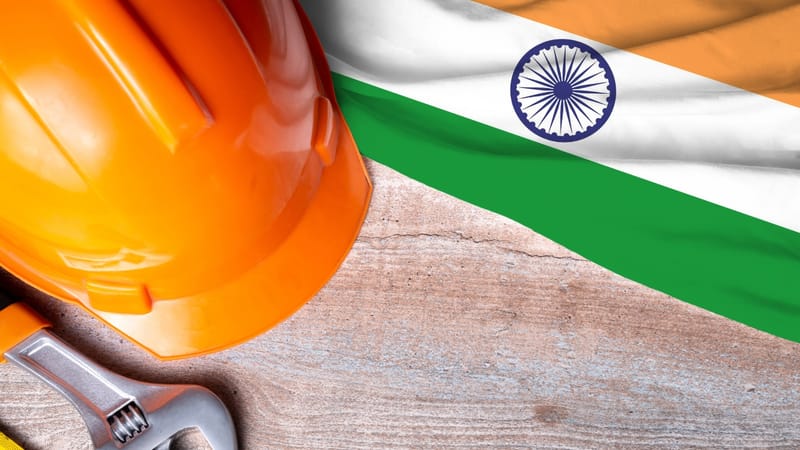
As India celebrates freedom, leaders must ask: Are we designing freedom at work—or just making flexibility look like trust?
As India marks another Independence Day, the idea of freedom is top of mind—across speeches, ceremonies, and patriotic reflections. But inside boardrooms and leadership war rooms, a quieter, more urgent question is surfacing:
What does freedom really mean at work today—and who’s responsible for it?
A few years ago, it might have meant flexible hours or the right to work from home. But in today’s complex workplace, freedom is no longer a perk—it’s a pressure test. A barometer of how well leaders design for trust, autonomy, and ownership.
The true measure of freedom at work isn’t where your people sit—it’s whether they feel safe to speak up, take risks, make decisions, and find purpose without being micromanaged.
If you're leading in 2025, ask yourself: Does your culture enable freedom, or does it merely tolerate it?
Flexibility ≠ Freedom
Let’s clear this up: hybrid policies and relaxed dress codes are not the gold standard of workplace freedom. They’re just the entry point.
Real freedom shows up in:
Decision-making rights – who actually gets to say yes or no?
Psychological safety – who can challenge ideas without being labelled difficult?
Permission to fail – who’s allowed to try, stumble, and still be trusted?
Take Infosys’s “Live Enterprise” framework. Rather than just enabling remote work, they’ve focused on decentralising decision-making and fostering continuous learning loops. “We’ve decentralised trust,” said Richard Lobo, EVP and Head of HR at Infosys.
Trust is the Real KPI
Josh Bersin put it bluntly: “Freedom is the new currency of trust.”
And the numbers agree. According to Deloitte India’s 2024 Millennial Survey, 72% of professionals under 35 say they’d value autonomy over a pay raise. The post-pandemic workforce isn’t demanding bean bags—they’re demanding belief.
That belief translates into action when leaders move from oversight to ownership—shaping jobs around problem-solving, not just checklists.
Voice, Not Just Feedback
Workplace freedom also means having a voice—and seeing it make a difference.
Unilever’s People Data Centre tracks real-time employee sentiment to adapt leadership behaviour and inform decisions. SAP, on the other hand, has formalised “listening organisations” where anonymous nudges help correct managerial blind spots early.
This isn’t soft-skill indulgence. It’s operational intelligence.
Compare that to Edelman’s 2022 Trust Barometer, which found that only 37% of Indian employees felt safe expressing dissent.
Purpose Is the Freedom People Want
Freedom at work isn’t just about being left alone—it’s about being part of something that matters.
LinkedIn India’s 2023 Talent Trends Report shows that “mission alignment” ranks among the top reasons professionals under 30 switch jobs. Employees aren’t trying to escape control. They’re trying to find connection.
Simon Sinek, in his 2024 TED Talk, framed it this way: “People don’t want a boss. They want a reason.”
Structured Autonomy: How It’s Actually Done
True freedom at work is never unstructured. It’s intentional.
At Zoho, teams operate with massive autonomy—but with surgical clarity on goals. “Freedom without clarity is chaos,” said CEO Sridhar Vembu.
Wipro has overhauled performance models to move beyond the outdated bell curve, shifting toward role-based coaching and clarity. This is not a lowering of standards. It’s a raising of relevance.
Who’s Left Out of Freedom?
Every organisation has a freedom gap.
Gig workers, frontline employees, and hybrid-working women are often excluded from real workplace autonomy.
NITI Aayog’s 2022 Gig Economy Report found that 70% of India’s gig workers lacked decision rights or recourse against unfair practices. Meanwhile, a 2023 IndiaSpend report showed that women working remotely were more likely to be over-monitored and under-promoted.
The Freedom to Lead Differently
Leadership in this new era isn’t about commanding clarity—it’s about creating space for it.
It’s about:
Making vulnerability visible
Modelling consistency between values and action
Replacing control with clarity
Satya Nadella captured it perfectly at WEF 2024: “The leader of tomorrow isn’t the loudest voice. It’s the one who creates space for others to speak.”
So, as we celebrate 78 years of India’s freedom, ask yourself— Are you designing it at work, or just demanding loyalty without trust?
Topics
Author
Loading...