







Organisational Culture
Why 2025 broke the manager role — and what it means for leadership ahead
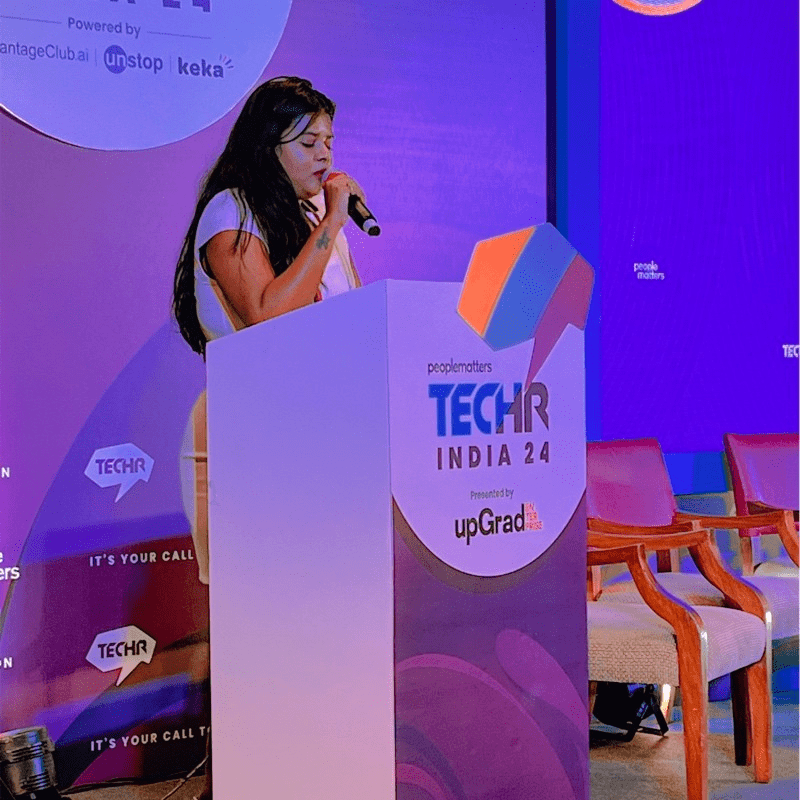






A year of simultaneous shocks—AI, hybrid work, talent shortages and rising expectations—made 2025 the toughest test modern managers have faced.
People managers entered 2025 expecting evolution. What they encountered instead was a perfect storm. Hybrid work kept shifting, AI accelerated faster than workplaces could adapt, and talent proved harder to retain. Wellbeing rose to the top of corporate priorities just as managers themselves were burning out. Leaders spent the year navigating change, culture and technology all at once—often without the systems or support they needed.
This was not a crisis of competence. It was a crisis of volume.
For organisations such as The LaLiT Suri Hospitality Group, 2025 forced managers into constant recalibration. “People managers found themselves balancing rapid organisational shifts with evolving team expectations,” said Poonam Tyagi, General Manager – Corporate Human Resources at The LaLiT. Talent shortages, rising aspirations and the need for continuous upskilling intensified pressure. Managers had to keep teams motivated despite uncertainty, “while also nurturing growth, protecting wellbeing, and sustaining productivity”.
Industry research echoed the chaos. The Wall Street Journal reported widespread churn in mid-level roles as hybrid routines hardened and workload spikes intensified. According to PwC, AI adoption surged across enterprises, but everyday usage lagged, leaving teams confused and managers improvising through transition.
The expanding role—mentor, counsellor, technologist
Managers did far more than supervise. “They became mentors, skill-builders, culture carriers and the first line of emotional support,” Tyagi said. They coached diverse teams, supported women and marginalised groups entering new roles, and navigated talent crunches by building internal pipelines. They adopted learning apps, facilitated experience-sharing sessions and absorbed the emotional load of stretched teams.
Alma Chopra, motivational speaker, disability rights activist and life coach, described the shift in blunt terms: “Managers weren’t just leading teams. They were navigating change, uncertainty, culture and technology all at once.”
Hybrid structures created new complexity. Managers had to “design, communicate and enforce new working models” that blended remote, onsite and asynchronous work. Research widely reported that hybrid teams face steeper challenges on scheduling, cohesion and productivity—issues managers were now expected to solve in real time.
Where managers struggled most
The emotional labour of leadership peaked. Sustaining morale amid continual uncertainty was the most difficult task, Tyagi said. Workloads were redistributed constantly. Managers had to reassure employees while balancing performance expectations with wellbeing.
Chopra saw the same tensions. Recognition and feedback remained inconsistent. Gallup research showed a gap between managers’ belief that they offered regular feedback and employees’ experience that they rarely received it. Remote work deepened disconnection. “Creating team cohesion, trust and belonging when people are dispersed remains difficult,” she said.
Change fatigue set in. Teams were overwhelmed by switching tools, systems and expectations. Managers often drove transformation “before the organisation fully supported it”, Chopra noted.
AI: smoother workflows, heavier leadership
AI and automation reshaped roles across industries. Operational tasks—reporting, forecasting, CRM—became more efficient at The LaLiT. But the burden shifted rather than disappeared. “Managers had to learn quickly and guide teams through unfamiliar systems,” Tyagi said. Coaching team members through digital anxiety became routine.
Chopra observed the same dynamic at scale. Managers became “adopters and change agents”, championing tools, interpreting data and managing resistance. Although many organisations introduced AI, PwC reported that only a minority of employees used it daily, pushing managers to bridge capability gaps.
They also became human-in-the-loop supervisors, overseeing fairness and accuracy in AI-enabled decision-making. Research published on arXiv underscored the rising importance of human oversight as generative AI systems were deployed. The Economist reported similar trends: the more automated workflows became, the more human leadership mattered.
Empathy dominated the management skill-set in 2025. Transparency, communication and emotional intelligence were indispensable as uncertainty persisted. Coaching and talent development grew central, especially in organisations investing in women, new hires and marginalised communities.
Chopra pointed to several non-negotiables: emotional intelligence, tech literacy, outcome-focused leadership, psychological safety, coaching and ethical awareness in technology use. The shift away from visibility-based supervision towards trust and results demanded a break from old managerial culture.
When expectations rose faster than support
Support systems failed to keep pace. Although The LaLiT strengthened its coaching platforms, communication forums and DEI communities, Tyagi noted that “industry-wide, the pace of change often moved faster than the support systems”. Many managers lacked structured capability-building or clarity as responsibilities expanded.
Chopra identified deeper organisational gaps: insufficient training, unclear policies for hybrid work, limited wellbeing support for managers themselves, siloed technology stacks and outdated expectations that treated managers as unchanged from their pre-2025 counterparts.
The result was predictable: managers shoulder broadened duties without time or resources to execute them.
What needs to happen in 2026
Both leaders agreed that the next phase requires strengthening the manager from the inside out.
Tyagi called for “a robust internal talent pipeline”, continuous mentoring, structured capability development and leadership pathways—especially for under-represented groups. Digital readiness must be prioritised so tools reduce workload rather than add complexity. Recognition, transparent communication and resource groups will be essential. Above all, managers need psychological safety and manageable workloads.
Chopra argued for manager-centric upskilling across AI literacy, hybrid leadership, coaching, change management and psychological safety. The Financial Times recently noted that leadership development budgets are rising globally as companies recognise that modern management is less about oversight and more about resilience.
If 2025 exposed the fragility of the manager role, 2026 must be the year organisations rebuild it—deliberately and sustainably. The future of work will depend less on new tools and more on the leaders trusted to guide people through them.
Topics
Author
Loading...