







Recruiting & Onboarding
'The gap is between knowing and doing': Rahul Maitra on why graduates struggle at work
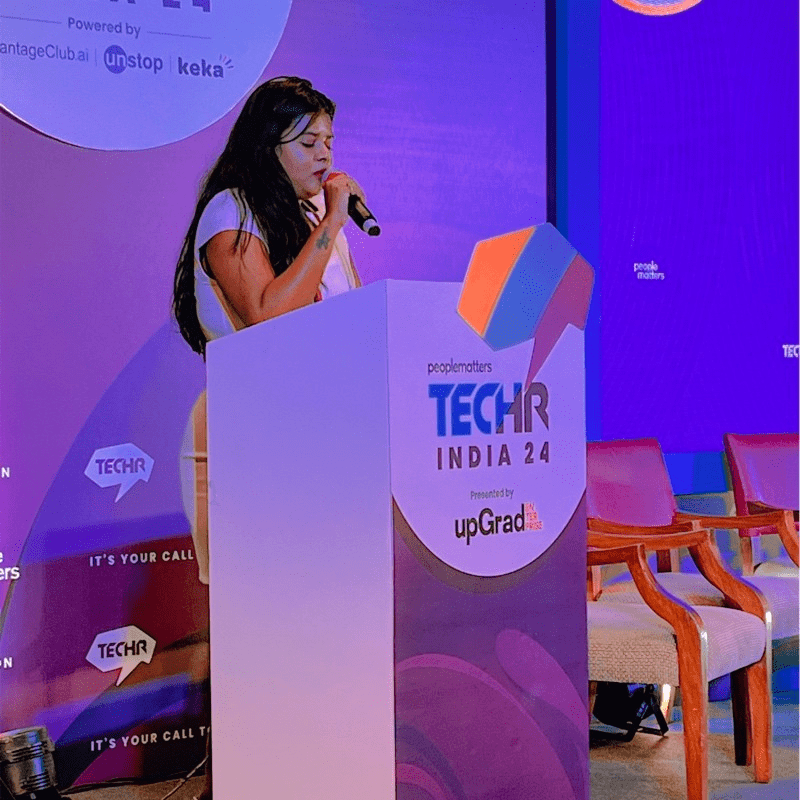





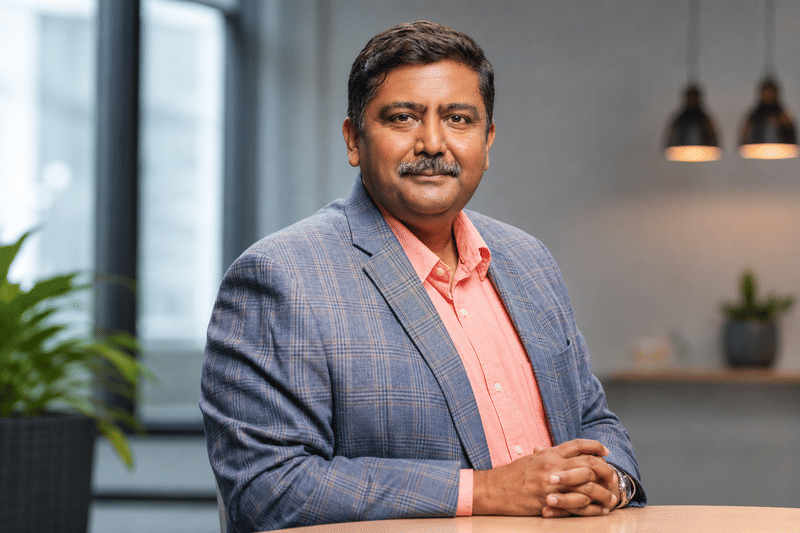
Rahul Maitra, Senior Vice President, Human Resources at Amneal Pharmaceuticals, says employability is no longer about earning a degree alone. Success depends on translating knowledge into skills, embracing continuous learning and building stronger partnerships between academia and industry.
India produces one of the world's largest pools of graduates every year. Yet employers continue to ask the same question: why do so many candidates still struggle to hit the ground running?
For Rahul Maitra, Senior Vice President, Human Resources at Amneal Pharmaceuticals, the answer is surprisingly simple. The challenge is not a shortage of educated talent. It is the widening gap between learning a subject and applying it in the workplace.
In an exclusive interaction with People Matters, Maitra explains why employers are redefining entry-level talent, how AI is reshaping hiring expectations, and why preparing students for the future of work requires collaboration far beyond the classroom.
Knowledge opens the door. Skills build careers.
Maitra believes India's graduate talent pool remains one of the country's greatest advantages. The opportunity now is to make education more closely reflect the realities of modern work.
"The disconnect is in the difference of knowledge vs skill. It s a gap between I know the subject but don’t know how to do it."
He believes stronger alignment between academic learning and industry requirements can help close this divide.
"India’s graduate talent pool is one of its greatest strengths and the opportunity today lies in creating stronger alignment between education and evolving industry needs."
Practical exposure, he says, matters as much as theoretical knowledge.
"One of the key areas for improvement is bridging the gap between theoretical learning and practical application, so students can translate knowledge into real-world problem-solving."
Employers are also placing greater value on capabilities that rarely appear in textbooks.
"There is also growing importance of workplace readiness skills such as collaboration, communication and comfort with ambiguity, which are becoming increasingly essential across industries."
To make graduates more employable, Maitra points to stronger collaboration between academia and employers.
"Collaboration on supportive courses, simulation programs and structured internships specific to industry needs could prove as an enabler for making students/freshers job-ready."
AI is rewriting the graduate hiring playbook
The expectations organisations have of fresh graduates have changed significantly over the past few years, driven largely by technological disruption.
"AI and automation have forced organisations to become fast-paced and competitive to stay ahead of the curve."
As a result, employers are looking beyond academic performance.
"Hence, over the past years, employer expectations have shifted significantly from academic excellence alone to a stronger focus on adaptability, learning agility and problem-solving."
Maitra acknowledges educational institutions are evolving, although the pace of change must continue.
"Encouragingly, many institutions are adapting through stronger industry partnerships, updated curricula and experiential learning models, though this is an ongoing journey while ensuring students/freshers gain practical knowledge about future profiles."
The skills employers increasingly expect
Technical expertise remains important, but Maitra says it is no longer enough on its own.
Instead, organisations increasingly seek graduates who can analyse problems, communicate clearly and adapt to rapidly changing environments.
Among the capabilities he highlights are:
- Structured problem-solving and critical thinking
- Strong business communication
- Collaboration across teams
- Digital fluency, including comfort with data and AI-enabled tools
- Resilience, curiosity and openness to continuous learning
As he puts it: "Structured problem-solving and critical thinking are increasingly valuable, particularly in fast-changing business environments."
He adds: "Digital fluency, including comfort with data and AI-enabled tools, is now a key expectation across job profiles."
For Maitra, these mindsets often distinguish graduates who develop into high-performing professionals early in their careers.
Employability cannot rest with one stakeholder
While conversations about employability often focus on colleges or employers, Maitra believes responsibility must be shared much more broadly.
"Employability is best viewed as a shared responsibility, where each stakeholder plays a critical role."
He sees educational institutions, employers and students as equal partners. "Educational institutions build the foundation, employers provide industry context and application and students bring ownership of their own growth journey."
Yet he believes another stakeholder deserves greater attention.
"You also need to include the fourth and most important dimension of University | Board and Curriculum. These academic bodies need to share the need and accountability of making Industry ready programs."
Organisations have a bigger role beyond campus hiring
For employers, recruitment should not be the first interaction with educational institutions.
Maitra encourages organisations to build deeper engagement throughout the academic journey. According to him, organisations can contribute through:
- Guest lectures
- Mentorship programmes
- Live business projects
- Structured internships
- Sharing insights into emerging roles and future skill requirements
He believes these initiatives help institutions stay connected to changing workplace realities while giving students meaningful industry exposure before graduation.
Degrees remain relevant, but they are only the beginning
Maitra does not see traditional degrees becoming obsolete. Instead, he believes they need to be complemented by lifelong learning.
"Traditional degrees continue to provide an important foundation, particularly in building domain knowledge and discipline."
Career growth, however, increasingly depends on adaptability.
"What is changing is the need to complement that foundation with continuous learning, certifications and hands-on experience."
He adds: "Career success today is increasingly shaped by the ability to keep learning and adapting over time, rather than relying on a one-time qualification."
Looking ahead, he expects education itself to become more specialised.
"The future programs will be blended with customised role requirements, they will not be generic in creating Graduates or Post Graduates. These would sharp skill focused learning leading to employment."
Rethinking India's education model
Asked what changes he would most like to see, Maitra returns to one central theme: closer collaboration between industry and academia.
His priorities include:
- Greater integration of internships and live projects into mainstream education
- Assessment models that value application, innovation and critical thinking
- Industry participation in curriculum design
- Continuous dialogue between educational institutions and employers
He believes allowing industry to contribute directly to curriculum development can create programmes with clearer employment outcomes.
As organisations continue to redefine work through AI, automation and new business models, Maitra's message is straightforward. Producing graduates is no longer the challenge. Producing graduates who can confidently apply what they know is where the real opportunity lies.
Topics
Author
Loading...