







Sports Books Movies
Book Review: Zero to One by Peter Thiel





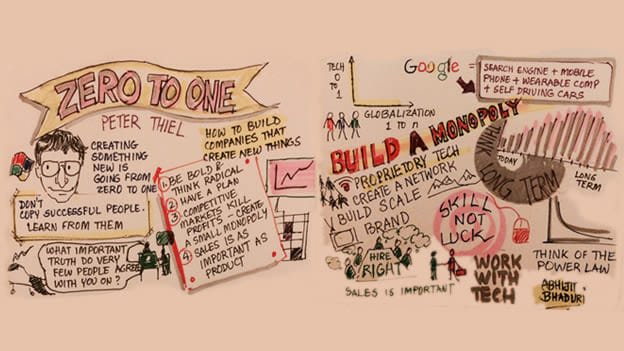
The book will become a handbook for entrepreneurs who will ask whether their idea really is going to be a “Zero to One”
When you get inspired by Bill Gates and build another five companies like Microsoft then you go from 1 to n. But when you create something unique that did not exist before, you are going from zero to one. This book is all about inspiring you to think about grand ideas and not for those who are looking to merely tinker. Unsolved problems are hotbeds of opportunity. Conventional education leads to conventional choices. So his Thiel Fellowship program funds smart people who are under 20, to forgo their college education and start their own companies.
Peter Thiel is a billionaire entrepreneur (he started Paypal in 1998 as a way to create an alternative to the dollar), turned venture capitalist turned author taught a class on entrepreneurship at Stanford. He was the first outside investor in Facebook. He studied philosophy at Stanford University before going on to Stanford Law School, and working in a law firm in New York and then as a derivatives trader on Wall Street.
The book starts by asking Thiel’s favorite interview question, “What important truth do very few people agree with you on?” This book is about asking you to think, “What valuable company is no one building?” If the company you are thinking of will show diminishing rate of return, your idea is not original enough. An original idea (like LinkedIn, says Thiel) will give progressively higher rate of returns. All the “zero to one” ideas like Facebook follow four rules.
There is no such thing as luck – it is all about skills and a great team. A lone genius cannot create a start-up. He quotes Jack Dorsey, the founder of Twitter who said, “Success is never accidental”. A founder must have a long term view. Steve Jobs designed Apple’s future with a series of ground breaking new products every few years. That’s where the Power Law kicks in. Those who can think of a Zero to One idea will create monopolies and leave pennies for those who will be inspired to follow. That’s a strong warning to all those who imitate Steve Job’s arrogance without having his vision.
Thiel has seven questions that he thinks every start-up must answer:
Thiel has strong opinions on everything – even how you should dress (hint: don’t wear suits ever!). He is a contrarian and is unafraid of offending you by challenging your world view.
The book certainly inspired me to abandon incremental thinking. This book should be read by everyone who wants to be an entrepreneur. You cannot think short term. Thiel may know a thing or two about success. The PayPal core team members went on to start Yammer, LinkedIn, YouTube and Yelp. In that sense the book will become a handbook that entrepreneurs will read in order to really ask whether their idea really is going to be a “Zero to One” idea just like this book.
Topics
Author
Loading...