







Wellbeing
EY and KPMG respond as Delhi smog pushes employee wellbeing to the brink






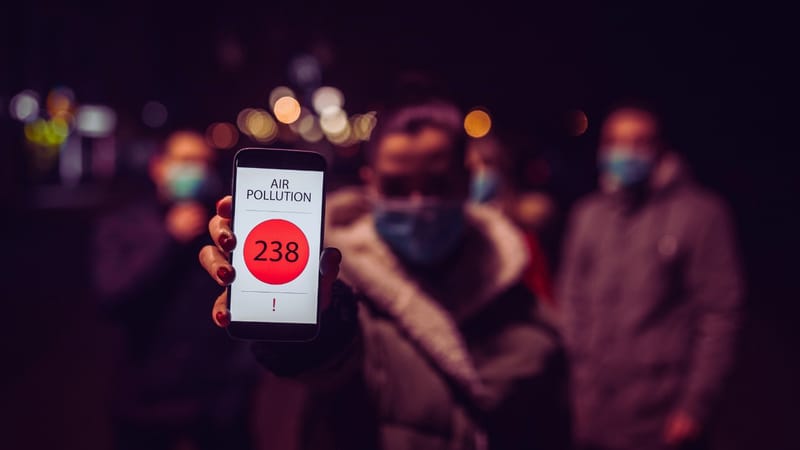
As Delhi’s air quality plunges, leaders from EY and KPMG say pollution has become an HR, business and leadership issue—demanding coordinated, long-term action.
As toxic smog tightens its grip over Delhi-NCR, India’s corporate leaders are confronting an uncomfortable truth: air pollution is no longer an environmental episode but a full-fledged workplace and public-health crisis. With the capital recording an average AQI of 386 and several pockets breaching the “severe” range of 430–450, employers are being forced to rethink how they safeguard staff health, sustain operations and maintain morale.
Stage 3 of the Graded Response Action Plan has already triggered construction bans, traffic curbs and hybrid schooling. Companies, too, are activating emergency playbooks as employees question their safety and leaders weigh the impact of prolonged exposure on productivity, absenteeism and mental well-being.
Corporate India Moves From Air Filters to Full-Scale Crisis Management
At EY India, Chief Human Resources Officer Arti Dua said the organisation closely tracks AQI patterns and responds through a coordinated approach between HR and business leaders. She pointed to substantial investments in air-handling and filtration systems, as well as anti-smog infrastructure and continuous monitoring of indoor pollutants such as PM2.5, AQI and CO₂ levels.
“We’ve invested in indoor and outdoor air-quality measures and conduct regular air audits,” Dua said, adding that flexible work arrangements allow employees to make health-first decisions. Workcations and remote options have emerged as essential levers, providing employees temporary relief from toxic air pockets.
EY also focuses heavily on prevention. “Awareness, education and resilience matter,” Dua noted. The firm partners with physicians and medical experts to run sessions on lung health, pollutant exposure and respiratory protection—supported by broader initiatives on nutrition, mindfulness and everyday habits. She emphasised that wellbeing “is personal”, and flexibility is central to coping with recurring air-quality shocks.
For KPMG in India, the challenge demands a cross-functional response. Vijay Gogoi, Partner, Human Capital Advisory Solutions, said pollution episodes require the same structured governance that guided organisations through the pandemic. “A challenge of this magnitude cannot be managed by a single team; it demands unified action across business, HR and Admin,” he said.
Business leaders set the tone on schedule changes and resource allocation. HR ensures policies are empathetic, relevant and flexible. Admin teams focus on safe workplace operations, infrastructure checks and contingency planning. Decisions on when to shift to remote work depend on AQI data, industry norms and operational dependencies.
Rethinking Productivity and Presence
The question of productivity remains a concern for many leaders. But Gogoi argued that the cost of presenteeism during severe pollution episodes—when illness, respiratory distress and fatigue rise sharply—far outweighs the perceived downsides of remote work.
“Most organisations in India, including KPMG in India, are prioritising employee health over short-term productivity fears,” he said. There is no widespread move toward “pollution leave” as a formal policy category, he added, because existing hybrid frameworks allow companies to respond swiftly and effectively.
Pollution spikes also trigger anxiety, panic and fatigue among employees. Gogoi said HR teams increasingly lead the communication effort, but managers must be equipped to support emotional wellbeing. Short scripts for empathetic check-ins, active promotion of Employee Assistance Programmes and a culture that validates employee concerns have become essential.
“Pollution is fast becoming a crisis on par with a pandemic—and it deserves to be addressed with the same urgency,” he said.
Beyond Masks and Purifiers: A Long-Term Health Strategy
Both leaders agree that surface-level fixes will not deliver resilience. Gogoi emphasised that real change requires behaviour shifts—something organisations can influence by linking environmental realities to personal health and productivity. He advocated investment in collaboration tools that ensure business continuity when employees must stay home, as well as long-term office redesigns that prioritise clean air and green infrastructure.
Dua said sustainability is now core to EY’s organisational agenda. The company works with clients on measuring and reducing emissions, building decarbonisation pathways and assessing climate risks—including the impact of pollution on employee health, wellbeing and productivity.
The worsening air-quality cycle has shifted pollution from a civic concern to a corporate and HR priority. Leaders say wellbeing frameworks must now account for environmental risk as a permanent factor—not a seasonal inconvenience. The biggest mindset shift, Gogoi argued, is for organisations and individuals to view clean air as a shared value and a shared responsibility.
As Delhi braces for several more days of “very poor” air and no immediate rain forecast, the role of employers is likely to expand further. Pollution is now shaping workforce policy, leadership empathy and organisational resilience—and corporate India is being forced to adapt, quickly and repeatedly.
Topics
Author
Loading...