







Workforce Planning
Curiosity and adaptability become core predictors of workforce success in 2026 | Armstrong


 ||
||


As AI reshapes work, organisations shift from headcount to capability, with curiosity, agility and learning velocity becoming core drivers of workforce performance.
Curiosity and adaptability will become the defining markers of workforce strength in 2026, as organisations move away from traditional measures of productivity and rethink how talent drives business performance. The shift reflects a broader transformation in how companies adopt artificial intelligence and redesign work around skills rather than job titles.
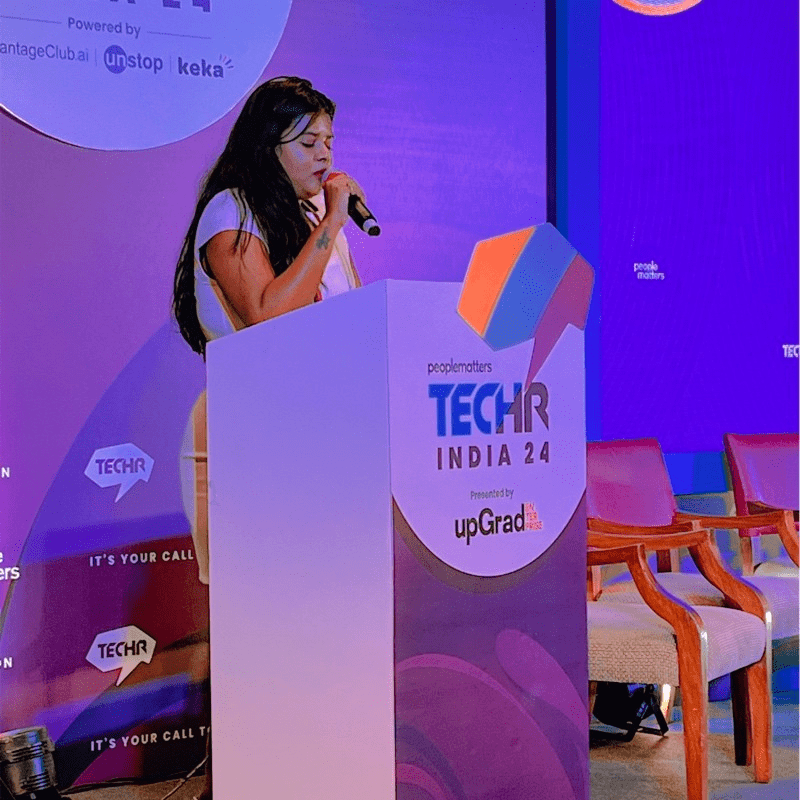
Niki Armstrong, Chief Administrative and Legal Officer at Pure Storage, said the conversation has already shifted from speculation about AI’s impact to the operational realities of integrating it across the enterprise. HR leaders, she noted, now sit “at the centre of enterprise transformation” as they redesign roles, upskill employees and hire for the capabilities needed to keep pace.
Across industries, businesses are recalibrating expectations. Reporting in the Financial Times indicates that firms increasingly value learning agility over accumulated experience, particularly as automation accelerates skill obsolescence. Armstrong says that headcount will no longer be a proxy for productivity, with capability — adaptability, skills breadth and learning velocity — becoming the new currency.
Organisations are expected to embed learning directly into business strategy, treating continuous reinvention as a competitive advantage. Armstrong described future workforces as “portfolios of reinvention”, made up of employees who upskill consistently and pivot quickly as conditions change.
Career progression is also set to shift. Traditional credentials and rigid experience requirements will continue to decline in relevance as employers hire and promote for potential, curiosity and growth capacity. Armstrong said linear ladders will give way to skill-based lattices that reward mobility across roles rather than tenure. Microlearning, rapid experimentation and manager-as-coach practices are expected to reinforce this cultural shift.
AI’s rapid expansion will heighten the premium on adaptability. Armstrong predicted that by 2026, AI fluency will become a baseline skill, with employees expected to prompt, validate and interpret AI outputs with competence and judgement. Training programmes will evolve beyond tool usage to encompass critical thinking, ethical reasoning and bias detection — reflecting concerns raised by researchers interviewed by Reuters that ungoverned AI adoption risks amplifying inequity.
The leader also stressed that AI will amplify, not replace, human judgement, enabling HR and managers to make faster and fairer decisions. Real-time coaching signals and pattern recognition will modernise performance management, shifting reviews from retrospective judgement to continuous development.
But she cautioned that sustainable innovation depends on a broader framework. Ethical guardrails, transparency, trust and privacy protection will determine whether AI improves consistency and equity or reinforces existing risks. Global regulators have echoed this view, with compliance standards tightening around algorithmic transparency.
As organisations prepare for 2026, capability-building, ethical AI design and workforce agility are set to define competitive advantage. Companies that succeed will be those that balance technological fluency with human adaptability — and build teams that learn faster than the world around them changes.
Topics
Author
Loading...