







AI & Emerging Tech
Alibaba forms new AI unit, CEO Eddie Wu to head Token Hub






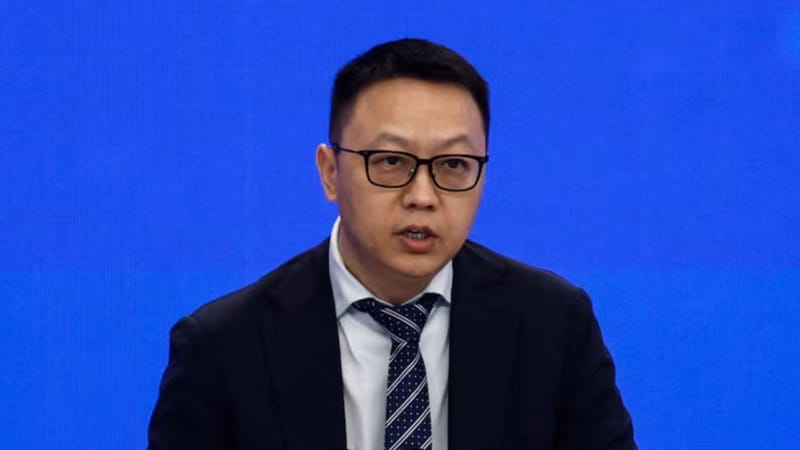
Alibaba consolidates key AI teams under a new Token Hub unit led by CEO Eddie Wu as it intensifies its push into enterprise AI platforms.
Alibaba Group has created a new artificial intelligence-focused business unit, Alibaba Token Hub (ATH), and appointed chief executive Eddie Wu to lead the group directly as the Chinese technology giant accelerates its push into enterprise AI platforms.
The company said in a statement on Monday that the new unit will focus on building AI work platforms for enterprise users, bringing together several existing internal teams to strengthen coordination across Alibaba’s rapidly expanding artificial intelligence operations.
The Alibaba Token Hub will combine multiple AI initiatives within the company, including Tongyi Laboratory, the MaaS (Model-as-a-Service) business line, Qwen, Wukong, and the AI Innovation unit, according to Reuters.
Wu said the restructuring is designed to improve strategic alignment across Alibaba’s AI ecosystem while maintaining the speed of development needed in the fast-moving sector.
“I will lead ATH directly, with a mandate to drive strategic coordination across our AI businesses, embed AI deeply into how we work, and preserve the agility that lets us move fast,” Wu wrote in an internal memo to employees.
Leadership shift follows executive departures
The formation of the new AI unit comes amid questions about Alibaba’s AI leadership following the early March departure of Lin Junyang, head of the company’s Qwen AI model division.
Lin’s exit marked the third senior executive departure from the Qwen team this year, according to Reuters, prompting speculation about internal restructuring within Alibaba’s AI operations.
Industry analysts say the decision to place the new AI group directly under the CEO reflects the strategic importance of artificial intelligence in Alibaba’s next phase of growth.
The company has been expanding its portfolio of AI models and enterprise tools to compete with both U.S. technology firms and fast-moving Chinese rivals.
China’s AI competition intensifies
Alibaba’s move also comes as Chinese technology companies compete aggressively in the global AI model market.
Unlike many Western competitors, several Chinese firms have adopted open-source AI models, allowing developers to download and deploy systems at significantly lower costs.
According to Reuters, leading Chinese models such as DeepSeek, Alibaba’s Qwen, and Zhipu’s ChatGLM can cost 10 to 20 times less than comparable U.S. models, a strategy aimed at capturing global market share through affordability.
However, the rapid decline in AI token pricing has also raised questions about long-term profitability for companies competing primarily on cost.
Industry analysts say companies may need to rely on enterprise platforms, cloud integration and AI services rather than model pricing alone to generate sustainable revenue.
Enterprise AI becomes strategic focus
The creation of the Token Hub unit suggests Alibaba is shifting towards a more integrated AI strategy that prioritises enterprise adoption and platform development.
Enterprise AI platforms allow organisations to deploy models across internal workflows, automate processes and integrate generative AI tools with existing business systems.
Alibaba has been positioning its cloud computing and AI infrastructure businesses as key growth engines as demand for AI-powered services continues to expand globally.
The company is scheduled to report quarterly earnings later this week, according to Reuters, and investors are expected to look closely at progress in its AI and cloud segments.
AI reshaping the Chinese tech landscape
The restructuring highlights how major technology firms in China are reorganising their operations to keep pace with the rapidly evolving AI sector.
As competition intensifies, companies are racing to develop more powerful models, lower-cost infrastructure and enterprise-focused AI platforms.
For Alibaba, placing the Token Hub directly under the CEO signals that artificial intelligence is no longer a standalone research initiative but a core strategic pillar shaping the company’s future growth.
Topics
Author

Loading...