







AI & Emerging Tech
Could AI replace CEOs? Zuckerberg is already testing it at Meta






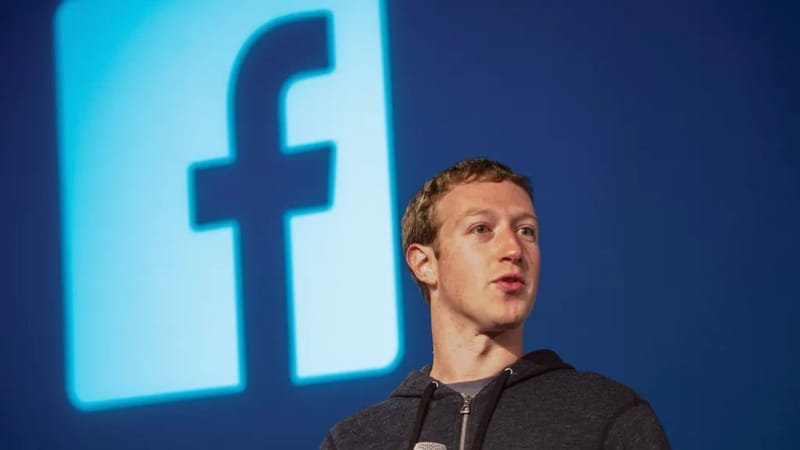
Meta chief Mark Zuckerberg is testing an AI assistant for leadership tasks, signalling how artificial intelligence could reshape executive roles.
Mark Zuckerberg is experimenting with an artificial intelligence system designed to assist him in running Meta, raising fresh questions about whether AI could eventually reshape — or even replace — aspects of executive leadership.
According to the Wall Street Journal, the Meta chief executive is developing an internal AI agent that can support decision-making and streamline access to information typically filtered through layers of management. The system, currently in training, is designed to act as a high-speed “assistant” to the CEO, surfacing insights and operational data in real time.
The move reflects a broader shift in how technology is being embedded at the highest levels of corporate decision-making — not just among engineers and analysts, but within leadership itself.
AI moves into the corner office
Zuckerberg’s experiment comes as Meta accelerates its investment in artificial intelligence across the organisation. The company is using AI tools to automate workflows, reduce organisational layers and increase productivity, according to company statements cited in the Wall Street Journal report.
Speaking during an earnings call earlier this year, Zuckerberg said Meta is “investing in AI-native tooling so individuals… can get more done,” adding that the company is working to “elevate individual contributors and flatten teams”.
The internal AI agent being tested is part of that broader push — designed to help the CEO retrieve information quickly without relying on traditional reporting structures.
Inside Meta, employees are already using AI-powered tools such as “Second Brain” and other assistants that can analyse documents, retrieve context from past work, and communicate across teams. These tools are increasingly described internally as functioning like a “chief of staff” powered by AI.
From support tool to strategic shift
While the current system is positioned as an assistant rather than a replacement, industry voices suggest the implications could be far-reaching. At the India AI Impact Summit in February, OpenAI chief executive Sam Altman said AI could eventually “do a better job being the CEO of a major company than any executive”.
Such remarks, once speculative, are gaining traction as companies deploy AI deeper into operational and strategic roles.
Meta’s approach also aligns with its wider restructuring efforts. The company has been investing heavily in AI infrastructure and talent, even as it trims costs elsewhere. Reports suggest Meta may cut thousands of roles globally amid rising AI spending, underscoring the trade-offs involved in the transition.
At the same time, the company is building out its Superintelligence Labs and acquiring AI-focused firms to strengthen its capabilities in autonomous systems and personal AI agents.
Efficiency versus oversight
The growing role of AI in leadership raises critical questions about accountability, judgement and organisational design. While AI can accelerate access to data and improve efficiency, executive roles often depend on contextual judgement, stakeholder management and ethical decision-making — areas where human oversight remains central.
For now, Zuckerberg’s AI agent appears aimed at augmenting, not replacing, leadership. But the experiment signals a clear direction: AI is no longer just a tool for execution — it is entering the domain of strategy and leadership.
As companies push further into AI-led operations, the definition of what it means to be a CEO may itself begin to change.
Topics
Author

Loading...