







AI & Emerging Tech
Microsoft plans AI data centre expansion, vows not to raise power bills






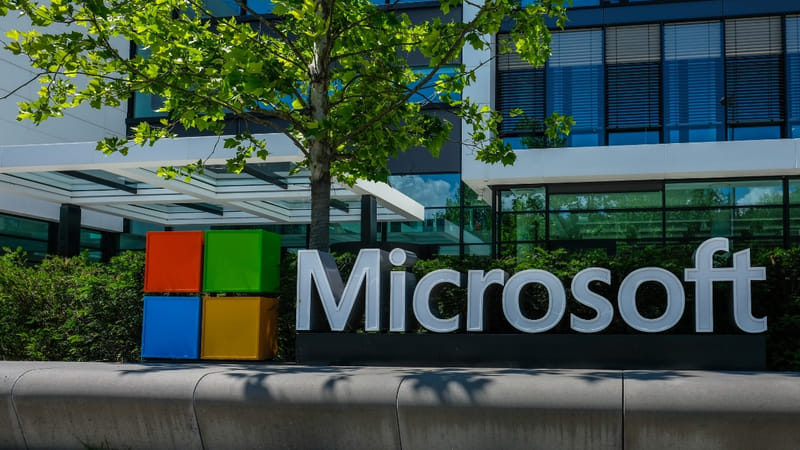
Amid mounting backlash, Microsoft says it will fund its full electricity and water footprint as it expands AI data centres.
Microsoft has announced a fresh wave of data centre investments to support artificial intelligence workloads, while pledging that the expansion will not push up household electricity bills in the communities where the facilities are built.
The company on Tuesday outlined what it described as a “community-first” approach to AI infrastructure, committing to cover the full cost of its power usage and to limit the environmental impact of its data centre footprint. The announcement comes amid growing public resistance to large-scale data centre projects across the United States.
Microsoft said it would work closely with local utilities and state regulators to ensure that the electricity rates it pays reflect the full burden its data centres place on local grids. “Our goal is straightforward: to ensure that the electricity cost of serving our data centres is not passed on to residential customers,” the company said.
The pledge follows months of intensifying scrutiny of the energy and water demands of AI-driven infrastructure. Over the past year, major technology companies have signalled plans to pour billions of dollars into data centres to support generative AI, even as local communities and regulators raise concerns about rising power prices, water stress and limited job creation.
Microsoft’s move is part of that broader industry push. Last year, the company said it would significantly increase capital spending to expand AI capacity, and its latest announcement came a day after Meta’s chief executive Mark Zuckerberg said the social media group would roll out its own AI infrastructure programme.
Beyond electricity costs, Microsoft said it would seek to minimise water consumption at its facilities and invest in local job creation. Water usage has become a particular flashpoint, with critics arguing that data centres can strain already stressed local supplies, especially in smaller municipalities.
The company’s assurances come against a backdrop of growing political and community opposition. Data centre construction has become a rallying point for activists, with Data Center Watch, an organisation that tracks anti–data centre campaigns, saying there are more than 140 groups across 24 US states organising against new developments.
Microsoft has already felt the impact of that resistance. In October, it abandoned plans for a data centre project in Caledonia, Wisconsin, citing strong community opposition. In Michigan, proposed developments have sparked street protests, while opinion pieces in local newspapers in Ohio have criticised Microsoft and its peers over climate and energy concerns.
The issue has also reached the national political stage. On Monday, US President Donald Trump said on social media that Microsoft would make “major changes” to ensure Americans do not “pick up the tab” for the company’s electricity consumption, underscoring the sensitivity around energy costs as AI infrastructure expands.
Microsoft’s latest commitments are an attempt to defuse that backlash as it accelerates investment. Whether promises on power bills, water use and jobs will be enough to ease opposition remains uncertain, but the company has made clear that public acceptance is now a critical factor in how — and where — it builds the next generation of AI infrastructure.
Topics
Author

Loading...