







Appointments
Prashant Kumar to remain Yes Bank CEO through April 2026






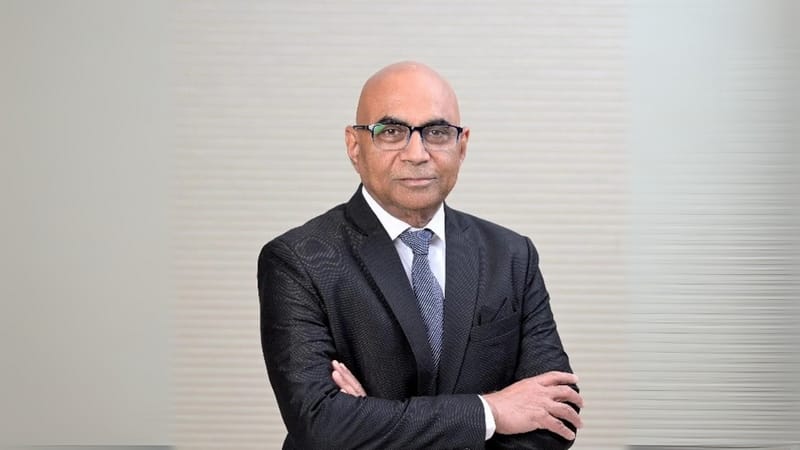
The approval gives Kumar a steadier runway to steer Yes Bank through a crucial ownership shift and position it for sustained profitability.
Yes Bank shareholders have formally approved the extension of Managing Director and Chief Executive Officer Prashant Kumar’s term until April 2026. The decision provides continuity at the top as the private lender enters a critical phase of restructuring and prepares for new ownership under Japan’s Sumitomo Mitsui Banking Corporation (SMBC).
Kumar, who took charge in March 2020 following the Reserve Bank of India–led rescue of the cash-strapped bank, has since been credited with stabilising operations, strengthening governance, and cleaning up the balance sheet. His reappointment in 2022 extended his term until October 2025, and in June this year the RBI approved a further six-month extension to ensure leadership stability during the transition.
The leadership continuity is significant because it coincides with a landmark deal: SMBC’s definitive agreement to acquire a 20 per cent stake in Yes Bank from the State Bank of India and other institutional shareholders. Yes Bank described the Japanese lender’s entry as a “significant milestone” for its next phase of growth, underpinned by global expertise and fresh capital.
According to Business Standard, analysts believe Kumar’s presence provides “critical assurance” to both investors and regulators as the bank navigates this ownership shift. The combination of foreign investment and established domestic leadership, they argue, reduces the risk of disruption in strategy or execution.
Yes Bank’s recovery story remains unfinished. Once among India’s fastest-growing private lenders, the bank collapsed under the weight of bad loans in 2020, forcing regulators to intervene. Under Kumar’s stewardship, non-performing assets have been reduced and profitability has returned, but challenges remain. Competition in retail and corporate lending is intensifying, and digital disruption is reshaping customer expectations.
The RBI’s decision to support Kumar’s continuation reflects a preference for stability in a sector where leadership turnover can unsettle markets. Economic Times noted that banking regulators have traditionally prioritised smooth transitions, especially in institutions that have undergone rescue operations.
Still, questions linger. Some analysts caution that while Yes Bank has stabilised, its profitability metrics lag behind peers. “The bank has returned to profit, but sustaining margins and strengthening its capital base remain long-term tasks,” a Mumbai-based banking consultant told Mint.
Moreover, succession planning cannot be deferred indefinitely. The six-month extension, ending in April 2026, may suggest that the board and regulators are still deliberating on a long-term leadership roadmap. Investors will be keenly watching whether a successor is groomed internally or brought in from outside once Kumar steps down.
Topics
Author

Loading...