







Business
New labour codes hit TCS, Infosys, HCLTech with ₹4,000 crore Q3 bill





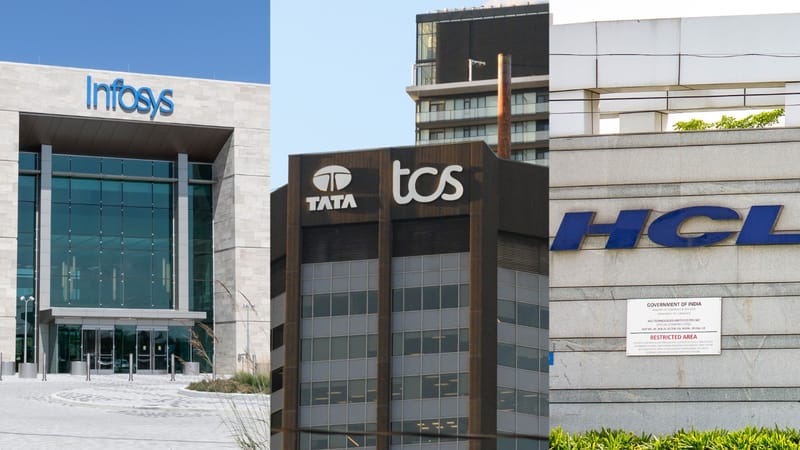
One-time charges drag down profits, but IT majors say margin pain will be limited in coming quarters.
India’s largest IT services companies paid a steep price in the December quarter as new labour codes came into force, with Tata Consultancy Services, Infosys and HCLTech together absorbing more than ₹4,000 crore in additional costs tied to employee benefits and statutory liabilities.
The charges, booked as exceptional items, stem from the implementation of the new labour framework in November 2025, which reshaped how wages, gratuity and leave liabilities are calculated. While the companies insist the impact is largely behind them, the immediate effect was visible in profits and margins during the third quarter.
Infosys reported a ₹1,289 crore charge related to labour codes, largely reflecting higher gratuity obligations and accumulated leave liabilities from past service. Tata Consultancy Services booked the biggest hit at ₹2,128 crore, while HCLTech recorded a ₹956 crore charge, according to disclosures made alongside their quarterly results.
At Infosys, the impact was stark. Operating margin slid to 18.4% in the December quarter from 21% in the previous three months. Management said margins would have been closer to 21.2% had the labour code costs not been factored in. TCS managed to hold margins steady at 25.2%, while HCLTech reported a modest uptick to 18.6%, cushioning the blow through cost controls elsewhere.
Executives were quick to stress that the bulk of the pain is non-recurring. TCS chief financial officer Samir Seksaria said most of the company’s charge related to aligning gratuity and leave provisions with the new rules and would not repeat at the same scale. He told analysts the ongoing impact should be limited to about 10 to 15 basis points annually, barring further regulatory changes.
Infosys CFO Jayesh Sanghrajka echoed that view, saying the labour code would result in a regular margin impact of around 15 basis points. HCLTech chief executive C Vijayakumar put the expected ongoing impact in a similar range of 10 to 20 basis points.
The new labour codes mandate that at least half of an employee’s cost-to-company must be paid as basic wages, with social security benefits such as provident fund and gratuity calculated on that base. For IT firms with large workforces and historically flexible salary structures, the shift has forced a recalibration of long-term employee costs.
Brokerages are less convinced that the issue ends with a one-time adjustment. Jefferies said the labour codes could add to margin pressure already building from slower revenue growth, AI-led changes in business mix and the prospect of higher onsite wage costs in the coming years. The brokerage warned that even a modest increase in employee costs could materially dent earnings estimates.
For now, the industry is treating the December-quarter hit as the price of transition. But as wage structures reset and recurring costs settle into the system, analysts say the true test will be how effectively IT companies balance compliance, employee welfare and margin protection in a more tightly regulated environment.
Topics
Author
Loading...