







Business
Starbucks fires its Korea CEO. Here’s what went wrong






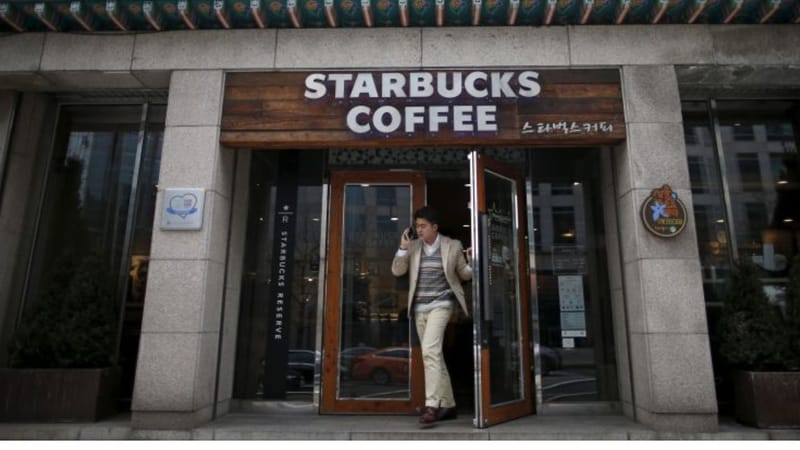
Starbucks Korea has removed its chief executive and issued a public apology after a promotional campaign triggered outrage in South Korea over perceived references to one of the country’s darkest chapters in modern history.
Starbucks Korea has fired its chief executive after a promotional campaign tied to its “Tank Series” tumblers sparked political backlash, boycott calls and accusations that the company had trivialised South Korea’s pro-democracy struggle.
The controversy erupted after Starbucks Korea launched a “Tank Day” promotion on Monday, the anniversary of the 1980 Gwangju Uprising crackdown, a date associated with one of the country’s most traumatic political events.
Critics argued the campaign appeared to reference military tanks used by the authoritarian government during the violent suppression of pro-democracy protesters in the southern city of Gwangju.
According to reporting by the BBC, Starbucks Korea withdrew the campaign within hours of launch. Shinsegae, the conglomerate that owns the majority stake in the business, later apologised for what it described as “inappropriate marketing” and dismissed Starbucks Korea CEO Sohn Jeong-hyun.
Campaign triggered political and public outrage
The promotion centred around Starbucks Korea’s “Tank Series” tumblers, marketed as large-capacity drink containers.
The campaign used the English phrase “Tank Day”, which quickly triggered criticism online because it coincided with the anniversary of the Gwangju crackdown on 18 May 1980.
The uprising remains a deeply sensitive moment in South Korean history. Hundreds of demonstrators are believed to have been killed after troops deployed by the military government of Chun Doo-hwan moved to suppress protests demanding democracy.
Many social media users argued the campaign was insensitive given the historical significance of the date and the military imagery associated with the word “tank”.
Calls to boycott Starbucks Korea and Shinsegae spread rapidly online after the campaign appeared.
According to the BBC, some critics also linked additional campaign wording to another historic political controversy from 1987 involving the death of a student activist in police custody.
South Korea’s president publicly condemned the campaign
The backlash intensified after South Korean President Lee Jae Myung criticised the promotion publicly.
In a social media post quoted by the BBC, Lee said the campaign “insults the victims and the bloody struggle” associated with Gwangju.
He also questioned how such marketing material could have been approved given the significance of the anniversary in South Korea’s democratic history.
The Gwangju Uprising is widely recognised as a turning point in South Korea’s eventual transition to democracy and is commemorated annually across the country.
Subsequent investigations into the military crackdown later confirmed allegations of rape and sexual assault committed by troops during the operation.
The events of May 1980 continue to hold major political and emotional significance in South Korea and are frequently referenced in films, television dramas and public commemorations.
Starbucks and Shinsegae issue apologies
Following the backlash, Starbucks Korea suspended the promotion and apologised to customers.
The company said it would review and improve internal approval procedures to prevent similar incidents in future.
Starbucks headquarters in the United States also released a separate apology, saying the incident was unintentional but “should never have happened”.
According to the BBC, the company acknowledged the pain caused to victims, their families and those connected to South Korea’s democratisation movement.
Shinsegae chairman Chung Yong-jin later described the campaign as “an inexcusable mistake” that had trivialised the sacrifices made during South Korea’s democracy movement.
He said the company would investigate how the campaign was approved and reassess marketing review procedures across affiliated businesses.
Starbucks Korea ownership differs from global business
Although Starbucks branding remains unchanged globally, Starbucks Coffee Company in the United States no longer directly operates the South Korean business.
The BBC reported that Starbucks sold its stake in the South Korean operation in 2021.
Currently:
• Shinsegae subsidiary E-mart owns a 67.5% stake in Starbucks Korea
• Singapore sovereign wealth fund GIC owns the remaining stake
Despite the ownership separation, the controversy still drew attention internationally because of the Starbucks brand’s global visibility.
Brand risks rise as companies face scrutiny over historical sensitivity
The incident highlights how global consumer brands operating in local markets increasingly face scrutiny over historical awareness, political symbolism and cultural sensitivity.
Marketing campaigns tied to national commemorations or traumatic historical events can quickly escalate into reputational crises, particularly in countries where political memory remains deeply embedded in public discourse.
For Starbucks Korea, the fallout has already led to leadership changes, corporate apologies and renewed pressure around internal oversight.
The controversy also serves as a reminder that in highly connected digital markets, even short-lived campaigns can rapidly become national political issues.
Topics
Author
Loading...