







Business
Tata escapes shutdown as water contamination claims against iPhone plant are dropped






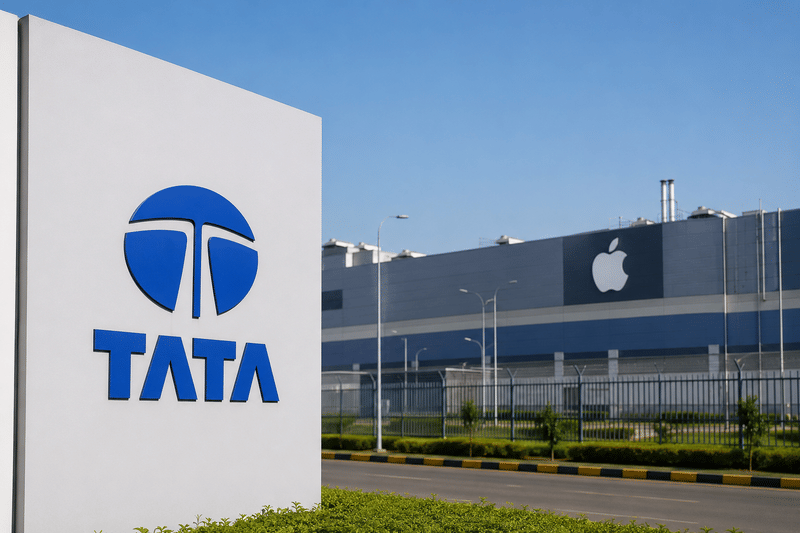
Tata Electronics has secured relief after Tamil Nadu's pollution regulator ended scrutiny of its iPhone components facility, removing the threat of a shutdown that had raised concerns for Apple's expanding manufacturing footprint in India.
Tata Electronics has avoided the risk of a factory shutdown after Tamil Nadu's pollution regulator dropped further action against its iPhone components plant in Hosur, concluding a months-long scrutiny triggered by allegations of water contamination.
The development provides reassurance for Apple's supply chain in India, where Tata has emerged as a key manufacturing partner as the US technology giant expands production outside China.
According to Reuters, Tata said the Tamil Nadu Pollution Control Board (TNPCB) had confirmed that the company had satisfactorily addressed all concerns raised in a warning notice and that no further action would be taken.
The regulator had previously warned Tata that its facility could face closure if it failed to explain findings from government inspections that allegedly linked wastewater discharge from the factory to contamination in nearby agricultural areas.
Regulator closes case after fresh analysis
The dispute centred on complaints from farmers living near Tata's manufacturing facility in Hosur, Tamil Nadu, which produces iPhone back panels and other components.
Reuters reported that authorities conducted multiple inspections after allegations emerged that wastewater from the factory had affected groundwater in open wells located on neighbouring agricultural land.
In its statement to Reuters, Tata said the pollution control board had reviewed recently collected water samples and found no evidence of contamination linked to the facility.
The company also said it commissioned an independent analysis through an accredited laboratory and submitted the findings to the regulator as part of its response.
According to Tata, both the independent assessment and the regulator's latest analysis found that all tested parameters were within prescribed limits.
How the allegations emerged
The scrutiny began after farmers raised concerns about water quality near the manufacturing facility.
According to Reuters, the pollution control authority had alleged that wastewater discharged from the plant entered a rainwater harvesting pond within the premises and subsequently overflowed.
The regulator said the overflow may have contaminated groundwater in open wells located in adjacent agricultural areas.
The warning notice represented one of the most serious regulatory challenges faced by Tata's Apple-linked manufacturing operations in recent years and carried the possibility of operational disruption if concerns were not addressed.
Key developments in the case included:
• Complaints from farmers near the Hosur facility
• Government inspections conducted following the complaints
• A warning from the pollution regulator over possible shutdown action
• Independent testing commissioned by Tata
• Fresh sample analysis by the regulator
• The eventual withdrawal of further action against the company
Relief for Apple's India manufacturing plans
The outcome is likely to be welcomed by Apple, which has been steadily increasing production in India as part of a broader effort to diversify its global supply chain.
Tata plays an increasingly important role in that strategy. The Hosur facility under scrutiny manufactures back panels and other components used in iPhone production.
India has become a more significant manufacturing base for Apple in recent years as the company reduces dependence on China and expands production capacity across multiple supplier facilities.
Any disruption at Tata's operations could have added pressure to Apple's growing supply chain network in the country.
Supply chain has faced earlier setbacks
The contamination allegations were the latest challenge involving facilities connected to Apple's manufacturing ecosystem in India.
Reuters noted that a fire at Tata's Hosur plant in September 2024 temporarily disrupted iPhone component production.
A year earlier, a fire at an iPhone manufacturing facility operated by former Apple supplier Pegatron halted production for several days.
The developments highlighted the operational and regulatory challenges that can emerge as global manufacturers expand large-scale production networks across new markets.
Topics
Author
Loading...