







Business
Zomato terminates 5,000 delivery workers every month: CEO
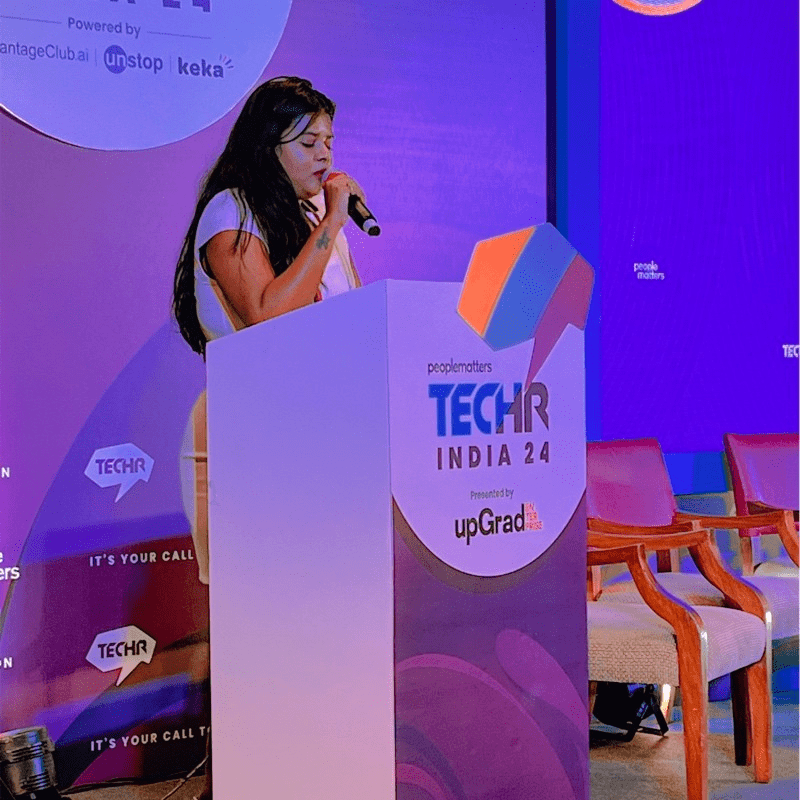





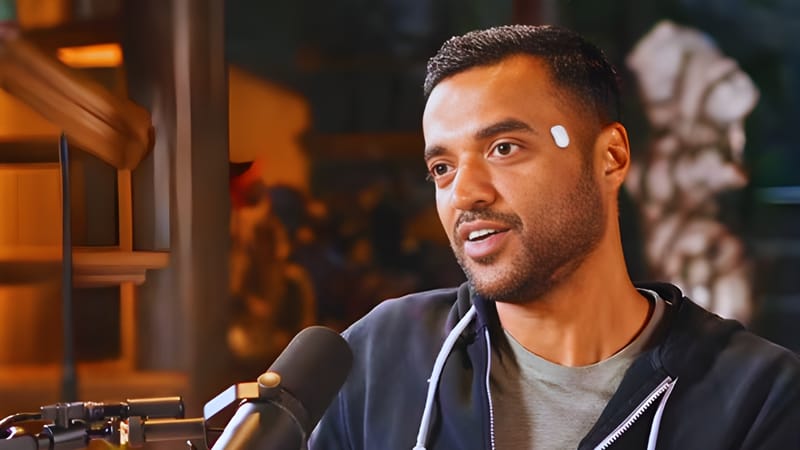
Zomato CEO Deepinder Goyal says high churn reflects the nature of gig work, with large voluntary exits alongside terminations.
Zomato terminates around 5,000 delivery partners every month, its founder and chief executive Deepinder Goyal said, offering a rare, granular look into workforce churn at one of India’s largest gig platforms.
Goyal made the comments while speaking on YouTuber Raj Shamani’s podcast, where he outlined the scale and dynamics of hiring and exits within Zomato’s food delivery business, which operates under parent company Eternal.
According to Goyal, monthly attrition on the platform is far higher when voluntary exits are included. He said between 1.5 lakh and 2 lakh delivery workers leave on their own every month, even as a similar number are onboarded during the same period.
“People see this as purely gig,” Goyal said, adding that many delivery partners treat the role as temporary or transitional. Some, he explained, take up the work to meet immediate financial needs and leave once those needs are met.
Zomato’s delivery workforce therefore remains in a state of constant flux, shaped as much by self-driven exits as by company-led terminations. “We can predict how many people will come only up to a certain extent; beyond that, it is not possible,” Goyal said.
Addressing the 5,000 monthly terminations, Goyal said a significant proportion are linked to repeated instances of fraud, involving both delivery partners and customers. He cited cases where orders were marked as delivered without reaching customers, as well as disputes over cash-on-delivery transactions where change was not returned.
To manage such situations, Zomato uses an internal “karma score” system for both customers and delivery partners. The system assesses past behaviour to help the company decide how to resolve disputes and allocate accountability.
“This is where the customer karma score and rider karma score kind of blend in, and we can never be fully right,” Goyal said. “If a customer’s karma score is good, they are more likely to be right, but no one can truly know what happened.”
He added that in about 50% to 70% of disputed cases, the company absorbs the cost, rather than penalising either party.
Goyal also pointed to what he described as increasingly sophisticated customer fraud, including cases where customers allegedly planted foreign objects in food or submitted manipulated — sometimes AI-generated — images to claim refunds.
The comments come at a time when Zomato’s business mix is shifting. Food delivery was the company’s largest business until the previous quarter, when it was overtaken by quick commerce arm Blinkit. Despite this, Zomato remains Eternal’s largest profit-generating unit.
In addition to Zomato and Blinkit, Eternal operates a going-out and dining business under the District brand, and a business-to-business grocery supply vertical, Hyperpure.
Goyal’s remarks underscore the structural volatility of gig work in India, where platforms balance rapid scale, fraud controls and worker churn amid growing scrutiny of employment practices. As debates around gig worker protections and platform accountability intensify, Zomato’s disclosures offer a window into the operational realities behind headline growth.
Author

Loading...