







Compensation Benefits
Air India Express pilots unhappy despite new pay hike






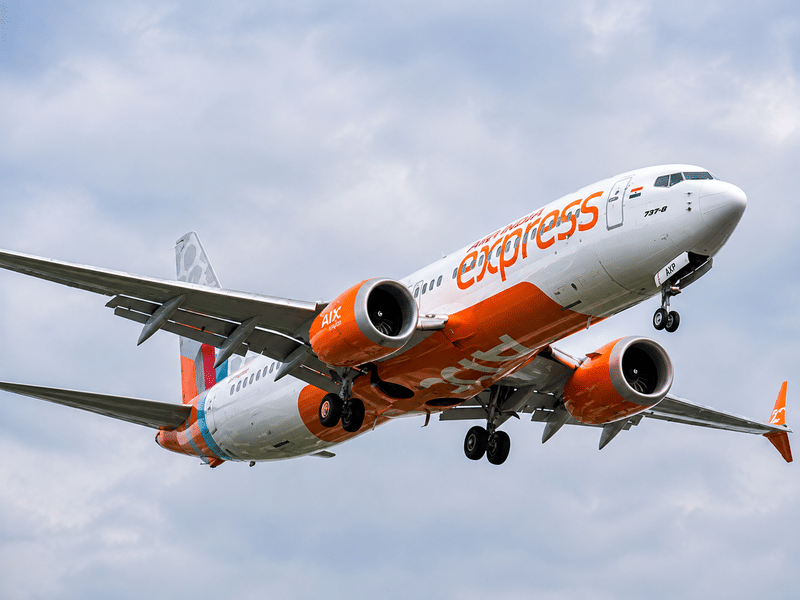
Despite a revised compensation package offering higher earnings and fleet allowances, Air India Express pilots say concerns around pay predictability, leave benefits and operational risk remain unresolved.
Air India Express pilots have raised concerns over income stability, leave policies and the structure of a revised compensation package, despite the airline offering higher earnings and additional allowances, according to industry sources.
The concerns come as the Tata Group-owned carrier seeks pilot acceptance of new employment terms that include higher monthly earnings, fleet-specific allowances and a revised leave framework. However, pilot representatives say the proposed structure places too much dependence on flying hours and monthly utilisation, creating uncertainty around take-home pay.
Higher earnings offered across pilot ranks
According to industry sources, the revised package includes increased earnings across pilot categories along with new fleet-related benefits.
Key features of the proposal include:
• Boeing 737 fleet allowance of up to Rs 21 lakh for Senior Commanders and Commanders
• Boeing 737 fleet allowance of Rs 10 lakh for Senior First Officers
• Payments to be made in three equal instalments over three years starting October 2026
• Revised productivity-linked pay rates
• A narrow-body allowance of Rs 25,000 for P1 category pilots and Rs 10,000 for P2 category pilots as part of fixed pay
• Changes to base posting rules
The airline has also proposed a new leave structure from 1 April 2027, comprising:
• 24 Privilege Leave days
• 12 Sick Leave days
• Six Casual Leave days
Pilots question pay predictability
While the revised package increases headline earnings, pilots have expressed reservations about how those earnings would be calculated.
According to industry sources, the proposed structure guarantees payment for only 40 hours of block flying time, with the remainder of earnings dependent on actual monthly utilisation.
Pilot representatives believe this shifts the financial impact of rostering decisions and fleet deployment onto flight crew, even though these factors remain under the airline's control.
They have pointed to the pre-pandemic compensation model, which provided payment based on 70 fixed flying hours, saying it offered greater income certainty. Pilots contend that a temporary reduction introduced during the Covid-19 period should not become a long-term arrangement.
Leave policy emerges as another flashpoint
Pilot representatives have also flagged concerns about how leave could affect earnings under the proposed framework.
According to sources, pilots fear taking approved Privilege Leave may reduce their variable pay because of lower flying hours during the month. They say this could effectively diminish the financial value of paid leave.
Additional concerns raised by pilots include:
• Reduction of Privilege Leave by six days compared with the earlier structure
• Treatment of Sick Leave and Privilege Leave under the revised pay model
• Clarification on night operations and WOCL (Window of Circadian Low) duties
• Compensation for positioning duties and waiting time
• Handling of lounge stays, tail swaps and operations at critical airfields
• Taxation and repayment conditions linked to any retention bonus
Operational responsibilities remain under scrutiny
Pilots have also highlighted the range of duties they continue to perform beyond payable flying hours.
According to industry sources, crew members regularly undertake positioning assignments, night operations, waiting periods, lounge stays and operational adjustments such as tail swaps. Pilot representatives believe these responsibilities should be reflected more clearly within the compensation framework.
The concerns underline a broader debate around how airlines balance productivity-linked compensation with income certainty in a highly regulated profession where scheduling and deployment are largely controlled by the employer.
Acceptance deadline approaches
Industry sources said revised offer letters were scheduled to be issued by 14 August, with pilots required to communicate acceptance of the new terms by 28 August.
For now, pilot representatives maintain that increased earnings alone do not address core concerns around income security, leave value and the overall design of the employment framework. How the airline and pilot groups resolve these issues could influence workforce sentiment as Air India Express continues its expansion and fleet growth plans.
Topics
Author
Loading...