







Compensation Benefits
Haryana to implement revised wages for part-time and daily-wage staff in 2026





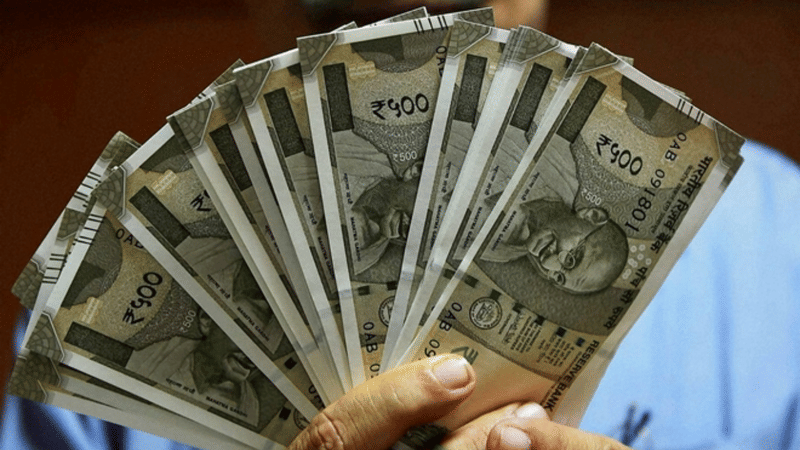
The state government has introduced a new three-tier pay system, providing thousands of temporary staff with increased wages and a more consistent remuneration framework starting January 2026.
The government in Haryana has brought in a completely new way to pay its part-time and daily-wage staff, which is one of the biggest changes to state salaries we’ve seen in years. The new rates kick in on January 1, 2026, and they're meant to make things fairer and more structured when it comes to paying temporary workers across different areas and government offices.
The decision follows repeated calls from workers’ groups and department heads, who have argued that rising living costs and varying district-level conditions had made the older framework outdated. The state has now grouped its districts into three categories based on socio-economic factors and development indicators. This approach, officials said, allows wages to better reflect differences in cost of living and economic conditions from one region to another.
Under the revised structure, workers in Category-I districts — areas with relatively higher living costs and urban pressure — will see monthly wages range from ₹19,900 to ₹24,100 depending on job level. Workers in Category-II districts will now get paid somewhere between ₹17,550 and ₹21,700, while those in Category-III districts will see monthly pay ranging from ₹16,250 to ₹20,450.
The notification was issued by Chief Secretary Anurag Rastogi and applies to part-time employees and daily-rated staff working across state departments, boards, and corporations. Officials familiar with the decision said the review had been in discussion for several months, with the goal of reducing wage disparities and formalising a system that has often been criticised for inconsistency.
With inflation continuing to affect household budgets and contractual hiring still widespread in state-supported workforces, the move is expected to provide relief to a large segment of workers who operate without long-term stability but remain essential to government operations.
The state has also indicated that future wage revisions could follow a similar formula, linking compensation to district-level realities rather than adopting a single statewide slab.
The decision follows repeated calls from workers’ groups and department heads, who have argued that rising living costs and varying district-level conditions had made the older framework outdated. The state has now grouped its districts into three categories based on socio-economic factors and development indicators. This approach, officials said, allows wages to better reflect differences in cost of living and economic conditions from one region to another.
Under the revised structure, workers in Category-I districts — areas with relatively higher living costs and urban pressure — will see monthly wages range from ₹19,900 to ₹24,100 depending on job level. Workers in Category-II districts will now get paid somewhere between ₹17,550 and ₹21,700, while those in Category-III districts will see monthly pay ranging from ₹16,250 to ₹20,450.
The notification was issued by Chief Secretary Anurag Rastogi and applies to part-time employees and daily-rated staff working across state departments, boards, and corporations. Officials familiar with the decision said the review had been in discussion for several months, with the goal of reducing wage disparities and formalising a system that has often been criticised for inconsistency.
With inflation continuing to affect household budgets and contractual hiring still widespread in state-supported workforces, the move is expected to provide relief to a large segment of workers who operate without long-term stability but remain essential to government operations.
The state has also indicated that future wage revisions could follow a similar formula, linking compensation to district-level realities rather than adopting a single statewide slab.
Author

Loading...