







Compensation Benefits
Kotak CEO draws ₹12.95 cr, tops bank salary charts in FY25






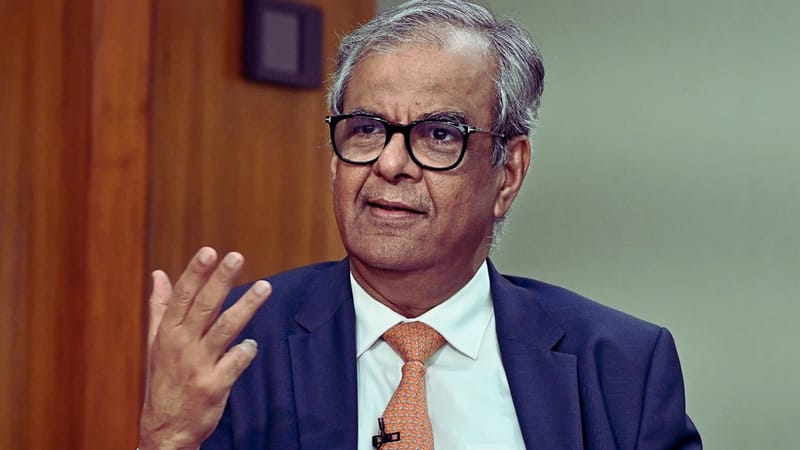
Kotak Mahindra Bank’s FY25 annual report shows Ashok Vaswani earning highest CEO salary among Indian banks, overtaking HDFC Bank’s Sashidhar Jagdishan.
Ashok Vaswani, MD & CEO of Kotak Mahindra Bank, was the highest-paid bank chief in India in FY25, drawing ₹12.95 crore in annual remuneration, according to the bank’s FY25 annual report filed with stock exchanges.
This amount excludes stock option gains and places Vaswani ahead of his counterparts in India’s largest private banks. He succeeded Uday Kotak in January 2024 and brought with him global experience from Citigroup and Barclays. His compensation package was approved by the Board and is subject to Reserve Bank of India (RBI) regulations and shareholder endorsement.
Vaswani’s salary reflects the evolving pay structures in India’s banking sector, which increasingly reward cross-market experience, digital transformation leadership, and strategic execution capability.
HDFC’s Jagdishan Slips to Second Place
According to the FY25 annual report of HDFC Bank, its MD & CEO Sashidhar Jagdishan earned ₹12.06 crore, up from ₹10.77 crore in FY24. Jagdishan had been the highest-paid CEO among large Indian banks in previous years, a position he ceded in FY25.
Axis Bank’s annual report for FY25 showed MD & CEO Amitabh Chaudhry drawing a slightly higher salary of ₹9.68 crore, compared to ₹9.64 crore in FY24.
In contrast, IDFC First Bank’s FY25 report disclosed that CEO V Vaidyanathan earned ₹5.54 crore, up from ₹5.30 crore the year before.
All these figures refer to fixed pay and performance-linked incentives, excluding gains from stock options. As per RBI norms, 50% of variable pay is deferred over three years, with a mix of cash and equity-linked instruments.
Public Sector Executives Lag Far Behind
At the other end of the pay spectrum, public sector bank chiefs continue to receive significantly lower remuneration.
According to the State Bank of India’s FY25 annual report, Chairman CS Setty earned an annual salary of just ₹63.87 lakh—less than 5% of what his private sector peers earned.
This disparity stems from the fact that public sector bank salaries are determined by government wage structures, which lack the performance-linked incentives and ESOP-based compensation commonly seen in private banks.
Hiring Remains Strong Across Banks Despite Automation
While CEO compensation attracted headlines, the FY25 annual reports also show that banks continue to hire in large numbers, particularly in frontline roles.
HDFC Bank’s FY25 report revealed that the bank hired 49,713 employees during the year, with 35,933 men and 13,780 women joining the workforce. The bank’s attrition rate fell to 23% in FY25, down from 27% in the previous year. This trend was previously highlighted by BusinessLine in a June 2025 analysis of attrition and retention in BFSI hiring.
Axis Bank, in its FY25 filing, said it added 31,674 employees, including over 10,000 from campus and academic programmes. This is a dip from the 40,724 new hires in FY24, but still signals strong hiring intent.
In the public sector, SBI’s annual report showed that it hired 1,770 officers in FY25 and posted recruitment notifications for 14,191 clerical roles to be filled in FY26. The bank is also using social media, video campaigns, and head-hunters to appeal to younger talent pools.
The FY25 compensation disclosures reaffirm the growing divide between private and public sector leadership salaries, even as banks across segments continue to scale up hiring.
For private banks, remuneration packages like that of Ashok Vaswani reflect an ambition to attract and retain globally experienced leaders to navigate digital disruption, regulatory complexity, and market competition.
However, the RBI’s oversight and shareholder scrutiny ensure that high pay remains tied to demonstrable outcomes—not just headline-grabbing numbers.
Topics
Author

Loading...