







Diversity Equity Inclusion
Double wages and tighter safety rules: UP opens night shift for women







The new policy allows women to work night shifts with written consent and mandates strict safety, transport, and health provisions.
The Yogi Adityanath-led government in Uttar Pradesh has approved a landmark labour reform allowing women to work night shifts between 7 p.m. and 6 a.m., provided they give written consent. The move aims to promote gender equality, fair wages, and safer working conditions, while expanding opportunities for women across industries.
According to the Gazette notification, employers must ensure transport facilities, CCTV surveillance, and security personnel for women working night hours. The order explicitly requires that women participate voluntarily, with written consent to be registered with the state labour department.
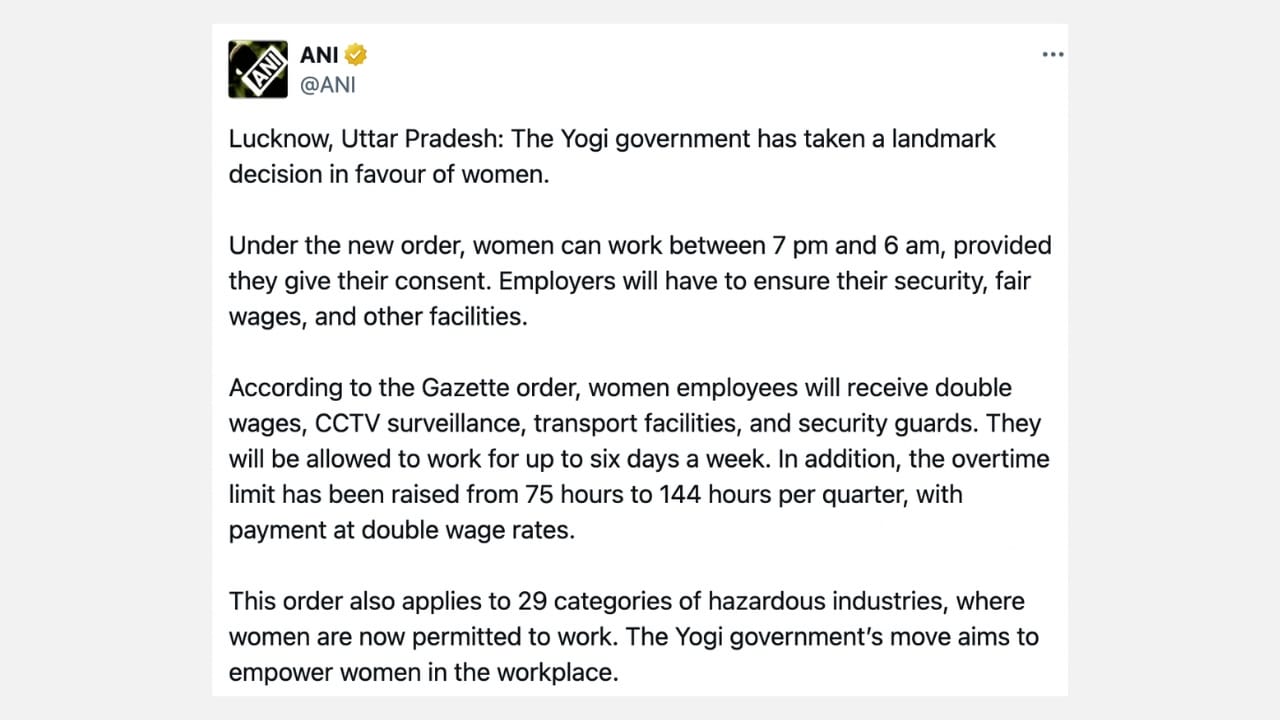
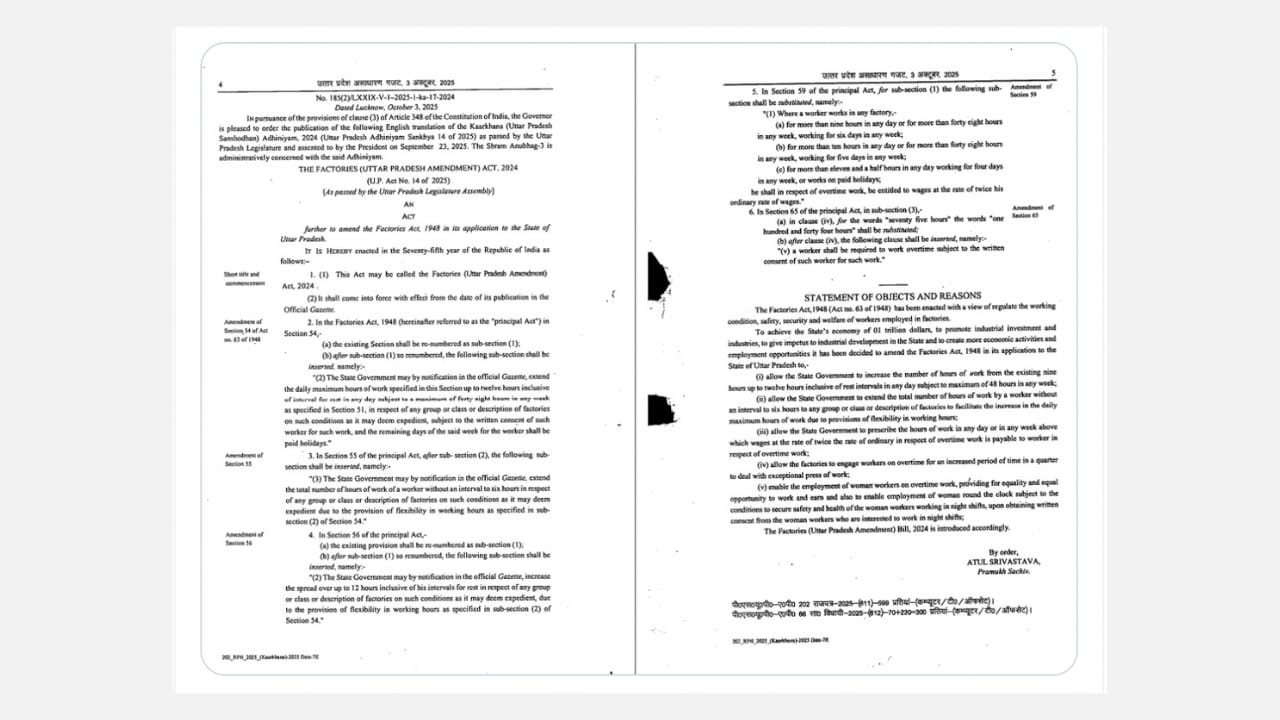
In a major boost to women’s earning potential, the government has also raised the overtime limit from 75 hours to 144 hours per quarter, with compensation at double the normal wage rate. Officials said the decision was designed to “enable equality and equal opportunity to work and earn round the clock,” subject to the employer’s compliance with safety and health conditions.
The new provisions apply even to hazardous industrial categories, expanding women’s eligibility from 12 sectors earlier to all 29 listed under the Factories Act. Employers in these industries are now required to adopt digital monitoring systems and maintain a safe working environment, officials added.
Labour department sources said the reforms mark a significant step in making Uttar Pradesh’s industrial workforce more inclusive, aligning with the state’s broader vision for women-led growth and industrial modernisation.
The state currently counts over one crore women associated with self-help groups, and officials believe the move will further increase female participation in the organised sector.
By pairing equal opportunity with enhanced safety, the policy seeks to redefine workplace inclusion for women in India’s largest state — signalling a decisive shift toward empowerment through choice, not restriction.
Topics
Author
Loading...