







Economy Policy
PF transfers made easier as EPFO launches digital upgrades






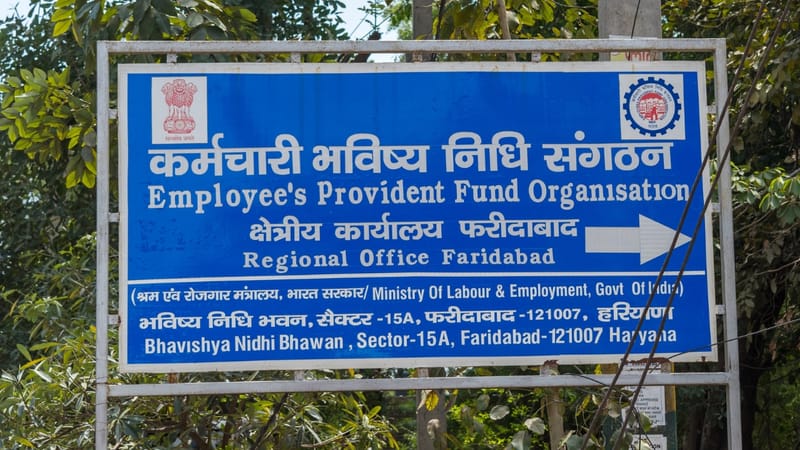
New online tools, including Passbook Lite and Annexure K access, aim to cut delays and improve transparency in provident fund management.
The Employees’ Provident Fund Organisation (EPFO) has introduced two digital reforms to simplify account management and reduce delays in transferring funds, in a move aimed at tackling some of the most persistent grievances of Indian workers.
For years, employees switching jobs have complained of bureaucratic hurdles when trying to move their provident fund balances. The process has often depended on a document known as Annexure K, a transfer certificate issued by the previous provident fund office. Delays in receiving this certificate left employees chasing HR departments or regional offices, sometimes waiting weeks before funds were credited.
Now, the EPFO has taken steps to reduce that friction. First, it has rolled out a Passbook Lite feature within its Member Sewa portal. Second, it has made Annexure K available for direct download by employees, eliminating the need to wait for paper copies from past employers or offices.
Easier access to balances
The new Passbook Lite tool allows members to quickly view contributions, withdrawals and balances without logging into a separate interface. According to officials quoted in national media, the simplified design will help employees monitor whether employers are depositing contributions on time, without having to navigate multiple logins.
For many, this means faster access to essential financial information. Workers can check deposits and interest accruals in a few clicks, ensuring greater visibility into the status of their retirement savings.
Annexure K goes digital
The more significant reform, however, involves Annexure K. Starting this month, employees can log into the Member Sewa portal and download the transfer certificate directly. Previously, this certificate had to be routed through the old provident fund office to the new one, a process that often caused weeks of delay.
With digital access, an employee moving from one city to another can initiate the transfer in minutes. For example, someone relocating from Bengaluru to Gurugram can complete the process online without relying on their former employer’s HR team.
Experts told the Economic Times that the change is especially important for India’s young and mobile workforce. Frequent job switches are common, and delayed transfers often result in multiple dormant accounts. These inactive accounts complicate withdrawals and contribute to the growing pool of unclaimed provident fund money.
Tackling fragmentation and boosting trust
By cutting through paperwork, EPFO’s reforms aim to reduce fragmentation in retirement accounts. Employees will now be able to track transfer status in real time and maintain a permanent digital record of their service history.
For those approaching retirement, this digital trail could reduce disputes over whether service years have been credited accurately for pension calculations. Transparency and faster access are expected to strengthen trust in the system.
In a statement carried by Business Standard, EPFO officials said the measures were designed to “ease member experience” and improve satisfaction levels. They emphasised that digitalisation would also reduce administrative burden on regional offices.
The reforms come at a time when India’s workforce is increasingly mobile. Start-ups, technology firms and multinationals see high turnover rates, and employees often hold several jobs over a career. Each switch typically requires a provident fund transfer.
Delays not only frustrate workers but also discourage them from tracking retirement savings.
Topics
Author

Loading...