







Economy Policy
Union Budget 2026 live updates: FM Sitharaman anchors Budget on jobs, growth and reforms






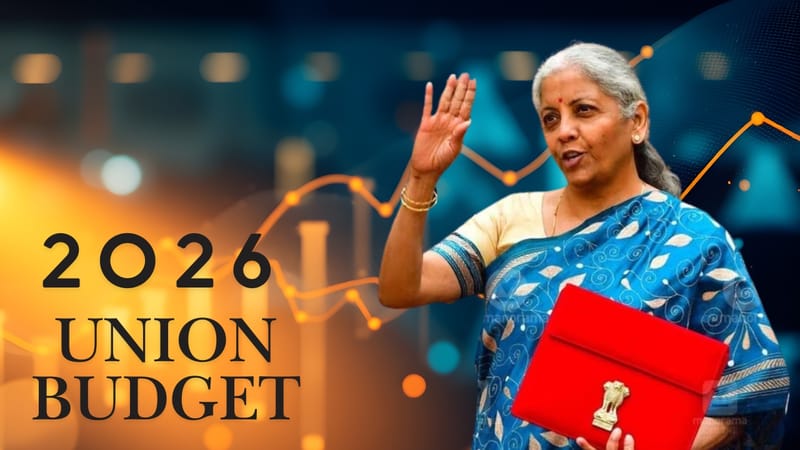
India’s first Sunday Budget begins with markets cautious, fuel and “sin” taxes shifting, and the Economic Survey flagging 7.4% FY26 growth.
Finance Minister Nirmala Sitharaman reached Parliament on Sunday ahead of her Union Budget speech, due to begin at 11am, as India prepares for an unusually high-stakes fiscal statement shaped as much by jobs anxiety as by deficit arithmetic.
This is Sitharaman’s ninth consecutive Budget under Prime Minister Narendra Modi, and the first time the Union Budget is being presented on a Sunday. Markets are open in a special session, reflecting the Budget’s immediate signalling power for equities, bonds and the rupee.
The Budget arrives after the government tabled the Economic Survey in Parliament on Thursday. The Survey projects 7.4% growth in FY26 and 6.8–7.2% in FY27, driven by reforms, a stable macro base and a renewed push for private investment.
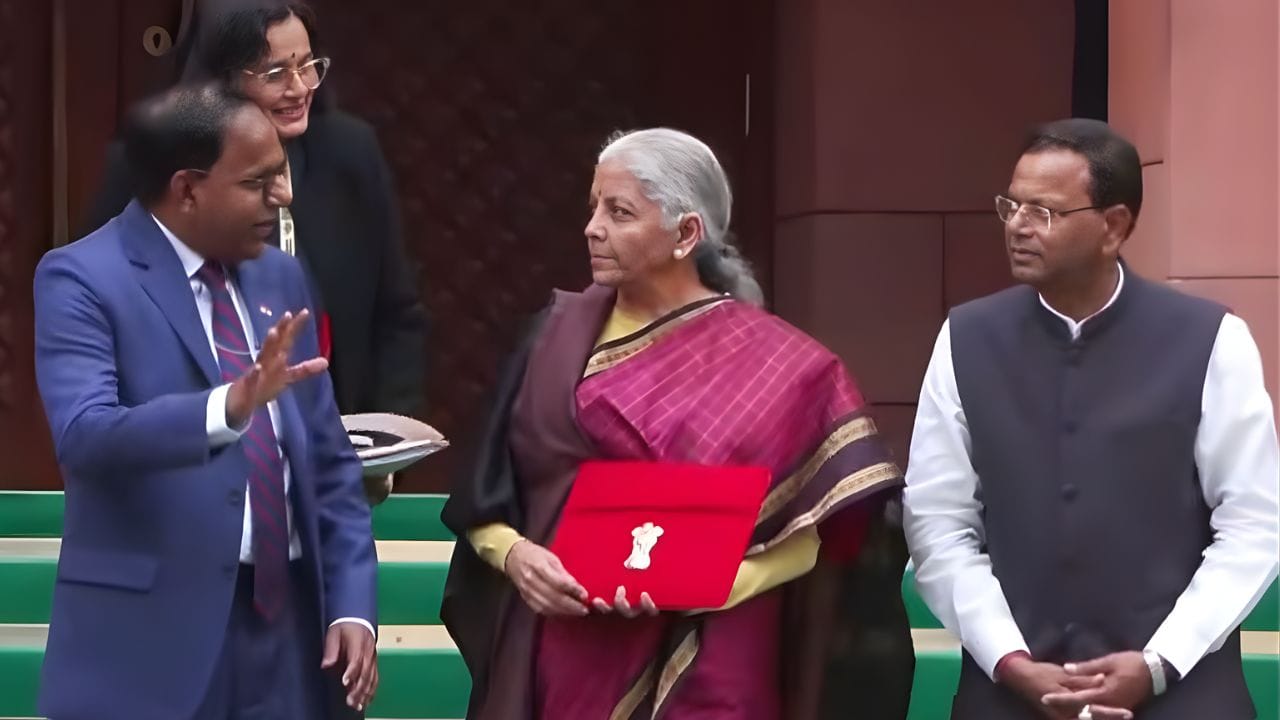
Budget 2026 ends with a quiet but deliberate bet on people
As Finance Minister Nirmala Sitharaman wrapped up her Budget 2026 speech, the subtext was louder than the numbers: India’s growth story is now being written through execution, employability and trust.
There were no dramatic giveaways in the closing minutes. Instead, the Budget chose to land on stability over spectacle—decriminalising minor compliance failures, easing tax anxiety for individuals and employers, and signalling that governance will increasingly reward honesty rather than punish error. It was a clear message to young professionals, founders and globally mobile talent: the system is learning to meet you halfway.
The final stretch of announcements reinforced a long arc—jobs through manufacturing and services, income security through exports, and dignity through simpler rules. From empowering small exporters and fishing communities to smoothing global work, travel and remittance pathways, the Budget closed by reaffirming that people are not an afterthought to growth—they are its infrastructure.
In commending the Budget to the House, the Finance Minister effectively set the tone for the year ahead: less noise, more follow-through. For employers, HR leaders and workers alike, Budget 2026 doesn’t promise instant relief—but it does promise a more predictable, less punitive, and more human economic environment in which to plan the future.
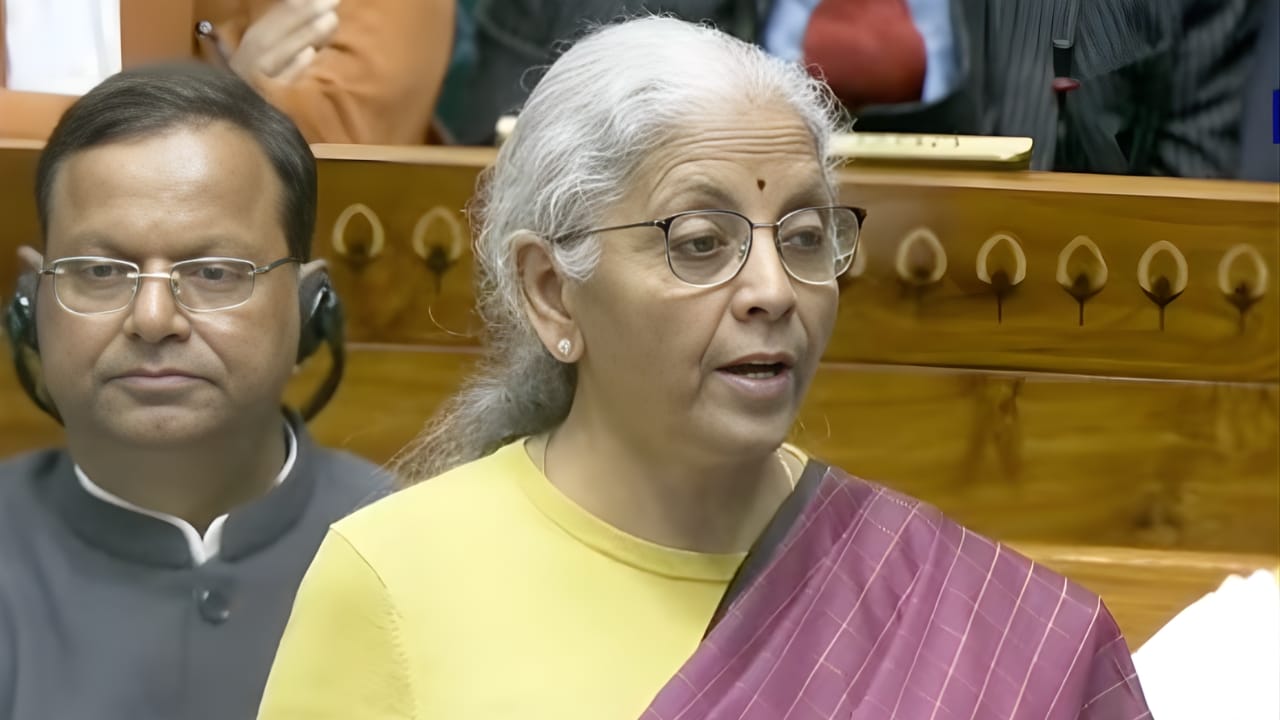
Major boost for small businesses and startups via e-commerce exports
Big boost for IT & tech services companies
-
All IT/ITeS/KPO/R&D services clubbed under one category
-
Safe Harbour margin fixed at 15.5%
-
Threshold raised from ₹300 crore to ₹2,000 crore
-
Safe Harbour approvals become fully automated
-
Valid for 5 years
-
Faster APAs (within 2 years)
Why it matters
-
Massive certainty for IT services, GCCs, tech employers
-
Reduces transfer pricing disputes
-
Improves hiring confidence and long-term planning
Relief for young professionals, NRIs
Continuing with direct tax reforms, Finance Minister Nirmala Sitharaman announced a series of measures aimed at reducing compliance anxiety for small taxpayers, including students, young professionals, tech employees and relocated NRIs. Non-audit business cases and trusts will now have additional time to file returns, with the deadline extended to 31 August, easing pressure on small enterprises and founders.
To address long-standing practical challenges around overseas income and asset reporting, the government proposed a one-time six-month foreign asset disclosure scheme. The scheme is targeted at two groups: taxpayers who failed to disclose overseas income or assets, and those who paid tax on overseas income but did not declare the associated assets.
For smaller undisclosed amounts—up to ₹1 crore—taxpayers can regularise their position by paying tax and an additional levy, in return for immunity from prosecution. A second category covers disclosures up to ₹5 crore, offering immunity from both penalty and prosecution on payment of a nominal fee.
The Budget also simplifies compliance in property transactions involving global mobility. TDS on the sale of immovable property by non-residents will now be deducted and deposited by the resident buyer using PAN-based compliance, removing the need for a separate TAN—an operational relief for HR teams supporting relocated employees and returning NRIs.
Further easing the compliance burden, the government announced a rationalisation of penalty and prosecution procedures, integrating assessment and penalty into a single order and reducing mandatory pre-deposit during appeals from 20% to 10%, calculated only on core tax. There will also be no interest liability on penalties during the appeal period, a move expected to improve ease of doing business and reduce prolonged tax disputes.
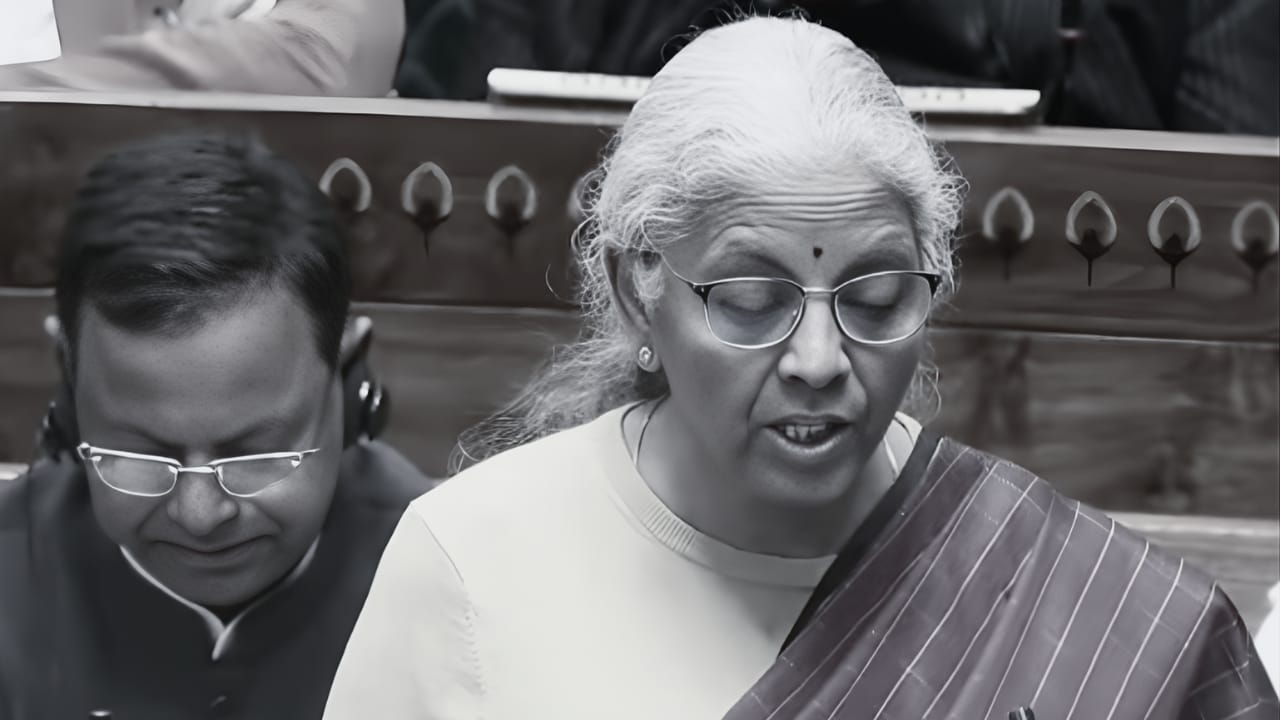
Direct tax reforms ease compliance for salaried employees and employers
Finance Minister Nirmala Sitharaman moved to Part B of the Budget with a clear push towards simplification, ease of living and compliance certainty, announcing that the new Income Tax Act, 2025 will come into effect from 1 April 2026, replacing the six-decade-old Income Tax Act, 1961.
Simplified tax rules and redesigned return forms will be notified shortly, with the stated intent that ordinary taxpayers can comply without professional assistance.
For salaried employees, several measures reduce friction rather than change rates. Interest awarded by Motor Accident Claims Tribunals to individuals will be fully exempt from income tax, with no TDS applicable. The government also cut TCS rates under the Liberalised Remittance Scheme—from 5% to 2%—for overseas education, medical treatment and tour packages, improving cash flow for families funding education or healthcare abroad.
For employers and HR teams, clarity on manpower taxation stood out. Supply of manpower services will now be explicitly treated as payment to contractors for TDS purposes, with tax deducted at 1% or 2%, removing long-standing ambiguity in staffing and outsourced workforce arrangements.
Compliance is further eased through automated lower or nil TDS certificates for small taxpayers, depositories directly handling Form 15G/15H for investors, and extended timelines for revising tax returns—giving both employees and payroll teams more flexibility and fewer disputes.
She Marks: Women-led enterprises move from livelihoods to ownership
Building on SHG success, the Budget proposes ‘She Marks’—community-owned retail outlets run by women.
This marks a shift from credit-linked livelihoods to enterprise ownership, with implications for:
-
Women’s workforce participation
-
Local employment generation
-
Retail, supply chain and cluster-level management roles
Foreign investment rules eased
Individual persons resident outside India will now be permitted to invest directly in equity through the Portfolio Investment Scheme, with the per-investor cap proposed to rise from 5% to 10% and the aggregate limit from 10% to 24%.
Over time, deeper foreign participation could also strengthen corporate governance and improve confidence in India as a long-term growth and employment destination.
Creative economy and future skills
The AVGC (animation, visual effects, gaming and comics) sector, projected to need 2 million professionals by 2030, receives a major skilling push.
Content creator labs to be set up in 15,000 secondary schools and 500 colleges, anchored by the Indian Institute of Creative Technologies, Mumbai.
This strengthens early talent pipelines for digital content, gaming, design and media roles.
Technology, AI and talent readiness
Continued backing for AI Mission, National Quantum Mission, National Research Fund and R&D Innovation Fund reinforces long-term demand for deep-tech talent, STEM skills and applied research roles.
Budget 2026 signals manufacturing-led growth and structured job creation
The Finance Minister announced a broad-based growth and reform agenda aimed at job creation, industrial expansion, and long-term economic stability, with direct implications for employers across manufacturing, services, MSMEs, and emerging technology sectors—and for employees seeking stable, future-ready work.
1. Manufacturing expansion to drive large-scale job creation
The government will scale up manufacturing across seven strategic and frontier sectors, signalling a clear intent to shift India’s growth engine towards high-value, employment-intensive industries. These sectors include biopharma, semiconductors, electronics components, chemicals, capital goods, textiles, and sports goods. For employers, this points to capacity expansion, new supply chains, and vendor ecosystems; for employees, it signals sustained hiring across skilled, semi-skilled, and shopfloor roles.
2. Biopharma push to create high-skill jobs
A new Biopharma Shakti programme, with an outlay of ₹10,000 crore over five years, aims to position India as a global hub for biologics and biosimilars. The plan includes new pharmaceutical institutes, upgraded research infrastructure, and 1,000 accredited clinical trial sites. This will expand demand for scientists, clinical researchers, regulatory professionals, manufacturing technicians, and quality specialists—while improving regulatory timelines through a strengthened drug approval system.
3. Semiconductor and electronics expansion to deepen skilled employment
The launch of India Semiconductor Mission 2.0 builds on earlier progress, with a focus on full-stack capabilities, domestic intellectual property, and supply chain resilience. The expanded electronics components manufacturing scheme, now raised to ₹40,000 crore, is expected to generate jobs in design, engineering, fabrication, testing, and equipment manufacturing, while pushing employers to invest more in technical training and workforce readiness.
4. Capital goods and infrastructure equipment to support industrial productivity
To strengthen domestic manufacturing of high-value capital goods, the government will establish high-tech tool rooms and launch schemes for construction and infrastructure equipment—ranging from elevators and firefighting equipment to tunnel-boring machines. This directly benefits employers in engineering, infrastructure, and heavy manufacturing, while creating demand for precision manufacturing skills, automation specialists, and industrial designers.
5. Textiles and labour-intensive sectors to see structured employment support
The Budget introduced an integrated textile programme covering natural and man-made fibres, cluster modernisation, handloom and handicraft support, sustainability, and skilling. New mega textile parks and an upgraded skilling ecosystem will support formal employment, particularly for women, rural workers, artisans, and youth, while helping employers modernise operations and comply with quality and sustainability standards.
6. MSMEs positioned as ‘champion enterprises’
A renewed focus on creating champion MSMEs links infrastructure execution, credit availability, and industrial clustering. Reviving 200 legacy industrial clusters through technology and infrastructure upgrades will improve cost competitiveness and efficiency. For employers, this reduces operational friction; for employees, it means more resilient local jobs and stronger regional labour markets, especially beyond large metros.
7. Compliance, skilling and long-term stability
Across sectors, the emphasis is on execution, regulatory clarity, and reduced compliance burden, rather than new schemes. The Budget reinforces the government’s intent to align skilling with actual industry demand, encourage industry–academic collaboration, and ensure long-term economic security. For HR leaders, this implies a gradual shift towards formalisation, skill-based hiring, and deeper workforce planning.
Growth, reforms and inclusion at the core of FM’s vision
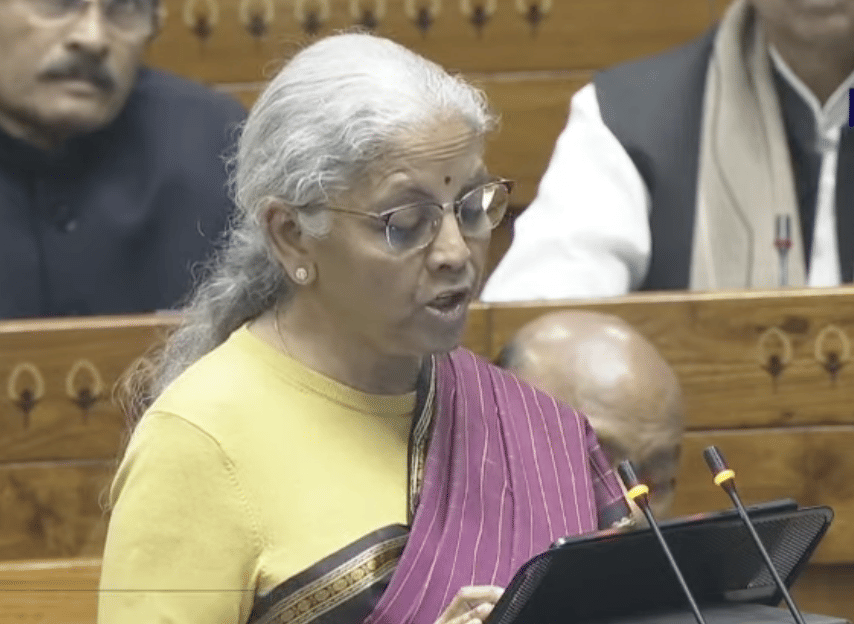
The Finance Minister outlined a growth strategy that places India’s economic expansion firmly within a volatile global context, marked by disrupted supply chains, resource constraints, and rapid technological change. Emphasising the importance of trade and multilateralism, she said India must remain deeply integrated with global markets, export more, and attract stable, long-term capital to sustain growth.
The government’s objective, she said, is to convert aspiration into achievement by ensuring that the dividends of growth reach farmers, youth, women, Scheduled Castes and Tribes, and other marginalised communities as India advances towards becoming one of the world’s largest economies.
At the core of the Budget’s economic philosophy is a three-fold ‘kartavya’ framework. The first is to accelerate and sustain economic growth by improving productivity, competitiveness and resilience amid global uncertainty. The second focuses on building people’s capacity, positioning citizens as active partners in India’s growth journey rather than passive beneficiaries. The third centres on inclusive access—ensuring that families, regions and sectors have the resources and opportunities needed for meaningful participation in economic progress.
This approach, the Finance Minister noted, reflects a balance between ambition and inclusion as India’s trade and capital needs expand.
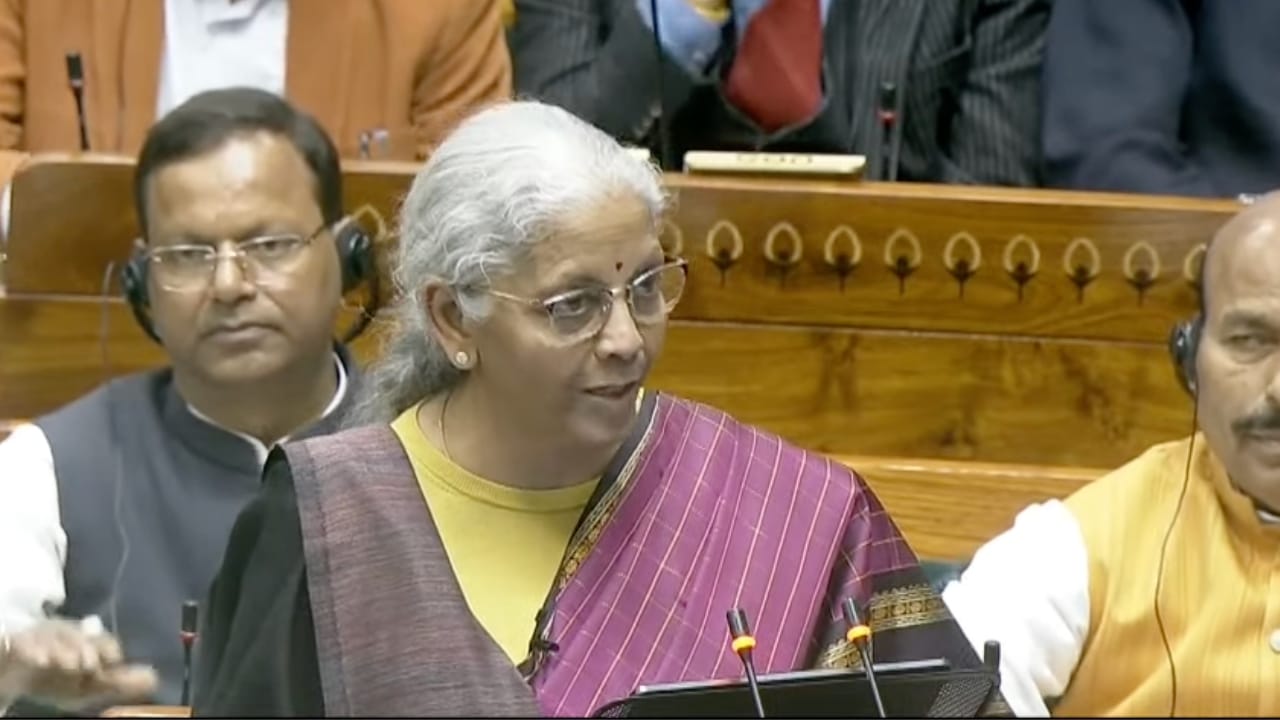
To support this agenda, the government reaffirmed its commitment to structural reforms, describing them as continuous, adaptive and forward-looking. Since the Prime Minister’s Independence Day address in 2025, more than 350 reforms have been rolled out, covering GST simplification, labour code notifications, and rationalisation of mandatory quality control orders.
The Finance Minister said these reforms are aimed squarely at job creation, productivity enhancement and growth acceleration, while reducing friction for businesses.
On compliance, the speech signalled a clear intent to ease regulatory burden and improve execution. High-level committees have been constituted to review compliance requirements, while the Centre is working with state governments on deregulation and simplification of approvals. The focus, she said, is not just on legislating reform but on ensuring consistent implementation across jurisdictions—an issue long flagged by employers and HR leaders.
The Finance Minister also highlighted the role of a robust and resilient financial sector in mobilising savings, allocating capital efficiently and managing risk, alongside the use of cutting-edge technologies, including AI, as force multipliers for governance and service delivery.
Together, these elements—growth, reform momentum and compliance rationalisation—form what she described as a “reform express” that will continue at pace to support India’s economic and workforce transformation.
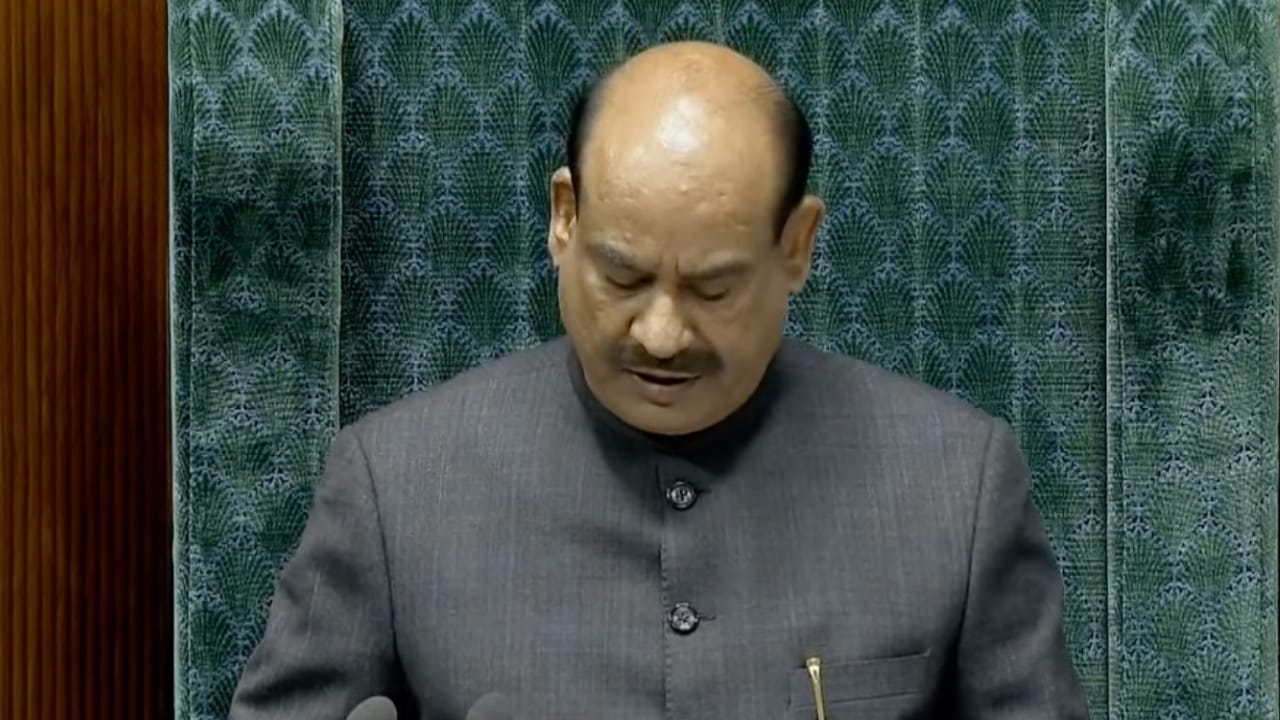
Union Budget 2026 speech starts at 11 am
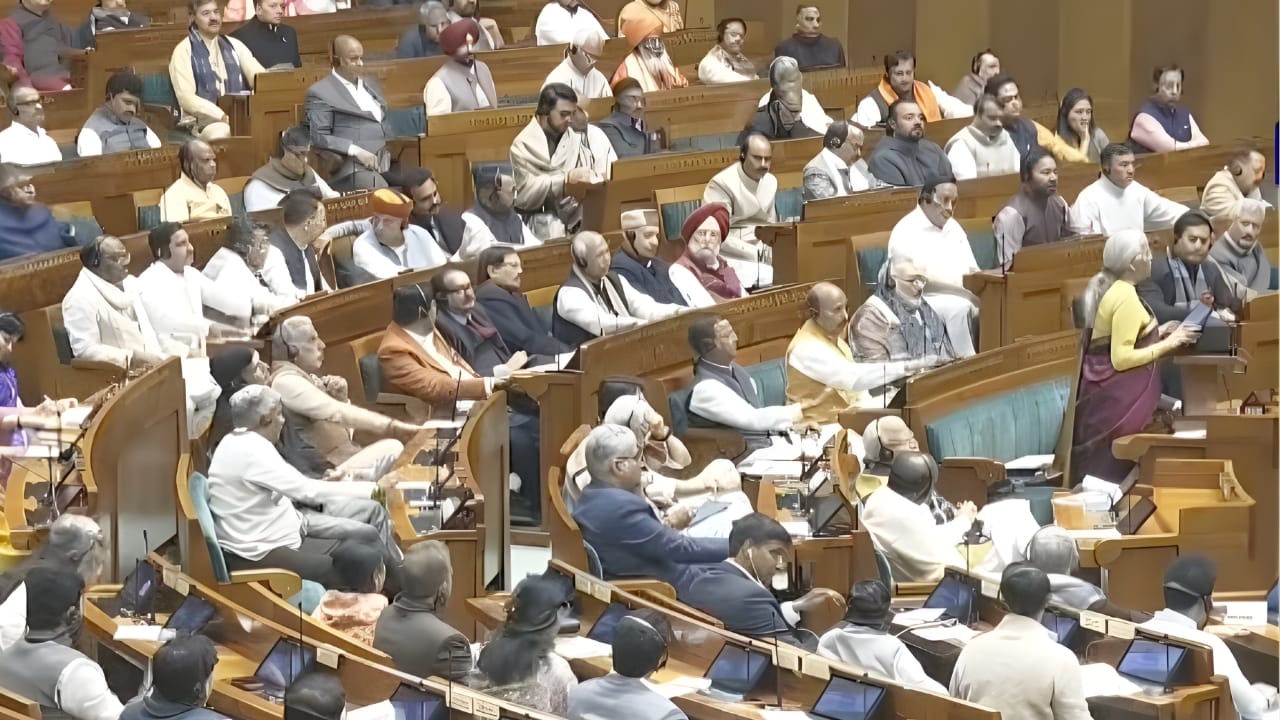
The Union Budget 2026–27 will be presented in the Lok Sabha today by Finance Minister Nirmala Sitharaman. The presentation will follow the usual parliamentary process despite being held on a Sunday, with proceedings taking place in Parliament’s central hall.
The Budget speech will be broadcast live on Sansad TV and DD National, with simultaneous digital streaming on official government platforms, including Sansad TV and PIB’s YouTube channels, as well as the national Budget portal.
Once the speech concludes, the government is expected to release the full set of Budget documents—detailed expenditure plans, tax proposals, and fiscal statements—providing employers and business leaders clearer visibility on policy direction for the year ahead.
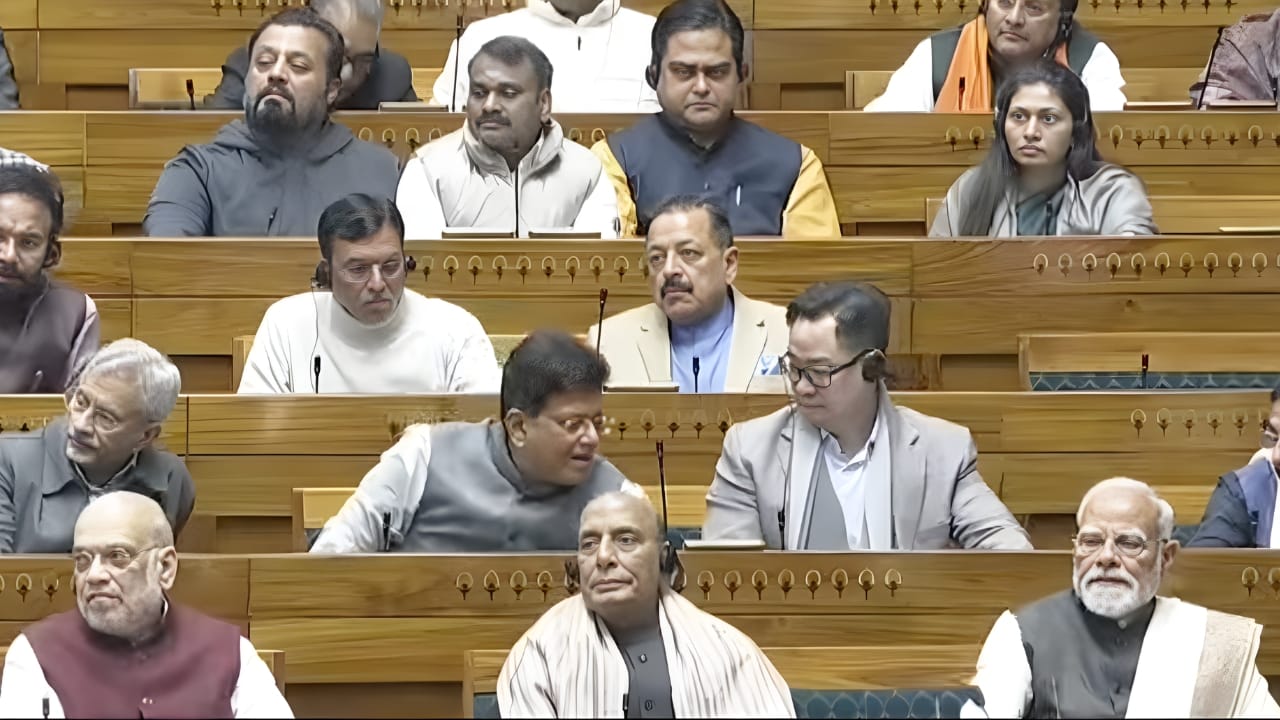
Why the Union Budget matters
The Union Budget is more than an annual statement of numbers—it is the government’s most powerful instrument for shaping economic direction, business confidence, and employment outcomes. It sets the framework for how public money will be raised and spent, signalling priorities on growth, welfare, infrastructure, and reform for the year ahead.
For businesses, the Budget provides policy certainty. Decisions on taxation, capital expenditure, credit support and regulatory reform influence investment plans, expansion timelines, and hiring confidence. A credible fiscal stance can lower borrowing costs and stabilise markets, while abrupt shifts can trigger caution across boardrooms.
For employees and jobseekers, the Budget shapes income, security and opportunity. Changes in tax slabs affect take-home pay; spending on infrastructure, manufacturing and services influences job creation; and allocations to skilling, social security and healthcare determine how resilient households are to economic shocks.
The Budget also plays a critical role in economic reform and governance. It is where structural reforms—such as labour codes, compliance simplification, digital infrastructure and sector-specific incentives—move from intent to implementation. Over time, these choices determine productivity, workforce formalisation and the quality of employment.
Finally, the Union Budget serves as a confidence signal to global investors. Its approach to fiscal discipline, trade, and capital flows affects how India is perceived as a long-term investment destination. In that sense, the Budget is not just about the coming year—it is a statement of how India plans to compete, grow and include its workforce in the years ahead.
Author
Loading...