







Leadership
Boardroom power struggle at HDFC Bank led to chairman’s exit: Report






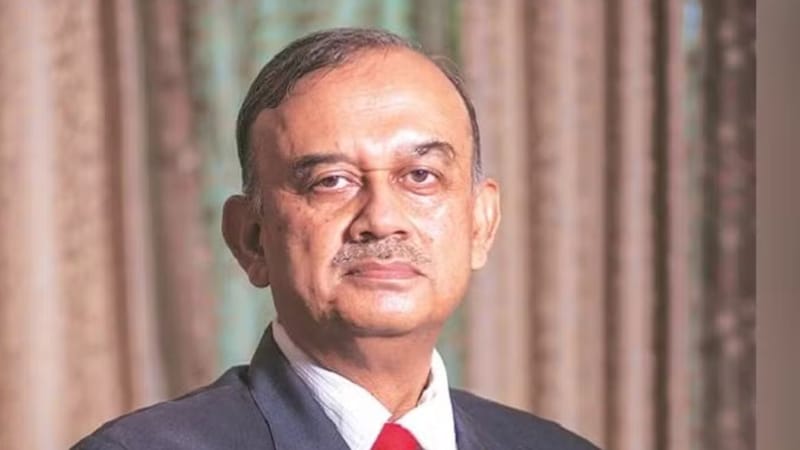
Atanu Chakraborty’s resignation as HDFC Bank chairman follows reported clashes with CEO Sashidhar Jagdishan over strategy and leadership.
HDFC Bank chairman Atanu Chakraborty stepped down last week following a boardroom power struggle with chief executive officer Sashidhar Jagdishan, according to a report by the Financial Times cited by Business Standard.
Chakraborty, who had served as non-executive chairman since 2021, cited “ethical differences” in his resignation letter. However, sources familiar with the matter indicated that the exit reflected deeper disagreements over leadership style, strategy and decision-making.
FLASHPOINT OVER CEO REAPPOINTMENT
A key point of contention was the proposed renewal of Jagdishan’s tenure as CEO, which requires regulatory approval.
According to the report, Chakraborty opposed extending the CEO’s term, while a majority of the board supported the move.
A senior banking industry executive said the chairman had reservations about continuing with the current leadership. Another source familiar with board discussions noted that disagreements over the CEO’s reappointment were central to the fallout.
The divergence exposed fault lines at the highest level of governance within India’s largest private sector bank.
STRATEGY AND DECISION-MAKING DIFFERENCES
The tensions were not limited to succession planning.
Differences between the two leaders reportedly date back to earlier strategic decisions, including plans involving subsidiary HDB Financial Services.
Jagdishan had supported selling a minority stake in the business to Mitsubishi UFJ Financial Group in 2024, while Chakraborty opposed the move. The proposal did not proceed, and the company was later listed instead, according to the report.
A shareholder cited in the report said the disagreements had been building over time rather than being triggered by a single issue.
CONTRASTING LEADERSHIP STYLES
The rift was also shaped by differences in leadership approach.
Chakraborty, a former senior finance ministry official, was described as assertive and hands-on in his role as chairman. Jagdishan, by contrast, rose through the ranks within HDFC and is viewed as more understated in style.
Some stakeholders noted that Jagdishan did not initially command the same authority as his predecessor Aditya Puri, who led the bank for over two decades.
A shareholder added that Jagdishan’s lower-profile leadership approach took time for senior executives to adjust to.
GOVERNANCE AND OVERSIGHT CONCERNS
Chakraborty’s active involvement in operational matters also became a point of friction.
Sources said he engaged closely in decisions such as promotions and staff interactions—an approach seen as unusual for a non-executive chairman.
While some insiders viewed this as overreach, others interpreted it as a more proactive governance stance, reflecting heightened scrutiny of internal processes.
Chakraborty is also understood to have raised concerns around compliance and internal accountability, at a time when the bank has faced regulatory scrutiny, including penalties related to know-your-customer norms and issues linked to the sale of Credit Suisse AT1 bonds.
BANK MOVES TO CONTAIN FALLOUT
Following the resignation, the Reserve Bank of India approved veteran board member Keki Mistry as interim chairman.
The bank has also appointed external legal firms to review the circumstances surrounding Chakraborty’s exit, according to the report.
Despite these steps, the management faced questions from investors and analysts regarding the sudden leadership change.
Mistry, addressing concerns, said differences at the board level do arise occasionally but maintained that there was nothing significant to worry about.
WHAT THIS MEANS FOR HDFC BANK
The episode has placed a spotlight on governance dynamics at one of India’s most closely watched financial institutions.
As People Matters has noted in its coverage of leadership and board transitions, differences between boards and executive leadership are becoming more visible, particularly in organisations navigating regulatory pressure and strategic shifts.
For HDFC Bank, the immediate priority will be restoring investor confidence while ensuring continuity in leadership.
The longer-term question is whether the bank can align its governance framework with its growth ambitions—without further friction at the top.
Topics
Author
Loading...