







Leadership
HDFC Bank chairman Atanu Chakraborty steps down, RBI names Keki Mistry interim chief






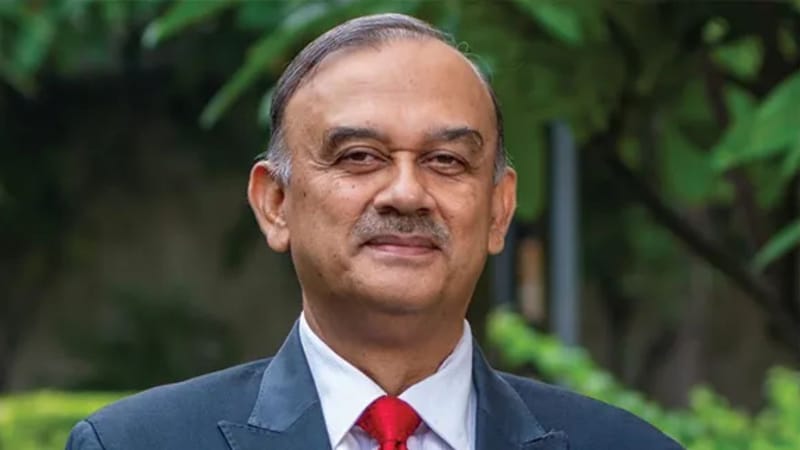
Exit citing “values and ethics” differences triggers interim leadership change at India’s largest private lender
HDFC Bank’s part-time chairman Atanu Chakraborty has resigned, citing differences over “values and ethics”, in a move that has raised fresh questions around governance at India’s largest private-sector lender.
In a resignation letter dated 17 March, Chakraborty said “certain happenings and practices within the bank… are not in congruence with my personal values and ethics,” without detailing specific concerns. The bank disclosed the development in a stock exchange filing late on Wednesday.
The Reserve Bank of India (RBI) has approved the appointment of Keki Mistry as interim part-time chairman for a three-month period starting 19 March, the bank said.
The abrupt exit comes despite Chakraborty being midway through his second term, which was set to run until May 2027. A former finance ministry official, Chakraborty was first appointed in April 2021 following regulatory approval and reappointed in 2024.
The resignation marks a rare instance of a senior board-level exit at a major Indian bank explicitly linked to ethical differences.
According to Reuters, US-listed shares of HDFC Bank fell around 7% after the announcement, reflecting investor concern over the circumstances surrounding the departure. The bank’s domestic shares had closed marginally lower before the disclosure.
Chakraborty, a 1985-batch IAS officer of the Gujarat cadre, previously served as Secretary of the Department of Economic Affairs and headed the Department of Investment and Public Asset Management. His appointment to HDFC Bank’s board was widely seen as reinforcing governance and regulatory alignment following leadership changes at the lender.
During his tenure, the bank completed its $40 billion merger with HDFC Ltd, creating one of the world’s largest financial services institutions. The deal significantly expanded HDFC Bank’s balance sheet and retail footprint, while also placing greater scrutiny on governance and integration practices.
However, Chakraborty’s letter suggests underlying concerns that may have developed over time. He noted that the issues he observed spanned the past two years, adding that there were no other material reasons for his resignation beyond those cited.
The bank has not provided further details on the practices referenced in the letter. Chakraborty could not be immediately reached for comment, according to media reports.
The RBI’s swift approval of an interim chairman indicates a move to ensure continuity at the top, particularly at a time when the bank is navigating post-merger integration and regulatory oversight.
Governance stability has been a key focus for HDFC Bank in recent years, especially following its leadership transition from long-time CEO Aditya Puri to current chief executive Sashidhar Jagdishan. The lender has also been under periodic regulatory scrutiny, including past restrictions on digital launches imposed by the RBI.
Market participants are likely to watch closely for any further disclosures or regulatory commentary that may clarify the nature of the concerns raised.
For now, the episode underscores the delicate balance between rapid scale, integration complexity, and governance expectations in India’s evolving banking landscape.
As the bank transitions to interim leadership, the focus will shift to whether this remains an isolated board-level disagreement or signals deeper structural concerns—a question that could shape investor sentiment in the months ahead.
Topics
Author
Loading...