







Leadership
Kumar Mangalam Birla takes charge as Vodafone Idea chairman, Ravinder Takkar steps down






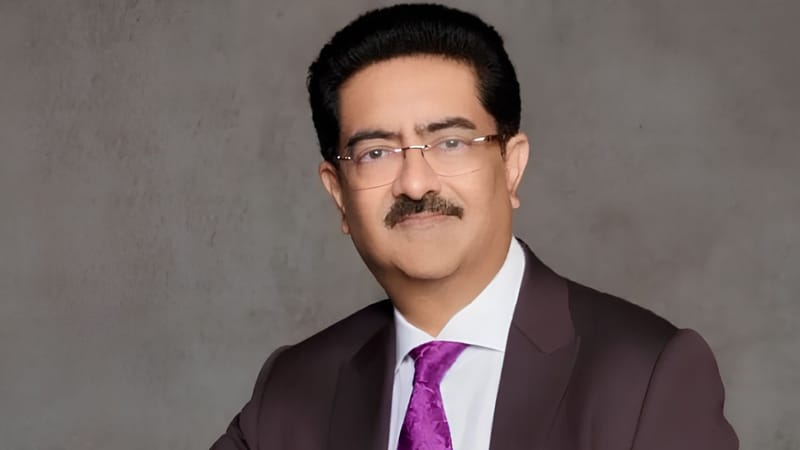
The telecom operator has reshaped its board leadership as it continues efforts to strengthen operations, expand network investments and stabilise its market position.
Vodafone Idea Limited has appointed Kumar Mangalam Birla as its Non-Executive Chairman, marking a significant leadership transition at the telecom operator as it continues efforts to strengthen operations and improve long-term market positioning.
The appointment took effect from May 5, 2026, following approval by the company’s Board of Directors.
The development comes after Ravinder Takkar stepped down from the role of Non-Executive Chairman. He will continue on the board as a Non-Executive Director and has been appointed Non-Executive Vice Chairman with immediate effect.
Leadership changes disclosed through regulatory filing
Vodafone Idea disclosed the board-level changes through filings submitted to the National Stock Exchange of India and BSE Limited under Regulation 30 of the SEBI (Listing Obligations and Disclosure Requirements) Regulations, 2015.
According to the company, both appointments and role transitions became effective from May 5. Key details announced by Vodafone Idea include:
- Kumar Mangalam Birla appointed Non-Executive Chairman
- Ravinder Takkar stepped down as Non-Executive Chairman
- Takkar to continue as Non-Executive Vice Chairman and board member
- Changes approved by Vodafone Idea’s Board of Directors
- Appointments disclosed under SEBI listing regulations
The company also confirmed that both Birla and Takkar are existing directors and that there are no inter-se relationships between them or other members of the board.
Transition comes amid telecom revival efforts
The leadership change comes at an important stage for Vodafone Idea as the company continues efforts to stabilise operations, improve network quality and strengthen its competitive position in India’s telecom market.
The telecom operator has been working through financial pressures linked to debt obligations, adjusted gross revenue dues and continued competition within the industry.
At the same time, Vodafone Idea has been pursuing operational recovery through network investments and capital expenditure programmes.
According to remarks cited by The Economic Times, Kumar Mangalam Birla said India’s telecom opportunity remained “deeply compelling” and aligned with the government’s Digital India vision.
“The revival of Vodafone Idea reflects a clear intent to sustain a healthy three-player private market, reinforced by the commitment of over 10,000 employees and the continued trust of nearly 200 million consumers,” Birla reportedly said.
Network investment remains central to strategy
Birla also indicated that Vodafone Idea’s operational metrics were beginning to improve.
“This momentum is supported by a significant capital expenditure programme of approximately $5 billion,” he was quoted as saying.
The company has been focusing on expanding network coverage, strengthening subscriber retention and improving service quality as it competes with larger telecom rivals.
Industry observers continue to monitor Vodafone Idea’s ability to sustain investments while improving financial stability and subscriber growth.
Ravinder Takkar to continue in vice-chairman role
Ravinder Takkar’s continuation on the board as Non-Executive Vice Chairman provides continuity within Vodafone Idea’s leadership structure during the transition.
Takkar has played a significant role in steering the company through a period marked by fundraising efforts, regulatory challenges and operational restructuring.
The latest board changes place Kumar Mangalam Birla more directly at the centre of Vodafone Idea’s governance structure as the telecom operator seeks to strengthen investor confidence and sustain its long-term recovery plans.
Vodafone Idea said the leadership changes have been formally communicated to stock exchanges for dissemination to stakeholders.
Topics
Author
Loading...