







Leadership
Volvo Cars announces leadership change, names Klaus Zellmer as future CEO






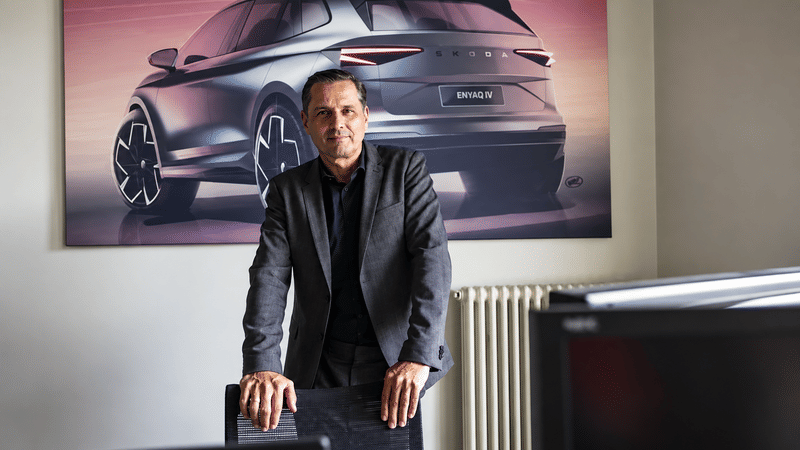
Swedish automaker taps Skoda chief Klaus Zellmer to lead its next phase of growth amid market pressures and an industry-wide transition.
Volvo Cars has named Klaus Zellmer, the current chief executive of Volkswagen-owned Skoda, as its future president and CEO, marking a significant leadership transition as the Swedish automaker works to revive sales and improve profitability in a challenging global market.
According to Reuters, Zellmer will assume the top role no later than 1 October 2027, succeeding Hakan Samuelsson, who was reappointed in 2025 to help steer the company through a difficult operating environment.
The leadership announcement comes at a time when Volvo is navigating weaker electric vehicle demand, rising development costs and the impact of international tariffs.
Veteran automotive executive selected for next chapter
Zellmer brings more than three decades of automotive industry experience to the role. Most recently, he has served as CEO of Skoda, one of Volkswagen Group’s key brands.
In a statement cited by Reuters, Volvo Cars Chairman Li Shufu said Zellmer had demonstrated a strong ability to guide organisations through periods of transformation and shifting market conditions.
The appointment establishes a clear succession plan as Volvo prepares for a multi-year strategy focused on expanding its model lineup and strengthening its global position.
Key leadership details
- Klaus Zellmer will become Volvo Cars president and CEO no later than 1 October 2027
- He currently serves as CEO of Skoda
- Zellmer has more than 30 years of automotive industry experience
- He will succeed Hakan Samuelsson, who returned as CEO in 2025
Automaker faces mounting market challenges
The leadership transition arrives as Volvo Cars confronts a range of commercial and operational pressures.
The company, majority-owned by China's Geely Holding, has struggled to meet earlier profitability targets due to weaker EV demand, tariff-related challenges and elevated development spending, Reuters reported.
Volvo's shares have remained near record lows and have fallen more than 45% this year, reflecting investor concerns about growth prospects and market conditions.
The company is also dealing with slower sales in both the United States and China, two of its most important markets.
Volvo is attempting to balance Western and Chinese technology operations while maintaining access to key international markets amid rising geopolitical and trade pressures.
Product expansion remains central to strategy
Only days before announcing Zellmer's appointment, Volvo outlined an ambitious growth plan during its strategy day event.
According to Reuters, Samuelsson said the automaker intends to launch 13 new vehicles by 2030, with the goal of doubling Volvo's market share over the decade.
While overall sales remain under pressure, the company has reported stronger-than-expected demand for its flagship EX60 electric SUV.
Volvo has also been adjusting its manufacturing footprint to reduce exposure to tariffs and improve supply chain flexibility.
Recent strategic initiatives
- Launch of 13 new models planned by 2030
- Expansion aimed at doubling market share
- Production of the hybrid XC60 being moved to South Carolina
- Output of the EX30 being increased at Volvo's Belgium facility
- Continued efforts to adapt operations to changing trade conditions
Focus shifts to long-term execution
The incoming leadership change provides Volvo with a defined roadmap as it seeks to stabilise performance and accelerate growth.
With sales under pressure in major markets and competition intensifying across the automotive sector, Zellmer will inherit a company pursuing expansion while adapting to changing demand patterns, tariff risks and the evolving electric vehicle landscape.
Topics
Author

Loading...