







Leadership
Wells Fargo CEO says bank’s workforce will shrink further - Here’s why






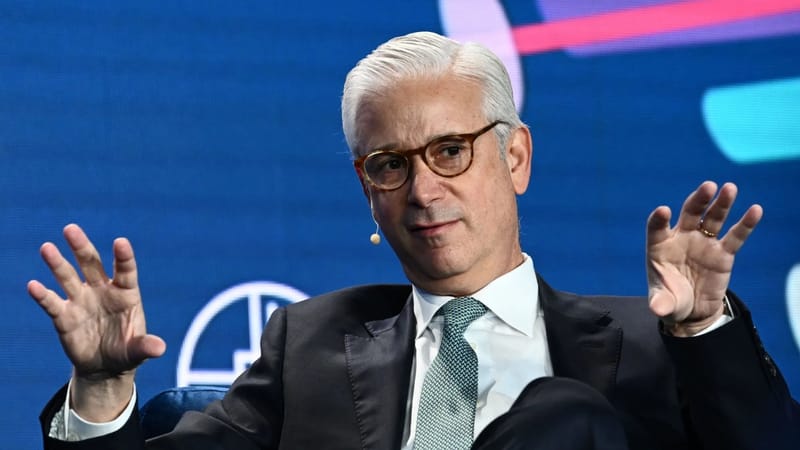
Charlie Scharf says Wells Fargo’s workforce will continue to shrink as automation and efficiency measures reshape the US lender.
Wells Fargo Chief Executive Charlie Scharf said the bank’s workforce is likely to shrink further as it pushes ahead with efforts to streamline operations and deploy artificial intelligence, Reuters reported.
Scharf told the outlet that the lender would seek to achieve most reductions through natural attrition, describing the changes as part of a broader drive to reduce bureaucracy and improve efficiency.
“When I joined in 2019, we had about 275,000 employees. We’re a little over 210,000 today,” he said. “It’s likely we’ll have less headcount as we look forward ... we’d like to do much of it through attrition as possible.”
Speaking at a conference in New York, Scharf noted that technology—particularly artificial intelligence—would inevitably reduce staffing levels. “Anyone who sits here today and says they don’t think they’ll have less headcount because of AI either doesn’t know what they’re talking about or isn’t being totally honest about it,” he said.
The comments come as Wells Fargo, the fourth-largest US bank by assets, seeks to rebuild profitability and reputation following years of regulatory scrutiny. The Federal Reserve lifted a $1.95 trillion asset cap on the bank earlier this year, ending a seven-year sanction imposed after its fake-accounts scandal.
With the cap now removed, Scharf said the bank’s balance sheet—exceeding $2 trillion—can once again support growth across checking accounts, deposits, and lending. “We now can grow every one of our businesses, utilising the balance sheet,” he told Reuters.
Despite this new flexibility, Scharf emphasised there was “no pressure to do any M&A whatsoever”. However, he acknowledged the bank could consider selective acquisitions “at the right price” in areas such as payments or wealth management, where Wells Fargo wants to strengthen its competitive edge.
In October, the bank’s shares rose after quarterly earnings exceeded expectations and management raised its medium-term target for return on tangible common equity to 17–18%, up from 15%. Analysts said the improved outlook underscored progress in simplifying the bank’s structure and improving capital efficiency.
Scharf has repeatedly said his long-term goal is for Wells Fargo to become the leading US consumer and small-business bank, as well as a top-five investment bank. The latest comments suggest that cost discipline—and automation—will remain central to that plan.
The combination of AI-driven process changes, post-cap expansion freedom, and a renewed efficiency push could reshape Wells Fargo’s workforce and operating model in the coming years. For now, the bank appears determined to balance growth ambitions with sharper execution and lower costs.
As Scharf put it, “Headcount is the outcome of conversations about inefficiency. We have way too many processes that don’t add value—and that’s what we’re fixing.”
Topics
Author

Loading...