







Organisational Culture
Peyush Bansal denies Lenskart bans on bindi, tilak after social media row






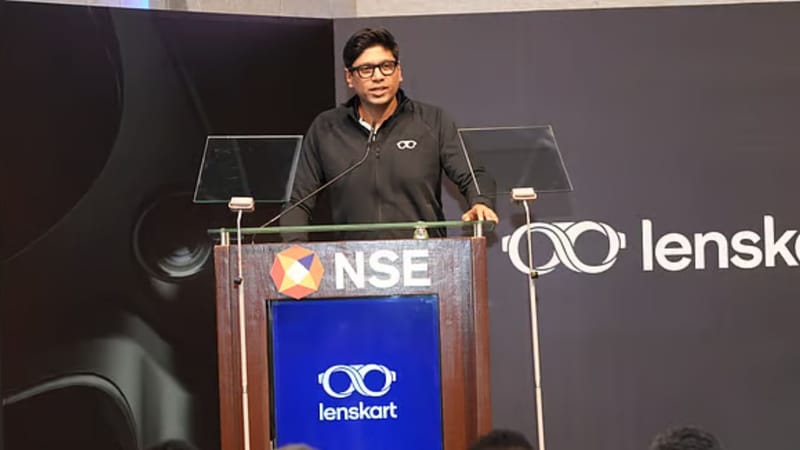
Peyush Bansal rejects circulation of alleged grooming policy, says company has no curbs on religious expression amid social media backlash.
Lenskart founder and chief executive Peyush Bansal has denied claims circulating on social media that the eyewear retailer restricts employees from wearing religious symbols such as bindi and tilak, following a viral post that triggered widespread online debate.
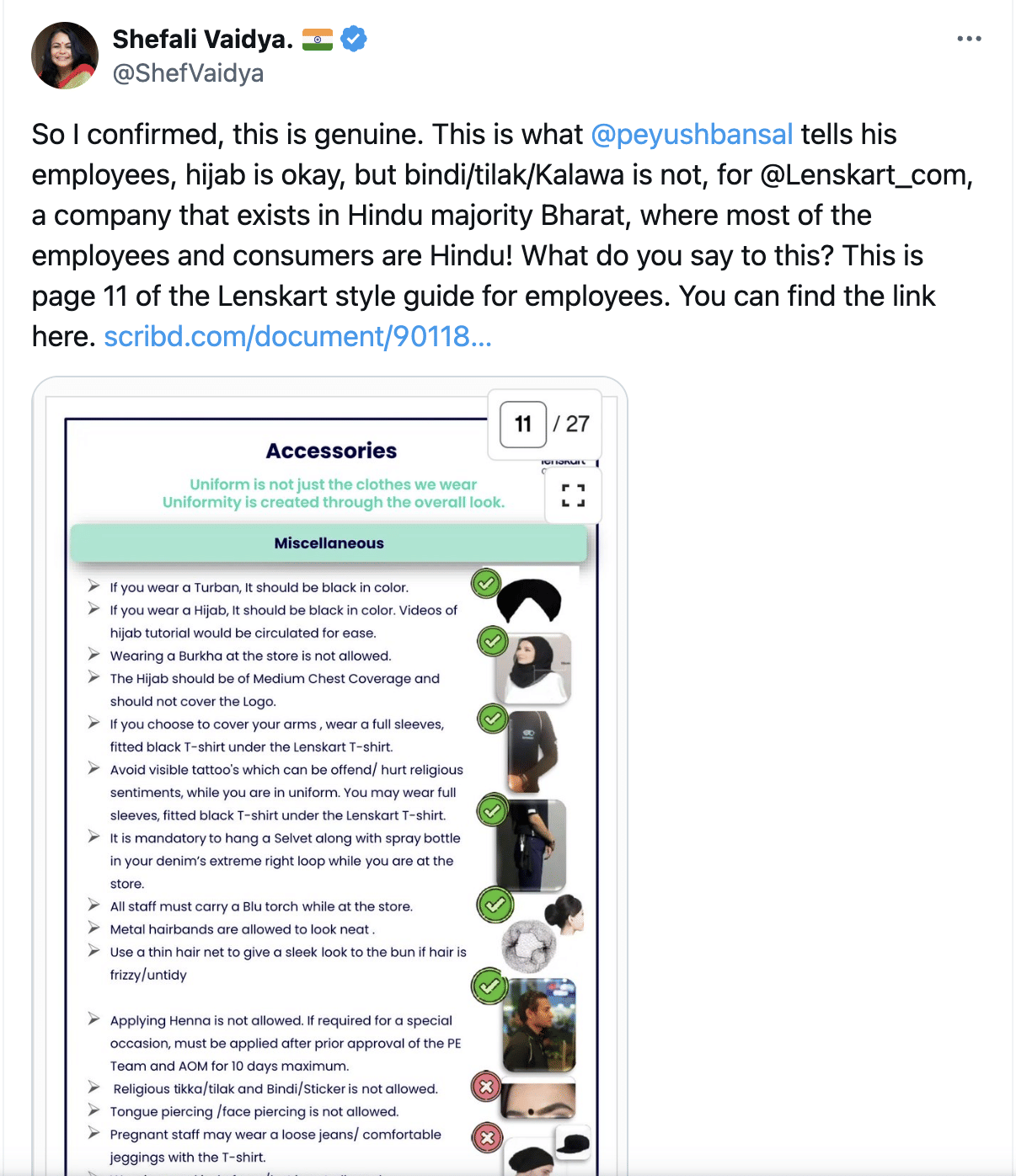
The clarification comes after a screenshot purportedly showing the company’s grooming policy spread widely online, prompting accusations that its workplace rules treated different forms of religious expression inconsistently.
Viral post sparks online backlash
The controversy escalated after writer Shefali Vaidya shared the screenshot on X, questioning what she described as alleged differences in how religious symbols were treated under Lenskart’s internal guidelines, according to the post.
The message quickly drew strong reactions from users, with several posts criticising the alleged policy and raising concerns over fairness in workplace standards. Some users claimed the rules reflected “double standards”, while others said they would avoid purchasing from the brand, as seen in responses circulating on the platform.
The claims, however, were based on an unverified document shared online and not independently confirmed.
CEO clarifies company policy
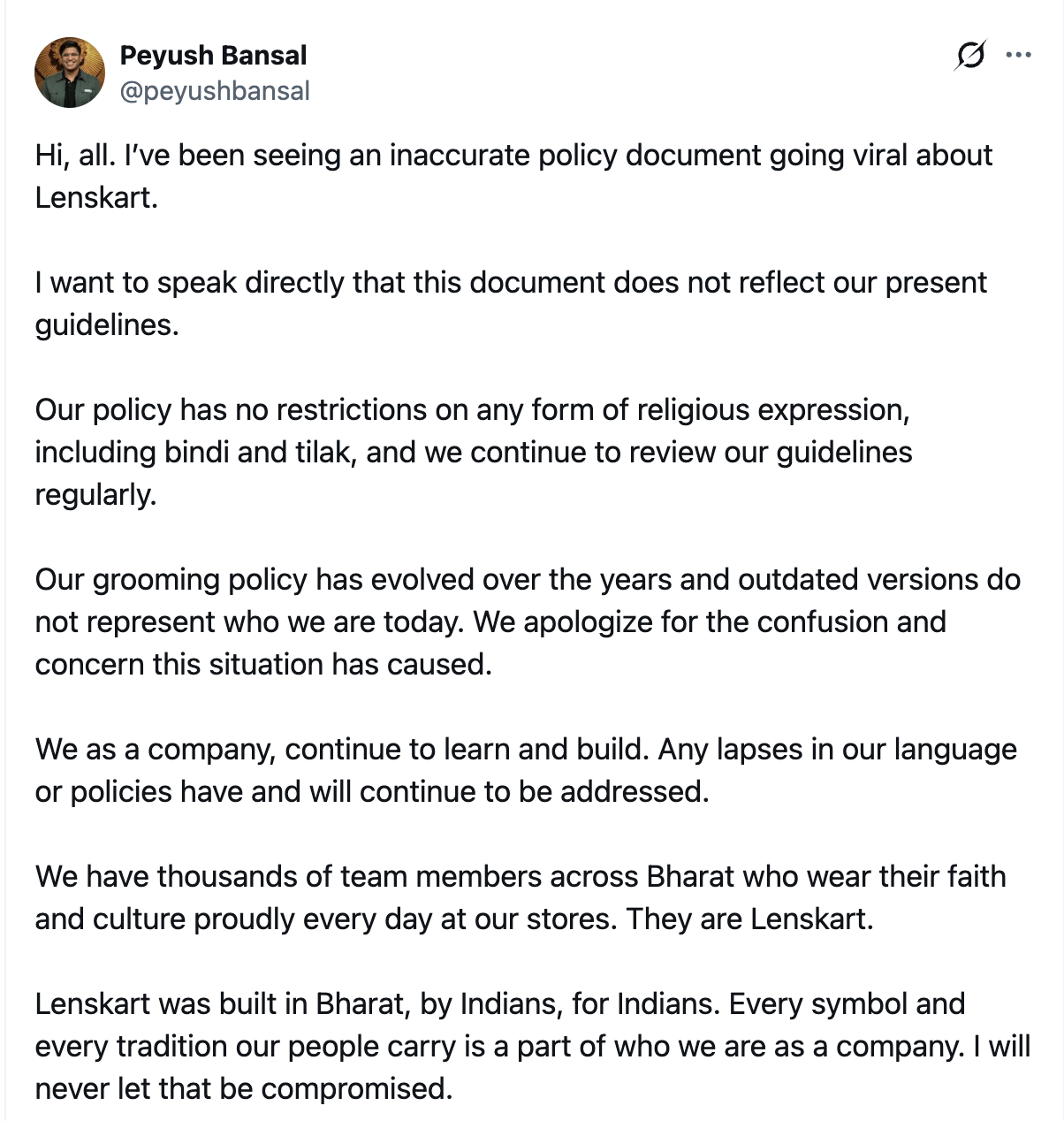
Responding on X, Bansal said the document being circulated does not reflect the company’s current guidelines.
“Our policy has no restrictions on any form of religious expression, including bindi and tilak, and we continue to review our guidelines regularly,” he wrote, rejecting the claims.
He added that the company’s grooming policy has evolved over time and that outdated versions should not be seen as representative of current practice.
“Our policy has evolved over the years and outdated versions do not represent who we are today,” he said, adding that any confusion arising from the incident was regretted.
Emphasis on inclusion and workplace culture
In his post, Bansal also stressed that employees across Lenskart’s operations express their faith and culture freely at the workplace, describing it as part of the company’s identity.
He said the company continues to evolve its internal policies and reiterated that it would not support restrictions on religious expression among employees.
The statement positioned the firm as seeking to contain reputational spillover from the viral claims while reaffirming its stance on workplace inclusivity.
The episode reflects a wider pattern of Indian consumer brands facing rapid reputational scrutiny on social media, where internal documents or screenshots often circulate without verification and quickly escalate into public controversies.
For Lenskart, the clarification appears aimed at closing the loop on the viral narrative, even as online debate around the issue continues to circulate.
The company has not indicated any formal policy change in response to the incident, maintaining that current guidelines already permit religious expression.
Topics
Author
Loading...