







Talent Management
EazyDiner’s Kapil Chopra on why customer centricity is a people imperative





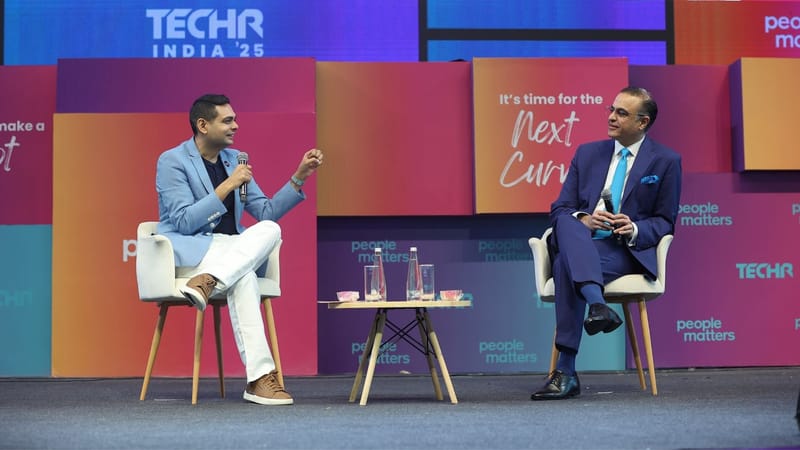
Kapil Chopra, Founder of EazyDiner and The Postcard Hotel, emphasises that customer-centricity must be embedded in an organisation’s DNA.
At Day 2 of People Matters TechHR India 2025, Kapil Chopra, the founder of EazyDiner and The Postcard Hotel, took the stage in a fireside chat with People Matters' CEO Pushkar Bidwai to challenge the understanding of customer-centricity. His powerful message: Customer centricity isn’t a strategy; it’s the DNA of your organisation.
Chopra, who comes from a middle-class background, always dreamt of becoming an entrepreneur. Books were a significant influence in his life, especially Jeff Bezos’ insights on minimising regret. “I didn’t want to look back and feel I never built a global hospitality brand out of India,” he said. That mindset laid the foundation for two of India’s most dynamic ventures in the hospitality and dining tech sectors.
He reflected on how EazyDiner, which now works with 22 banks, taught him valuable lessons in speed, scale, and talent. The learnings from scaling 37 hotels in just 10 years; the fastest ramp-up in global hospitality in a century, fueled the growth of The Postcard Hotel, which today operates across multiple geographies and focuses on both local and global talent pools.
Customer centricity begins with people
For Chopra, customer centricity is deeply intertwined with how an organisation treats its people. “If we can make excuses for customers, why not for employees?” he questioned. He stressed that empowering and trusting employees is what ultimately leads to an exceptional guest experience.
Drawing inspiration from Oberoi Hotels, where customer-centricity was more than just a philosophy; it was practiced daily, he said, “Customer centricity and leadership by example go hand in hand.”
The Postcard Hotel’s guest-first approach was born from real insights. “We filtered out the top hotel complaints globally and found that check-in/check-out rigidity and limited breakfast hours were recurring issues.” In response, his properties offer check-in and check-out when customers want, breakfast when they wake up, and a thoughtful welcome drink; seemingly small gestures that became pillars of the brand’s philosophy.
The talent crisis in hospitality
Chopra didn’t shy away from addressing the looming crisis in hospitality talent. “Companies need to make choices that are challenging enough to matter,” he warned. “The real crisis isn’t just talent shortage; it's the lack of investment in people.”
He argued that the tech industry has shown India the way by leveraging intellectual capital over legacy capital. “The hospitality industry must follow suit. Talent is sinking, and this isn’t just about reskilling. If you're above 45, you should be worried; it’s an exploratory phase, and AI will disrupt 80% of jobs.”
Chopra is a firm believer that wealth must be shared with those who create it. “People working in the hospitality industry work long hours, get paid less, and receive no equity. That needs to change. We must create a culture of ownership and reward.”
Creating opportunities and building for India
Beyond customers and employees, Chopra is passionate about community upliftment. The Postcard Hotel runs programs to make members of India’s tea tribes employable in hospitality and celebrates local cuisine; like tikli petha; to showcase India's rich culinary heritage.
With repeat rates over 70%, The Postcard Hotel proves that exceptional service built on trust, empowerment, and local flavour resonates globally. “India must become a beacon of hospitality, and that starts by investing in people—not just as resources, but as co-creators of the customer experience.”
Topics
Author
Loading...
Loading...