







Performance Management
TCS employees lose key route to promotions as firm pauses upskilling programme





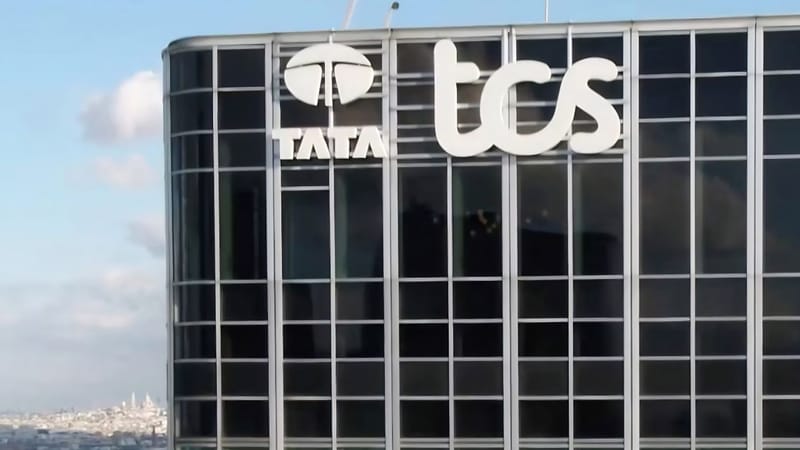
Tata Consultancy Services has deferred parts of its Wings learning and assessment initiative as the company aligns workforce development with AI-first business priorities, triggering concerns around promotions, salary growth and career progression.
Tata Consultancy Services has paused key components of its internal upskilling and assessment programme Wings, disrupting what many employees had increasingly come to see as a major pathway to promotions, salary hikes and access to higher-paying digital roles.
According to an internal communication reviewed by Moneycontrol, the company informed employees that “Unit Evaluations (including PP4 validations) and assessments” under the programme would remain deferred until further notice.
TCS said the move is part of a broader effort to realign the programme with the company’s AI-first operating strategy, evolving deployment models and changing business requirements.
The development comes at a sensitive moment for employees, arriving shortly after the company rolled out lower salary hikes, revised compensation structures and reduced variable pay payouts in some cases.
AI transition reshapes employee learning priorities
In the internal communication cited by Moneycontrol, TCS said the temporary pause would allow the company to reassess and refine the programme to ensure learning outcomes remain aligned with future-ready business capabilities.
The company has increasingly shifted focus towards AI-led delivery models, workforce redeployment and productivity improvements as generative AI reshapes the global IT services sector.
Industry experts say such changes are becoming more common across large technology firms as companies move away from broad certification-led skilling towards role-specific capability building linked directly to business outcomes.
Key changes linked to the Wings deferment include:
• Pause on certain unit evaluations and assessments
• Review of programme alignment with AI-first strategy
• Reassessment of deployment and skill requirements
• Focus on future-ready capabilities and business outcomes
• Potential shift towards role-based learning models
Some employees cited in the report said parts of the programme continued operating within select business units, suggesting implementation may vary across teams and verticals.
From learning initiative to career growth mechanism
Originally designed as an internal upskilling framework, Wings gradually evolved into something far more significant for many TCS employees.
According to people familiar with the programme, Wings1 primarily targeted entry-level employees, especially those hired under lower salary bands.
Employees who successfully cleared assessments and digital milestones could significantly improve compensation trajectories and internal career opportunities.
Wings2 was aimed at mid-level and senior employees and became linked to:
• Salary increases
• Additional allowances
• Internal progression opportunities
• Access to digital and higher-value roles
• Career advancement within specialised technology tracks
Over time, many employees began viewing the programme not just as a training initiative, but as an informal growth engine within the organisation.
That perception explains why the deferment has generated anxiety across employee groups.
Several employees reportedly questioned whether the pause is temporary or part of a deeper restructuring linked to TCS’s evolving workforce strategy around AI and automation.
Employee concerns grow after compensation changes
The pause also follows a series of compensation-related changes that have already triggered concern among sections of employees.
TCS recently introduced lower salary hikes and revised payout structures, while some performance-linked variable payments were tied to attendance and work-from-office metrics.
The company’s broader AI-led transformation has intensified focus on productivity optimisation and workforce deployment efficiency across delivery teams.
As generative AI adoption accelerates across the IT services industry, companies are increasingly reassessing how employees are trained, evaluated and redeployed.
Industry analysts say traditional certification-heavy learning systems may gradually give way to more targeted capability-building models tied directly to client demand and AI-enabled delivery structures.
That transition, however, could also alter long-standing employee expectations around career progression and internal mobility.
IT sector faces broader workforce reset
The changes at TCS reflect a wider shift underway across India’s technology services sector, where AI is beginning to reshape workforce structures, project delivery models and skilling priorities.
Large IT firms are increasingly investing in AI-focused talent, automation capabilities and productivity-led operating models while simultaneously tightening spending in other areas.
For employees, that is changing the relationship between learning and career growth.
Programmes once viewed as reliable routes to promotions and salary progression are now being recalibrated against evolving business priorities and AI-driven operational demands.
The deferment of Wings assessments may therefore signal more than a temporary operational pause. It highlights how India’s largest IT employers are beginning to redesign workforce development itself in response to the growing influence of generative AI.
Topics
Author
Loading...