







Recruiting & Onboarding
Boeing boosts weekly hiring as aerospace demand drives production expansion






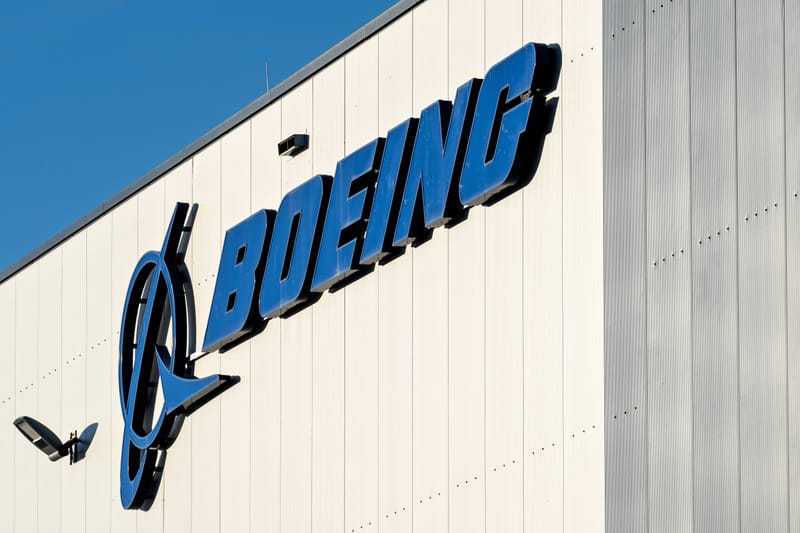
Jetmaker steps up factory recruitment to support higher output, new lines and retirements amid sustained aerospace demand.
Boeing is ramping up factory hiring to its fastest pace in over a year, adding more than 100 workers a week as it scales production and prepares for new programmes.
The US planemaker is recruiting between 100 and 140 factory workers weekly, a move aimed at replacing retirees and supporting higher production rates across key aircraft lines. The hiring push signals a more sustained workforce build after years of volatility triggered by the pandemic and earlier production disruptions.
Workforce expands as production lines scale up
The company’s unionised workforce in the Pacific Northwest has crossed 34,000 and is expected to grow further, Jon Holden of the International Association of Machinists and Aerospace Workers told Reuters. The union had represented about 33,000 Boeing workers in the region in 2024.
Holden said Boeing is staffing a fourth Seattle-area production line, known as the North Line, for its 737 MAX jets while also supporting work on the 777X programme, which is still awaiting certification.
The hiring is not limited to assembly roles. It spans logistics, tooling, storage and transportation functions that underpin manufacturing operations. “It’s not just those working on the North Line,” Holden told Reuters, pointing to the broader ecosystem required to sustain output increases.
A Boeing spokesperson told Reuters the company is seeing strong interest from candidates as it hires across the Puget Sound region and wider operations to match rising production targets.
Demand recovery reshapes hiring priorities
The hiring surge reflects a broader recovery in aerospace demand. Airlines are placing orders for more fuel-efficient aircraft, while defence spending and space programmes are expanding amid geopolitical tensions, Reuters reported.
Boeing is also investing beyond commercial aviation. The company said it plans to increase satellite production capacity and target 26 satellite deliveries in 2026, up sharply from four in 2025.
Employment data underscores the rebound. Aerospace manufacturing jobs in Washington state, which had dropped to around 79,000 in August last year, recovered to 81,800 by February, according to the state’s Employment Security Department.
Talent shortages persist across the industry
Despite the hiring momentum, the sector continues to grapple with a shortage of skilled workers. The gap has persisted since the pandemic, when many workers exited the industry and did not return as operations resumed.
Only about 75 per cent of US aviation mechanics with Federal Aviation Administration licences come through specialised training schools, increasing reliance on apprenticeships and lateral hiring from other industries.
Boeing is expanding its apprenticeship programmes to address this gap. Holden said the company is scaling training for specialised skills such as composite repairs beyond previously agreed levels under a 2024 labour contract.
The hiring trend is mirrored across the supply chain. Honeywell Aerospace plans to add more than 1,200 roles this year in engineering and manufacturing, driven by growth in commercial aftermarket services, defence and space, its HR leadership told Reuters.
A steadier hiring cycle emerges
While the current hiring pace remains below the aggressive recruitment seen between 2023 and 2024, when Boeing rebuilt its workforce after earlier setbacks, industry observers see a shift towards a more stable cycle.
Holden described the current phase as a “sustained ramp”, contingent on continued airline demand and broader economic stability, according to Reuters.
For Boeing, the strategy signals a recalibration. Rather than reactive hiring, the company is aligning workforce expansion with long-term production goals and programme pipelines.
The trajectory now hinges on execution. As production lines expand and new programmes progress, Boeing’s ability to attract, train and retain skilled workers will remain central to meeting delivery commitments in an increasingly competitive aerospace market.
Topics
Author
Loading...