







Recruiting & Onboarding
Cognizant hired 20,000 graduates despite AI disruption, plans more in 2026





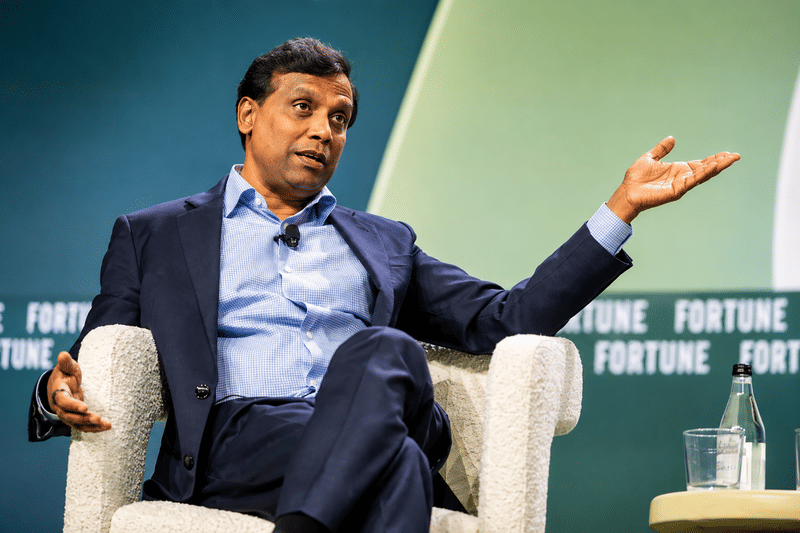
Cognizant hired 20,000 entry-level graduates last year and expects to increase that number in 2026, as the IT services giant bets that artificial intelligence will reshape jobs rather than eliminate them.
At a time when some of the biggest names in artificial intelligence have warned about the impact of AI on entry-level white-collar jobs, Cognizant is moving in the opposite direction. The company hired 20,000 entry-level graduates last year and expects to expand that intake in 2026, according to Chief Executive Officer Ravi Kumar S.
Speaking at Fortune's COO Summit in Scottsdale, Arizona, Kumar said concerns about a collapse in entry-level employment have been overstated and suggested AI is more likely to transform workforce structures than eliminate opportunities for new entrants.
"There was a little bit of fearmongering from reading about the fact that there's going to be a collapse of jobs," Kumar said during a conversation with Fortune executive editorial director Diane Brady. "I think there will be more jobs."
The comments come as businesses worldwide continue to assess how generative AI and agentic technologies will affect hiring, workforce planning and productivity.
Graduate recruitment remains a priority
Despite ongoing restructuring efforts and workforce adjustments linked to its AI transformation strategy, Cognizant continues to invest in early-career talent.
According to Kumar, the company:
• Hired 20,000 entry-level college graduates last year
• Expects graduate hiring numbers to increase in 2026
• Employs more than 350,000 people globally
The hiring plans stand in contrast to growing concerns that AI could reduce demand for junior professional roles.
In recent months, technology leaders including OpenAI CEO Sam Altman and Anthropic CEO Dario Amodei have warned about the potential impact of AI on entry-level white-collar employment. Fortune noted that both executives have recently softened some of those predictions.
New AI-era roles emerge across disciplines
Part of Cognizant's future hiring strategy is tied to its AI Builder initiative, which introduces new workforce categories designed around AI adoption.
Among the new positions highlighted by Kumar are:
• Frontier Certified Engineer
• Frontier Business Operator
According to the Cognizant chief, these roles are not restricted to traditional technology graduates.
He said candidates from a range of academic backgrounds could qualify, including individuals with expertise in history, life sciences, human resources and accounting, provided they are able to work effectively with AI-powered tools and workflows.
The comments suggest that AI-related hiring may increasingly prioritise applied skills and domain knowledge alongside technical capabilities.
AI may flatten workforce structures
While Kumar dismissed predictions of widespread job destruction, he acknowledged that AI is likely to alter organisational structures.
According to his assessment, the traditional workforce pyramid will become flatter over time.
He said companies will continue to require substantial numbers of entry-level employees as well as senior leaders responsible for strategic direction. However, he expects AI systems to take on a larger share of work traditionally performed in middle layers of organisations.
Kumar described future roles as increasingly focused on:
• Validation and verification
• Authentication and oversight
• Outcome management
• AI-enabled decision support
The result, he suggested, could be leaner middle-management structures even as hiring continues at other levels of the organisation.
Cognizant chief challenges popular AI productivity metrics
Beyond workforce planning, Kumar also questioned how many companies currently measure AI adoption and productivity.
According to Fortune, organisations including Meta, Amazon and OpenAI have used token consumption as one indicator of AI usage and productivity.
Kumar said the industry's focus on token volumes has become a misleading measure of value creation.
"For the last two years, how you consumed tokens, how much tokens you consumed was a vanity metric," he said.
Instead, he suggested organisations should focus on business outcomes rather than usage metrics alone.
According to Kumar, companies need to move beyond measuring inputs such as billable hours and project delivery and increasingly align value creation with measurable outcomes.
Hiring outlook reflects a broader workforce debate
The comments highlight a growing divide in how business leaders view the labour market implications of artificial intelligence.
While some executives continue to warn about significant disruption to entry-level employment, others see AI creating new categories of work and changing the skills employers prioritise rather than reducing overall hiring demand.
For Cognizant, that belief is being reflected in recruitment plans. The company's decision to hire 20,000 graduates and expand intake further in 2026 suggests it sees human talent remaining central to business growth, even as AI becomes more deeply embedded in workplace operations.
As organisations continue to experiment with AI-driven productivity models, the debate is increasingly shifting from whether jobs will disappear to how workforce structures, skills requirements and career pathways will evolve in the years ahead.
Topics
Author
Loading...