







Strategic HR
After BMW's layoffs, Jaguar Land Rover begins cutting up to 300 salaried and management jobs






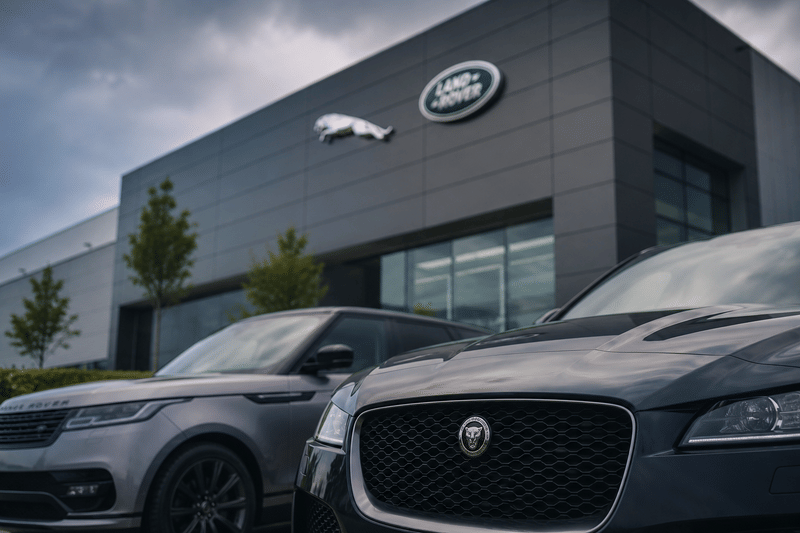
The UK luxury carmaker has launched a voluntary exit and redeployment programme for fewer than 300 employees as it continues restructuring after a cyberattack that disrupted production and cost an estimated £1.9 billion.
Jaguar Land Rover (JLR) has begun cutting fewer than 300 salaried and management roles under a limited redeployment and displacement programme, marking another restructuring move in Europe's automotive sector. This came days after BMW announced plans to eliminate up to 8,000 jobs in Germany through voluntary redundancies.
According to reporting by the BBC, JLR said affected employees would be offered redeployment opportunities wherever possible, alongside the option of voluntary early exit. The programme comes as the company continues rebuilding after a cyberattack in 2025 halted manufacturing for several weeks and significantly affected production.
Limited workforce reduction focuses on non-production employees
JLR said the restructuring forms part of a broader transformation of its operating model as it prepares for future vehicle programmes.
In a statement quoted by the BBC, the company said: "Impacted colleagues will be supported to find alternative roles wherever possible, alongside the option of voluntary early exit."
The company expects fewer than 300 employees to leave under the programme.
According to the BBC, the workforce reduction will affect salaried and management roles, while production line employees are not expected to be impacted.
JLR said: "As we evolve our operating model to accelerate the growth of our house of brands and deliver our next-generation vehicles, we are transforming our business to improve decision-making and performance."
It added: "As part of our ongoing transformation initiatives, we have launched a limited redeployment and displacement programme."
Cyberattack continues to shape recovery plans
The latest restructuring follows one of the most disruptive periods in the company's recent history.
A cyberattack in September 2025 forced JLR to suspend manufacturing operations for several weeks, leaving production lines across its UK plants idle.
The disruption affected both Jaguar and Land Rover production.
Key business impacts include:
- Manufacturing stopped for several weeks following the September 2025 cyberattack.
- Overall vehicle production declined by 27%.
- The cyberattack and resulting production losses cost an estimated £1.9 billion.
- In June, JLR announced plans to reduce costs by approximately £1.7 billion over the coming years to support its recovery.
- The company previously said savings would come from materials, warranty and fixed costs.
The cyberattack also coincided with JLR's pause in Jaguar vehicle production ahead of the brand's planned relaunch with a new range of all-electric saloons.
JLR employs around 30,000 people in the UK
JLR remains one of the UK's largest automotive employers.
According to the BBC, the company employs around 30,000 people across its UK operations and approximately 10,000 employees internationally.
Its global headquarters are based at Whitley, while manufacturing operations are located at Solihull, Wolverhampton and Halewood on Merseyside.
The latest workforce changes represent a small proportion of the company's overall UK workforce but reflect continued efforts to streamline operations as it invests in future products.
European carmakers continue restructuring
JLR's announcement comes shortly after BMW confirmed plans to cut up to 8,000 jobs in Germany through a voluntary redundancy programme covering administrative and development functions. According to reporting by The Guardian, BMW said production operations would remain unaffected and there was no indication of any impact on its India workforce.
Both announcements highlight the continued restructuring taking place across Europe's automotive sector as manufacturers manage cost pressures, invest in electrification and adapt to changing market conditions.
For JLR, the immediate focus remains on improving operational performance while completing its recovery from last year's cyberattack and advancing its next generation of vehicles.
Topics
Author

Loading...