







Strategic HR
Air India HR challenge deepens as experienced pilots leave for rivals






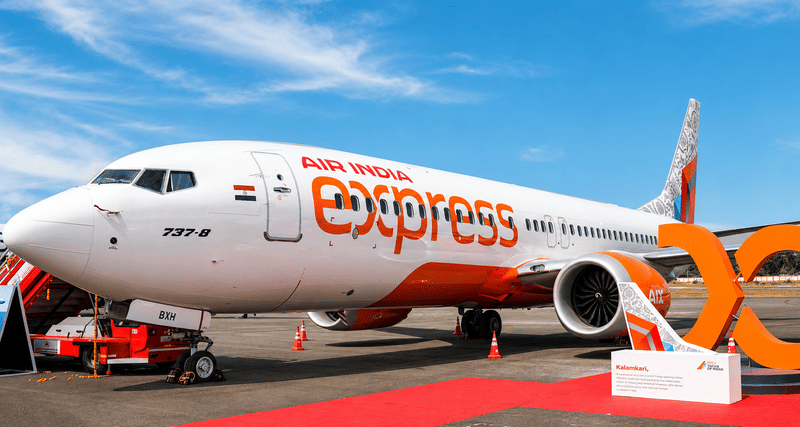
Pilots' body ALPA India has urged Noel Tata to intervene, warning that rising attrition among experienced cockpit crew is becoming a flight safety concern across the Air India Group.
The challenge of retaining experienced pilots has emerged as a significant workforce issue for Air India, with the Airline Pilots' Association of India (ALPA India) warning that the departure of senior cockpit crew to rival airlines could have implications beyond talent management.
In an open letter addressed to Noel Tata, Chairman of Tata Trusts, the pilots' association said the continued exodus of experienced aviators, particularly from Air India Express, is creating growing operational and safety concerns. According to a report by NDTV Profit, ALPA India described the issue as a flight safety matter rather than a routine human resources challenge.
The letter comes at a crucial time for the Tata Group-owned airline as it expands operations, inducts new aircraft and seeks to strengthen its pilot workforce.
Attrition concerns move beyond workforce management
According to ALPA India, several factors are driving pilots to leave the Air India Group for competing carriers.
The association said pilots have expressed concerns over:
• Income levels not meeting expectations
• Reduction in certain benefits and perks
• Deteriorating working conditions
• Ongoing concerns around work-life balance
The pilots' body stated that the cumulative effect of these issues has accelerated attrition among experienced crew members.
In its communication to Noel Tata, ALPA India said the consequences of losing experienced pilots could extend beyond staffing shortages and affect operational resilience.
Association cites incidents to support warning
To reinforce its concerns, ALPA India referred to three incidents which it believes highlight the risks associated with the loss of experienced cockpit personnel.
According to the association, these incidents include:
• An Air India flight operating to Phuket
• A tail-strike event
• A go-around incident
ALPA India cited these cases as examples of how the departure of experienced pilots could begin to influence operational outcomes.
The association did not frame the incidents as isolated events but presented them as indicators of broader risks linked to workforce experience levels.
Pilots seek changes in pay, welfare and safety practices
The letter outlines a wide-ranging set of demands aimed at improving retention and strengthening operational safety.
Among the measures sought by ALPA India are:
• More competitive compensation structures
• Retirement and long-term financial benefits
• Transparent career progression pathways
• Protection for pilots during fleet transition programmes
• Stable rostering practices
• Meaningful and usable leave policies
• Protected rest periods
• Stronger fatigue-risk management systems
• Business-class travel for positioning flights
• A non-punitive safety reporting framework
• Formal consultation before major policy changes are implemented
The association has also called for an independent review benchmarked against international standards.
According to NDTV Profit, ALPA India wants the review to examine attrition levels, fatigue data, roster management practices and cockpit experience across the Air India Group.
Recent pay measures have not ended concerns
The latest warning arrives despite recent efforts by Air India and Air India Express to address pilot retention challenges.
Earlier this month, the airlines introduced revised compensation measures that included salary increases and additional incentives.
Key measures announced include:
• Pilot salary hikes ranging from approximately 9% to 15%
• A one-time transfer allowance for pilots moving to Air India Express
• Transfer incentives ranging from Rs 10 lakh to Rs 21 lakh depending on rank
The incentives are intended to support staffing requirements as Air India Express prepares to induct around 40 Boeing 737 MAX aircraft into its fleet.
However, ALPA India's latest intervention suggests concerns among sections of the pilot community remain unresolved despite the revised package.
Expansion plans place greater focus on retention
The issue has gained importance as Air India continues an ambitious transformation programme under Tata Group ownership.
The airline is expanding capacity, modernising its fleet and investing in growth across domestic and international markets. Maintaining an adequate pool of experienced pilots is viewed as critical to supporting those plans.
For Air India, the challenge now extends beyond recruitment. Retaining experienced cockpit crew while addressing concerns around compensation, scheduling and workplace conditions may prove equally important as the carrier pursues its long-term expansion strategy.
ALPA India's appeal to Noel Tata places pilot retention firmly at the centre of the conversation, linking workforce stability directly to operational performance and flight safety. How the airline responds could shape both employee confidence and its ability to sustain growth in the years ahead.
Topics
Author

Loading...