







Strategic HR
Amid tech layoffs, Capgemini India plans to hire 45,000 employees in 2025





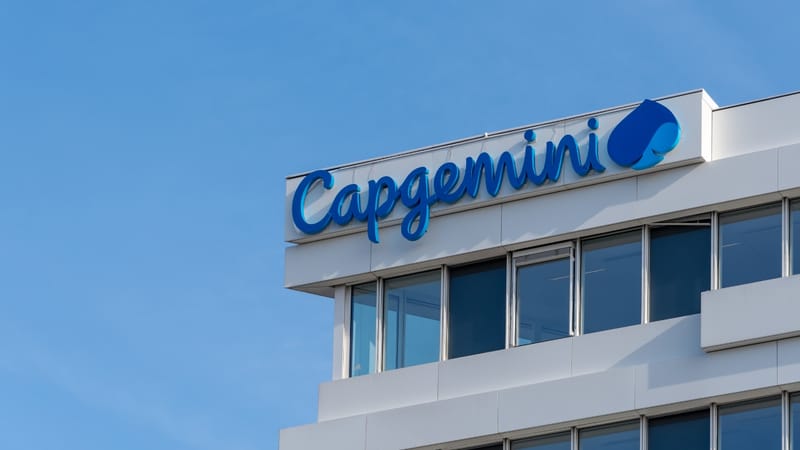
Despite layoffs, Capgemini plans massive hiring in India, focusing on AI-trained graduates and experienced professionals for its evolving tech roadmap.
In a bold counter-narrative to widespread layoffs across the Indian IT industry, Capgemini India is preparing to hire between 40,000 and 45,000 new employees in 2025, with a strategic focus on building an AI-ready workforce. The move positions the company as a growth-driven outlier in a sector grappling with hiring slowdowns and job cuts.
The news was first reported by The Hindu BusinessLine, citing internal company planning sources. According to the report, around 35–40% of the new hires will be lateral recruits, brought in to strengthen critical capabilities across digital transformation, cloud services, data engineering, and AI-led consulting. The remaining positions will be filled by fresh graduates from more than 50 educational institutions across India, with whom Capgemini has established strategic partnerships.
“We are focused on developing talent that is natively trained in artificial intelligence from day one,” a senior Capgemini executive told BusinessLine. “Our clients are increasingly seeking cost-effective, scalable AI-enabled solutions, and India is central to delivering that.”
Preparing for an AI-Centric Future
Capgemini’s hiring initiative is anchored in its broader ambition to create an AI-first service delivery model. The company plans to train all new hires in artificial intelligence and related technologies to align with rising global demand for automation, analytics, and AI-enabled platforms.
With global enterprises under pressure to innovate while controlling costs, Capgemini’s India centres have become integral to delivering scalable, AI-powered solutions. The upcoming recruitment cycle underscores the company’s confidence in India’s talent ecosystem and its critical role in Capgemini’s global operations.
Capgemini’s recruitment drive coincides with its ongoing acquisition of WNS Global Services, a business process management (BPM) firm headquartered in Mumbai. The deal, which is currently pending regulatory approvals, is expected to close within the next six months. If completed, it will be Capgemini’s largest acquisition by headcount to date.
According to Capgemini, the acquisition will integrate WNS’s “agentic AI” offerings with its existing AI and analytics capabilities. This combination is expected to significantly enhance the group’s position in intelligent operations and business transformation services. The company estimates the acquisition could generate $100–$140 million in revenue synergies by 2027, as reported by The Hindu BusinessLine.
Importantly, Capgemini has reassured stakeholders that no large-scale layoffs are planned as part of the WNS acquisition. This is in line with the company’s historical approach to mergers and acquisitions, which prioritises integration and growth rather than workforce consolidation.
At a time when top-tier technology firms such as Microsoft, TCS, and Intel have initiated widespread job cuts—largely attributed to automation and AI replacing redundant roles—Capgemini’s hiring commitment stands out. The company currently employs around 175,000 people in India, and this hiring wave could see that number climb significantly, reinforcing India’s position as a global tech delivery powerhouse.
According to recent industry data compiled by Nasscom and independent market analysts, India’s tech sector saw more than 100,000 job losses between 2023 and 2025, mainly among mid-level managers and non-digital roles. Capgemini’s growth plans, therefore, offer a rare note of optimism in a cautious job market.
Capgemini’s partnerships with Indian colleges are designed not just for recruitment but also for skill-building in AI, machine learning, cloud, and cybersecurity. These partnerships will offer tailored learning modules, internship opportunities, and real-world project exposure, with a goal of accelerating the AI-readiness of fresh graduates.
The company has also invested in internal skilling programmes for lateral hires, particularly in emerging areas such as Generative AI, AI ethics, and responsible tech governance.
Topics
Author
Loading...