







Strategic HR
BBC to cut 2,000 jobs as it targets £500 million in savings






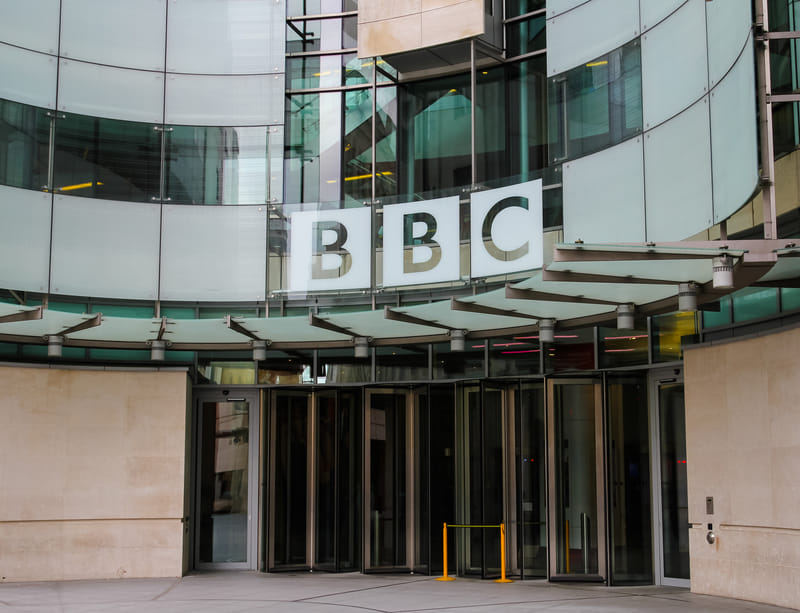
Broadcaster announces largest workforce reduction in over a decade as it grapples with inflation, licence fee pressure and shifting media economics.
The BBC has announced plans to cut up to 2,000 jobs, marking its largest workforce reduction in more than a decade, as the public broadcaster moves to deliver around £500 million in annual savings over the next two years.
The cuts, disclosed during a staff call on Wednesday, underline mounting financial strain on the U.K.’s national broadcaster as it navigates rising costs, weakening licence fee dynamics and broader pressure across the media industry.
Scale of cuts and savings target
The corporation said the job reductions form part of a wider effort to save about 10 per cent of its annual budget, equivalent to roughly £500 million ($677 million), over a two-year period.
According to internal communications cited in reporting, the layoffs represent the deepest workforce reduction at the BBC in over 10 years, reflecting the scale of the financial adjustment now underway.
Financial pressures driving the move
Interim Director-General Rhodri Talfan Davies acknowledged the impact on staff in a message to employees, saying, “I know this creates real uncertainty, but we wanted to be open about the challenge,” according to statements shared with staff.
He attributed the decision to a combination of rising inflation, pressure on licence fee income and a turbulent global economy, factors that have tightened operational headroom across the organisation.
Earlier this year, the BBC had already flagged “substantial financial pressures” and set out plans to reduce around 10 per cent of its budget by 2029, with the bulk of savings expected from the financial year beginning April 1, 2027.
Leadership transition and governance backdrop
The announcement comes at a sensitive time for the broadcaster, as Matt Brittin, a former Google executive, prepares to assume the role of director-general next month.
His appointment follows the departures of Tim Davie and Deborah Turness, who resigned after controversy linked to a misleading edit in a documentary covering U.S. President Donald Trump’s January 6, 2021 speech, according to earlier reporting.
The leadership transition adds further uncertainty as the organisation attempts to stabilise finances while managing reputational and editorial scrutiny.
Funding model under strain
The BBC, funded primarily through the annual licence fee, recently increased to £180, continues to face long-term questions over its funding model.
Opponents of the fee, including commercial broadcasters, have intensified criticism as streaming platforms erode traditional television audiences. At the same time, households have increasingly shifted away from linear broadcasting, putting structural pressure on revenues.
The centre-left Labour government has said it remains committed to ensuring BBC funding is “sustainable and fair”, while not ruling out future reform of the licence fee system.
Outlook
The planned job cuts signal a broader restructuring phase for the BBC as it seeks to balance public service obligations with tighter financial realities.
With savings targets stretching into the next decade and leadership changes underway, the broadcaster faces a delicate task of reducing costs without undermining core services across television, radio and digital platforms.
The scale and pace of the restructuring will now be closely watched by staff, regulators and policymakers as the BBC attempts to reset its cost base for a more fragmented media environment.
Topics
Author

Loading...