







Strategic HR
Coca-Cola bottler HCCB to cut about 300 jobs in profitability push






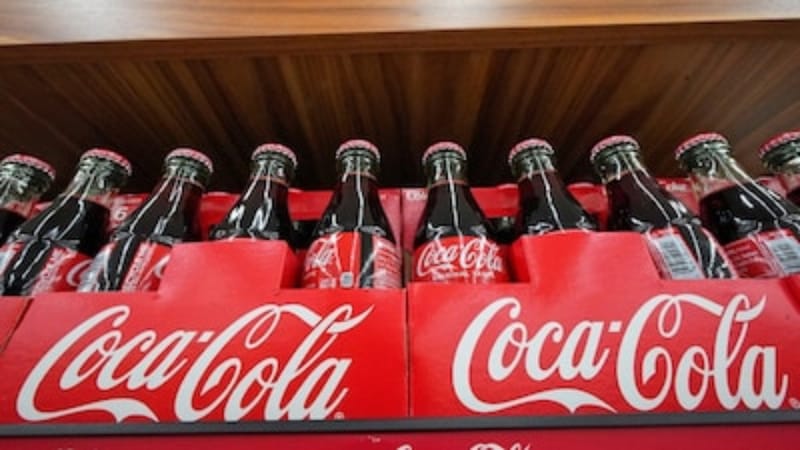
Hindustan Coca-Cola Beverages is trimming 4–6% of staff as it reshapes operations after a FY25 profit slump.
Hindustan Coca-Cola Beverages (HCCB), Coca-Cola’s bottling arm in India, is laying off around 300 employees as it seeks to lift profitability and streamline operations under new leadership, people familiar with the matter told The Economic Times.
The decision has been communicated internally over the past fortnight, the people said, adding that the reductions span functions including sales, supply chain, distribution and plant-level bottling operations.
In a statement to The Economic Times, an HCCB spokesperson said: “Staying in sync with evolving business needs requires us to re-evaluate capabilities, structures, and take corrective actions where necessary.” The spokesperson described the downsizing as “minor in scale and non-disruptive to operations”, adding: “We periodically assess business operations to stay competitive, efficient and agile.”
HCCB employs about 5,000 people and runs 15 manufacturing facilities across India. It bottles and distributes brands including Coca-Cola, Thums Up and Sprite carbonated drinks, Minute Maid juices and Kinley water, among others.
The planned cuts amount to roughly 4–6% of the workforce, one of the people cited earlier said, requesting anonymity. The move comes at a time when large consumer companies are recalibrating cost structures amid uneven demand and rising competitive intensity in India’s beverages market.
Profit hit after territory sell-down
HCCB’s financial performance has been under pressure. The company reported a 73% fall in net profit to Rs 756.64 crore in FY25, while revenue from operations declined 9% to Rs 12,751.29 crore, according to regulatory filings sourced from business intelligence platform Tofler, as reported by The Economic Times.
The company attributed the decline to a higher year-on-year base in FY24, when it sold bottling operations in several territories to existing franchise partners. HCCB sold bottling operations in Rajasthan, Bihar, the north-east and parts of West Bengal to three large bottlers—Moon Beverages, Kandhari Global Beverages and SLMG Beverages—under a model where Coca-Cola supplies concentrate while bottling partners manufacture and distribute beverages.
The territory transactions reflect a wider operating shift in the Coca-Cola system, which relies on franchise bottlers to drive production and distribution, while the parent supplies concentrate and brand stewardship. For HCCB, however, the transition also meant operating with a changed footprint and a recalibrated revenue base.
Weather and demand added to the strain
Demand conditions in FY25 also proved challenging. The Economic Times reported that consumption was subdued due to unseasonal and heavy rainfall during peak summer months from March to September—an important period for the soft drinks industry.
The April–June quarter is typically the single biggest period for India’s nearly Rs 60,000-crore soft drinks market. A weak summer can hit volumes sharply because carbonated beverages and packaged water are heavily seasonal, with sales peaking during periods of sustained heat.
While Coca-Cola remains a leading beverage company in India’s soft drinks segment, the profitability of bottling operations depends on tight control of manufacturing, logistics and route-to-market costs, as well as consistent capacity utilisation at plants.
What happens next
The immediate focus for HCCB is likely to be operational efficiency—especially across distribution and plant operations, where labour and logistics costs can be material. People familiar with the matter described the layoffs as part of a broader effort to improve profitability and streamline processes.
The next test will come as the company moves into the upcoming summer cycle. Weather, consumer demand, and execution by both HCCB and franchise bottlers will influence whether the system can recover volumes and protect margins in a market where competition and promotional intensity remain high.
Topics
Author

Loading...