







Strategic HR
Opendoor new chairman questions 1,400 employees, says only 200 would suffice






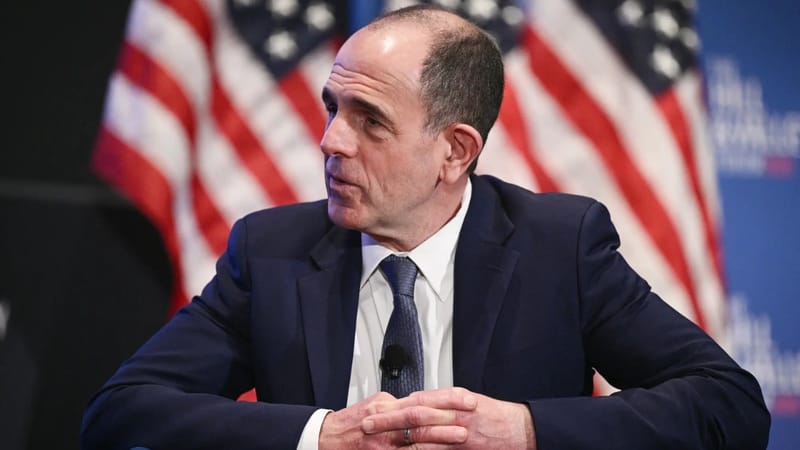
Keith Rabois, back as chairman, attacks headcount and remote work as Opendoor reshapes leadership and strategy.
Keith Rabois, Opendoor’s newly appointed chairman and a company co-founder, said the home-selling platform is “bloated” and does not need most of its current workforce. In a CNBC interview, he said Opendoor has about 1,400 employees but could operate with “no more than 200,” adding, “I don’t know what most of them do.”
Rabois returned to the board this month alongside co-founder Eric Wu as part of a broader overhaul that also saw Shopify’s former chief operating officer, Kaz Nejatian, named chief executive. The company disclosed the changes in a press release and said Khosla Ventures and Wu would invest $40 million through a PIPE financing.
The remarks mark a sharp public reset for the iBuyer as it tries to stabilise operations and re-ignite growth. Rabois also said the company’s culture had “broken” during remote work and signalled a return to in-office collaboration.
Investors reacted strongly to the governance shake-up. Barron’s reported Opendoor shares jumped as much as 36% in pre-market trading after the leadership announcements, reflecting renewed interest from retail investors who had pushed for changes at the company.
Opendoor, founded in 2014, buys homes directly from sellers, makes repairs and resells the properties, using its platform to streamline transactions. The company’s top line has seesawed with housing cycles: Opendoor reported 2024 revenue of about $5.2 billion, down from prior peaks, the company said in its full-year results.
The latest leadership moves return what the company has called “founder DNA” to the boardroom. Rabois, a veteran technology operator and investor, previously helped build the business with Wu, who led Opendoor as chief executive until 2022. Opendoor framed Nejatian’s appointment as positioning the firm for an “AI-powered” chapter, while the $40 million investment from Khosla Ventures and Wu adds balance-sheet support, the company said.
Rabois’s headcount critique puts cost control at the centre of the turnaround effort. Business Insider said he argued that general and administrative expenses had become a drag and that a smaller, office-centred team would raise accountability and execution speed. The comments align with a wider tech-sector trend of tighter staffing and renewed emphasis on in-person work.
Market enthusiasm has been volatile. Barron’s separately noted that the “Open Army”—a cadre of retail investors—has amplified moves in Opendoor’s shares, which have rallied sharply at points this year amid speculation and changing expectations for the housing market. The publication said the return of founders and the CEO change were catalysts for the latest surge.
For employees, the chairman’s comments raise immediate questions about organisational design and potential restructuring. Neither the company’s announcement nor subsequent coverage specified headcount reduction plans or timelines; the focus to date has been governance, capital and operating model direction. Any material workforce actions would come as Opendoor navigates a cooler transaction environment and works to translate efficiency moves into steadier margins.
Topics
Author

Loading...