







Strategic HR
SpiceJet starts layoffs, 500 employees impacted first as fleet shrinks to 13 planes






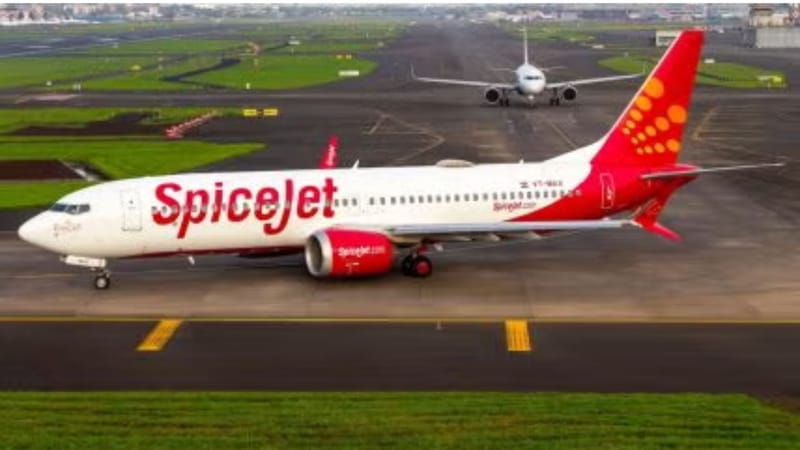
Over 500 staff impacted in first phase as airline with 13 planes faces cash crunch and rising liabilities.
SpiceJet has begun workforce reductions, with more than 500 employees impacted in the first phase, as the budget carrier grapples with a shrinking fleet, mounting dues and prolonged salary delays.
The move signals a deepening financial strain at the airline, which now operates only 13 of its own aircraft, down sharply from around 50 earlier, according to a report by Economic Times.
Workforce cuts and furlough measures
The airline has initiated a mix of layoffs, furloughs and leave without pay (LWP) as part of its cost-cutting efforts. Around 20 per cent of the workforce could eventually be affected, an airline executive told ET.
SpiceJet employs roughly 6,800 staff, but its reduced operational scale has forced a reassessment of manpower requirements. In addition to its own fleet, the airline currently operates about 14 wet-leased aircraft, which come with external crew.
In a letter dated March 31, the human resources department informed employees of a six-month furlough period from April 1 to September 30, 2026, citing “reduced operational capacity” and the need for “cost-rationalisation and workforce-alignment measures”, the report said.
Employee strain and abrupt exits
While furloughs are not formally classified as layoffs, employees told Economic Times that unpaid leave is financially unviable.
“Some have just got married, some have diabetes, some have ailing parents. But nobody's plea is being heard,” an airline official said, describing the situation.
The disruption has extended to employees serving notice periods. According to the report, dozens of engineers were informed on March 31 that their notice periods had been waived, effectively making it their last working day.
Around 62 engineers are believed to be part of the initial list, out of an engineering workforce of about 800, raising concerns over further attrition.
Salary delays and operational changes
Salary delays have compounded the pressure on employees. Payments have reportedly slipped from a one-month lag to as much as three months in some cases, with several higher-paid employees yet to receive January salaries as of early April, Economic Times reported.
“The negotiating power of engineers is gone; others are even worse off,” an employee told the publication, describing the outlook as “grim”.
Operational changes are also affecting pilots. A revised contract for Q400 pilots introduces a 21-days-on, nine-days-off schedule, which management says is aimed at improving work-life balance. However, pilots estimate it could reduce monthly earnings by about 20 per cent.
Mounting dues and financial pressure
The airline’s financial stress is reflected in its liabilities. Pending statutory dues are estimated to exceed ₹100 crore, including unpaid GST, provident fund contributions and tax deductions at source.
Overall liabilities are pegged at more than ₹4,500 crore, despite the airline raising over ₹3,000 crore in September 2024.
With workforce cuts, reduced capacity and rising financial obligations, the airline’s near-term trajectory will hinge on its ability to restore liquidity while maintaining operational continuity in an increasingly competitive aviation market.
Topics
Author
Loading...