







Wellbeing
Delhi mandates 50% work from home under emergency pollution curbs






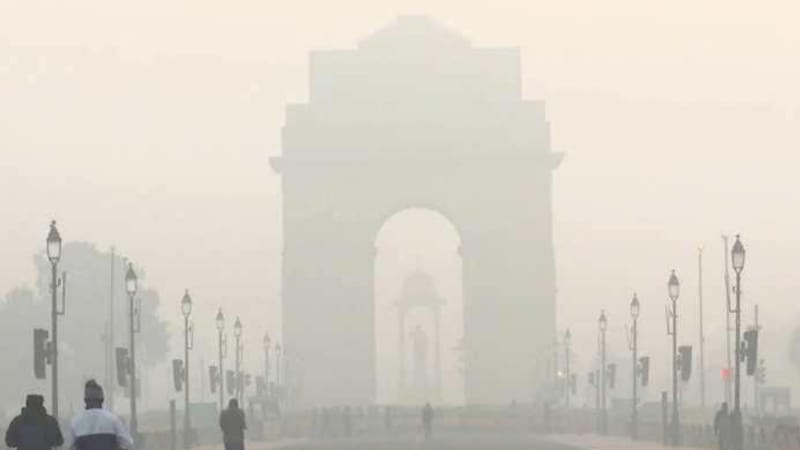
The Delhi government orders offices to cut physical attendance under emergency pollution curbs, with enforcement action promised for non-compliance.
The Delhi government has ordered all government and private institutions to ensure that at least half of their workforce works from home from Thursday, warning that strict action will be taken against organisations that fail to comply, as air quality in the capital deteriorates sharply.
The directive forms part of emergency measures under Stage III and Stage IV of the Graded Response Action Plan (GRAP), which is triggered when pollution levels reach severe thresholds. Delhi labour minister Kapil Mishra announced the mandate at a press briefing, describing it as necessary to reduce vehicular movement and protect public health.
“From Thursday, all government and private institutions must ensure 50% of their workforce is working from home. Strict action will be taken against violators,” Mishra said, according to statements carried by Indian news outlets covering the briefing.
The order applies across sectors but exempts essential services such as hospitals, fire services and pollution control agencies. Construction activity has also been halted under GRAP restrictions, a move that the government says is critical to limiting dust and emissions during peak pollution periods.
To offset the economic impact of the curbs, Mishra said the government would provide compensation of ₹10,000 to registered construction workers who have lost work due to the suspension of building activity. The payout will cover workers affected during the 16 days of GRAP III implementation and will continue through the GRAP IV phase.
Delhi’s air quality has repeatedly slipped into the “severe” category in recent days, driven by a combination of vehicular emissions, industrial pollution, construction dust and seasonal factors. Emergency curbs under GRAP are designed to be progressively tightened as pollution worsens, with work-from-home mandates among the strongest interventions available to authorities.
The latest order revives work-from-home measures that were widely used during earlier pollution crises and the Covid-19 pandemic, though enforcement has often proved uneven. The government said compliance would be monitored closely this time, with penalties for organisations found to be flouting the rules.
Mishra also criticised the opposition Aam Aadmi Party for protesting against the government over pollution control measures, arguing that the problem was the result of decades of environmental neglect. “The problem of 30 years cannot be eradicated within five months,” he said.
For employers, the directive adds immediate operational pressure, particularly on offices that have been pushing a return to physical workspaces. For employees, it offers temporary relief from commuting during hazardous air conditions, even as questions remain over how long emergency measures will need to stay in place.
With winter pollution expected to persist, the government has signalled that restrictions will remain dynamic and could be extended or tightened further if air quality fails to improve in the coming days.
Topics
Author

Loading...