







Talent Management
Work With the World: How Deel Is Powering Global Hiring for Indian Companies
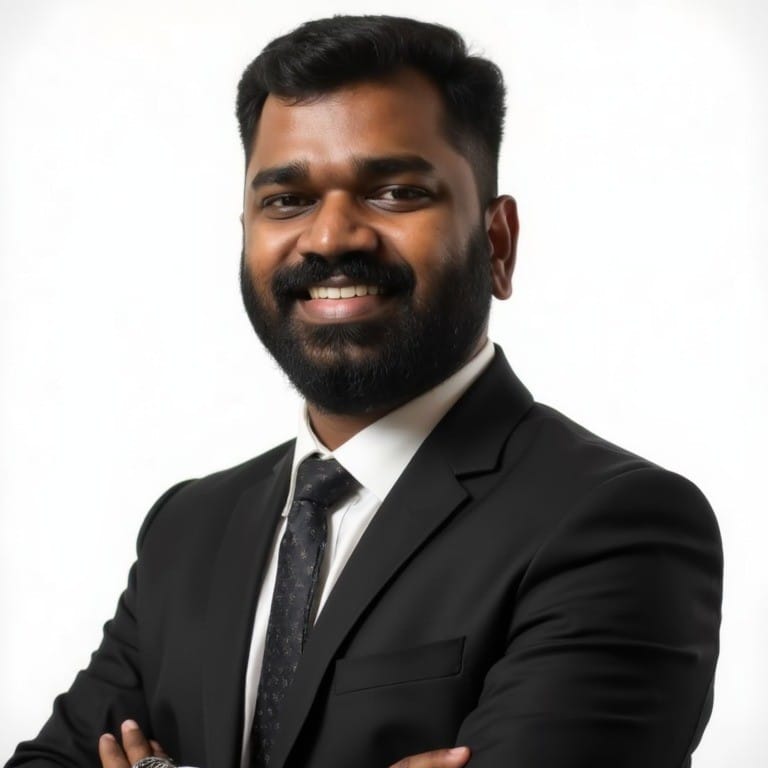





As organisations expand globally, hiring strategies are shifting from location-first models to talent-first workforce design
The ambition is global. The customers are global. And now, the workforce is global too. Today, India is home to the world's third-largest startup ecosystem, a rapidly expanding technology sector projected to surpass US$280 billion in annual revenues, and one of the world's top five manufacturing economies. Powered by rapid digitisation, supportive policy frameworks and growing global recognition of Indian innovation, companies of all sizes are expanding into new markets, serving international customers and building products for a global audience.
But global ambition is only as strong as the talent behind it. As Indian companies compete on a global stage, access to specialised talent and local market expertise has become a critical differentiator. Rather than establishing a presence first and hiring locally second, organisations are building teams across borders from day one. Hiring strategies are shifting from location-first to talent-first.
In a recent conversation with Rakesh Gaur, Head of Sales for India at Deel, hosted by Jerry Moses, Senior Editor, People Matters, one theme stood out clearly: the companies winning today are not necessarily those with access to the largest talent pools, but those that can access specialised talent wherever it exists.
Global ambitions require global talent
The traditional hiring model was simple: set up shop in a market, then hire locally.
Today, companies are doing the opposite. They are increasingly building teams across geographies long before opening offices or establishing legal entities. Instead of asking talent to relocate, businesses are bringing opportunities directly to talent.
This approach offers several advantages. Companies gain access to specialised expertise, strengthen their understanding of local markets, build customer proximity and remain agile – all without making significant upfront infrastructure investments.
The People Matters discussion highlighted that sectors in India such as technology services, manufacturing, professional services, media, e-commerce and pharmaceuticals are among the most active in driving global expansion with this model.
But global hiring isn't as simple as posting a job opening overseas.
The hidden complexity behind global hiring
Hiring internationally often introduces a maze of labour laws, payroll requirements, tax obligations, employee classifications and local regulations. For HR teams, navigating these requirements across multiple countries can consume months of effort and divert resources away from strategic priorities.
One of the biggest challenges is compliance. Labour laws and regulations vary significantly across markets, and they are constantly evolving. For HR teams, keeping track of these changes manually can be both time-consuming and risky. Even a single compliance oversight can result in financial penalties, legal disputes, reputational damage, or, in some jurisdictions, criminal liability.
Establishing legal entities presents another challenge. The process can be costly, time-intensive, and difficult to justify when companies are testing a new market or hiring a small team.
Payroll presents a separate layer of complexity. Paying employees on time, and accurately in local currencies across multiple markets requires navigating different tax structures, statutory deductions, and reporting requirements. Delayed or inaccurate payments can quickly impact employee trust, experience, and eventually, retention.
At the same time, fragmented systems and manual processes often create inefficiencies that slow growth. Without the right infrastructure, global expansion can quickly become an operational nightmare.
Why EOR is becoming a growth enabler
This is where the Employer of Record (EOR) model is changing the equation.
Rather than establishing a legal entity in every market, organisations can hire talent through an EOR provider that assumes responsibility for employment contracts, payroll administration, tax obligations, and local compliance requirements.
This is exactly the challenge Deel is solving. By helping organisations hire, pay, and manage talent across more than 150 countries through a single platform, Deel enables businesses to expand globally without getting slowed down by operational complexity.
The business impact is significant. Take Pixis, a trailblazing tech firm specialising in AI-powered marketing solutions. As it expanded across APAC and the Middle East, onboarding overseas talent could take anywhere from 10 to 15 days, creating delays and increasing the risk of losing candidates to competitors. Using Deel's EOR model, onboarding times were reduced to just 30 minutes. The company onboarded more than 70 contractors across regions while avoiding the need to establish local entities, resulting in estimated savings of US$150,000 to US$200,000.
In a market where top candidates often have multiple offers, hiring speed can become a strategic advantage.
AI is helping organisations scale smarter
Another major theme in the discussion was the role of AI in enabling global workforce management. As organisations manage increasingly distributed workforces, AI is emerging as a powerful force multiplier for HR and business leaders. From tracking regulatory updates and streamlining payroll processes to supporting onboarding and workforce planning, AI is helping organisations reduce manual effort and improve operational efficiency.
However, Rakesh highlighted that while technology handles the complexity, the human element remains crucial. Building trust, fostering engagement and creating meaningful employee experiences still require intentional leadership and strong organisational values.
The next chapter of India's globalisation story
For decades, India has been recognised as a source of talent for the world. Today, a growing number of Indian organisations are writing a new chapter: becoming global employers themselves.
As businesses build teams across borders and compete for talent on a global stage, workforce strategy is becoming a critical driver of growth. The organisations that succeed will be those that can move quickly, hire confidently, and access the best talent no matter where they are.
Or, as Deel puts it: Work with the world.
Watch the full conversation to hear more insights on the changing dynamics of global hiring and workforce expansion.
Author
Loading...