








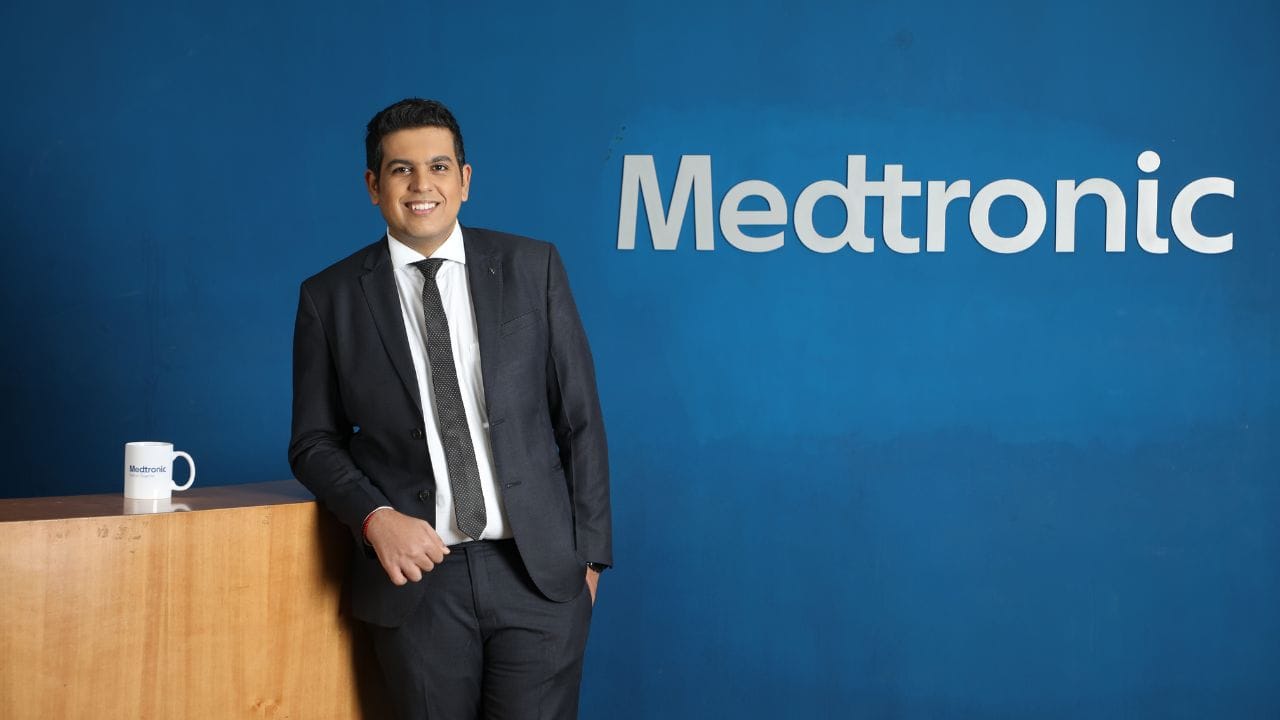
By: Himanshu Kapila
For years, discussions around the future of work focused on where work would happen. Today, the conversation has shifted fundamentally. The focus is no longer on location or flexibility alone; it is increasingly on how work itself is evolving.
Artificial intelligence and automation are transforming the workplace in profound ways. Tasks that once took significant time and effort are now being streamlined, accelerated, or automated. Across industries, organizations are rightly focused on productivity, efficiency, and the new possibilities technology creates.
But as leaders navigate this shift, a deeper question emerges: as technology reshapes work, what will continue to make it meaningful?
This question becomes particularly important as workforce expectations continue to evolve. Deloitte's 2025 Gen Z and Millennial Survey found that 89% of Gen Z and 92% of millennials consider purpose important to their job satisfaction and well-being, while nearly half reported leaving roles they felt lacked purpose. These generations are expected to represent a significant majority of the future workforce, making this less a generational preference and more a workplace reality.
At the same time, workplace AI adoption continues to accelerate. Gallup's recent workforce findings indicate that AI use at work has nearly doubled over the last two years, highlighting the speed at which organizations and employees are embracing these technologies.
Taking together, these trends present an important leadership challenge. As work becomes increasingly automated, employees may spend less time on repetitive execution and more time on judgment, creativity, problem-solving, and collaboration. But when traditional definitions of effort and contribution begin to change, people naturally start asking a different question:
"What value do I create?"
And that is where purpose becomes critical.
Purpose is an employee's ability to see a clear connection between what they do every day and the impact they create.
In healthcare, this connection can be particularly powerful. The most meaningful work environments are often those where individuals can see beyond the task and understand the larger impact of their contribution. At Medtronic, purpose is a commitment to use technology, insight, and human expertise to relieve pain, restore health, and extend life. Every process improved, every technology advanced, and every decision made has the potential to improve outcomes for patients, families, and communities.
As organizations adopt AI on a scale, the challenge for leaders will not simply be implementing technology. It will be preserving and strengthening this sense of connection.
Doing this requires deliberate action.
First, organizations will need to redesign roles around impact, not activities.
Traditionally, many jobs have been defined by tasks and routines. As AI takes on more repetitive work, organizations have an opportunity to redesign roles around higher-value contributions such as problem-solving, innovation, empathy, and decision-making. Employees need to understand not only what they are responsible for, but why their contribution matters.
Second, leaders will need to spend more time creating context.
Technology can provide information instantly; it cannot create meaning. Employees want to understand how their work contributes to patients, customers, communities, and broader organizational goals.
Leadership communication therefore becomes more important, not less. Connecting daily work to a larger mission cannot happen only during annual meetings or major announcements. It must be consistent, authentic, and visible in everyday leadership.
Third, organizations must create opportunities for continuous growth.
One of the greatest anxieties around automation is uncertainty. Employees are not only asking whether jobs will change; they are asking whether they will continue to remain relevant. Investment in learning, reskilling, and career mobility sends a powerful message: people are being prepared to grow with the organization, not left behind by change. Finally, organizations must ensure that humanity remains central to leadership.
As technology becomes more deeply embedded into work, qualities such as empathy, inclusion, collaboration, and trust become even more important. Ironically, the more technology advances, the more human leadership capabilities matter.
The future of work will undoubtedly be powered by intelligent systems and technological progress. But organizations that truly succeed may not be those that simply deploy AI faster than others. They will be the ones that create environments where people continue to find meaning, connection, and a sense of contribution.
Because in a world increasingly defined by automation, purpose may become the most human differentiator of all.
About the author: Himanshu Kapila is Director - Human Resources, India Subcontinent Countries(ISC) at Medtronic, where he leads people and talent initiatives across the organisation. With over a decade of experience at Medtronic, he has worked across talent management, organisational development, employee engagement and workforce transformation. An alumnus of XLRI Jamshedpur, Himanshu is passionate about building people-first workplaces and enabling organisations to adapt to the evolving world of work.Talent development, Diversity and inclusion have always been at the forefront of Himanshu’s priorities as an HR professional.