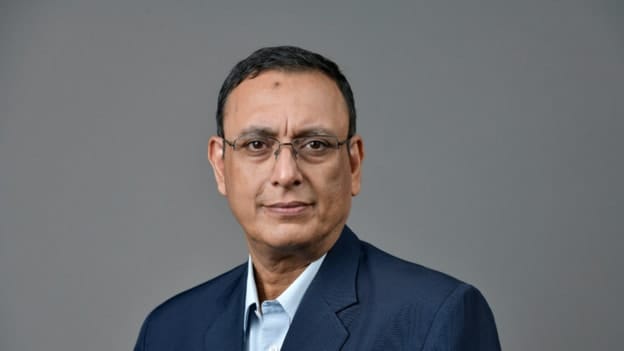
In an exclusive interview with Arun Rao, Chief People Officer, Birlasoft, People Matters explores measures that hold the potential to drive substantial results, aligning L&D efforts seamlessly with the overarching objectives of organisational growth. Arun believes that the culture and values of an organisation depend on strong employee connection and transparency.
Learning and development (L&D) is one of the core areas of Human Resource Management. How do you see L&D evolving over the past years?
According to the World Economic Forum's "Future of Jobs" report, 23% of jobs will change in the next five years, emphasising the need to adopt Learning and Development (L&D) strategies. These ongoing and anticipated transformations in work, technology advancements, and increased learning options, have led to L&D becoming a continuous process underlying learning in the flow of work.
Increased learning options include modern technologies like virtual reality, augmented reality, and AI which have personalised and made learning accessible. As we strive to implement Generative AI solutions for our clients, it has become equally important for us to embrace it to bring a more hyper-personalised learning experience for our employees. Learning technology has become an essential skill for the L&D team.
Remote and hybrid work arrangements, accelerated by the pandemic, require seamless access to training. There is a constant and continuing need for learning opportunities and L&D leadership has to evolve to meet all these requirements.
How to align L&D initiatives with the company's goals and objectives?
Aligning L&D with company goals is crucial for success. The following framework can be useful to achieve this objective:
- Understand Objectives: It is imperative to fully comprehend the company's mission, vision, and long-term goals.
- Identify Needed Skills: Identify and analyse skill gaps between current and desired capabilities.
- Engage Stakeholders: Collaborate with leadership, departments, and employees to tailor L&D initiatives as per expectations.
- Develop Custom Training: Create tailored programs based on insights.
- Promote Continuous Learning: Foster a culture of ongoing skill enhancement.
- Invert the KirkPatrick model: Start the competency development strategy with a conversation related to learning outcomes and intended ROI.
- Democratise Learning: Provide employees learning opportunities basis role and skill needs and the choice to learn as per preference.
Embracing L&D trends empowers employees for adaptability and readiness in a changing workforce and can be the key to organisational success and growth.
As Chief People Officer, how do you decide what works effectively for learning and development at your organisation?
We are in the people and capability business. It is imperative that we enable and empower our employees to own their careers and skill journey. As a mid-sized IT services firm, it is imperative therefore that we are nimble in our approach. Our strategies have been therefore to democratise learning, use best-in-breed content, and reinforce learning that delivers tangible/intangible ROI in the client accounts we serve. And we are striving to achieve many of these objectives by some of the following initiatives:
- Digital Capability Development: We offer specialised programs on emerging technologies like Cloud, AI/ML and key industry domains
- Digital Academies: These are dedicated hubs for continuous learning and innovation
- Access to asynchronous 24x7 online learning: All 12000+ Birlasoft employees have unlimited access to Coursera on technical, domain, functional, behavioral, and project management capabilities
- Adaptive Learning for Newcomers: A case study-based blended learning model, by assigning self-paced modules, along with virtual instructor-led sessions
- Specialised career inflection points learning interventions: Collaborating with premier educational institutions to create customised content for our hi-potential employees wanting to shift/accelerate their career journeys, thus building an effective internal talent pipeline
- Project Management and Agile Competency: Our PMAspire certification framework equips project/program managers to effectively manage projects/programs of any size and complexity.
- Strategic Alliances: Collaborations with industry leaders like Microsoft, SAP, AWS, ServiceNow, Salesforce, and Google provide up-to-date training content and certifications
What do you see as the most challenging task of implementing learning and development initiatives?
In today's fast-paced workplace, L&D teams face challenges in aligning with organisational objectives and engaging employees effectively. A LinkedIn Learning report shows that 83% of organisations aim for a people-centric culture, relying on L&D to lead this endeavor. To meet unique employee needs, personalised learning is essential.
Changing business dynamics demand continuous adaptation in roles and skills. L&D teams struggle to keep up with shifting demands. Every business problem requires a customised approach to create learning solutions. The solutions have to consider innovative modalities, assessment, and clear success criteria. To achieve successful learning outcomes requires detailed planning, leadership support, employee involvement, assessment, and adaptability. Effective L&D is an ongoing journey in a dynamic work environment. We are cognisant of these challenges and our endeavor is to overcome them in a planned and strategic manner.
How do you ensure equal learning and development opportunities for a distributed workforce?
At Birlasoft we believe that to unlock team potential and foster innovation and engagement, we need to create an equitable learning environment. We understand team needs through surveys, self-assessments, or interviews.
We also aim to provide accessible learning options, ensuring equal opportunities for growth. We believe that prioritising fair professional development is essential for outstanding team performance. Democratising learning has been one of our key focus areas. We believe that all our employees should be able to personalise their learning journeys considering both the business requirements and their own career aspirations.
What advice do you have for other HR professionals looking to enhance their organisation's L&D efforts?
A simple yet powerful framework is to first align L&D strategy to your organisation’s core objectives, values, and culture. A second step would be to clearly communicate the purpose and benefits of your L&D approach to all stakeholders.
The framework should also incorporate open dialogue for customisation and alignment with individual goals. This must be put in place by the HR leadership who can help create and foster a culture of continuous feedback and dialogue.
One additional and significant advice would be for L&D to be a torchbearer on the adoption of Generative AI capabilities in multiple facets of learning & development activities. Be it content development, assessment, personalisation, etc., Generative AI will bring disruption and agility for rapid learning solutions.
These clear-cut measures have the potential to yield substantial results, ensuring that L&D endeavors effectively contribute to organisational growth objectives.