Key takeaways
Most employees begin their workday by opening a laptop, checking messages and joining meetings. What often goes unnoticed is the complex network of technologies working behind the scenes to make those activities seamless.
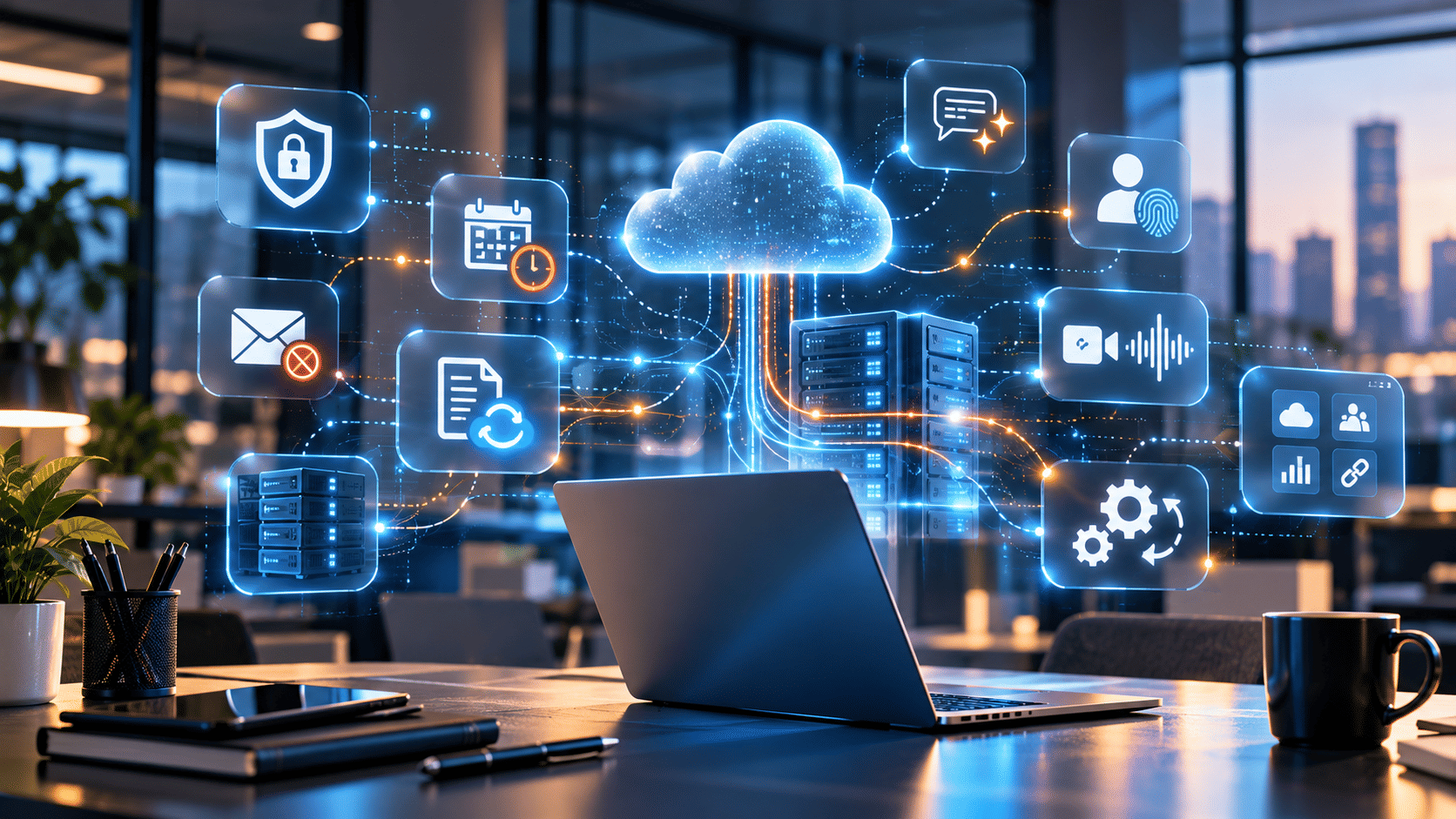
These "invisible technologies" rarely demand attention, yet they underpin productivity, security, collaboration and business continuity across modern organisations. As workplaces become increasingly digital, many of the most important systems are the ones employees barely notice.
Here are 10 invisible technologies employees interact with every day, often without realising how much work they perform in the background.
The unseen digital infrastructure powering work
According to enterprise technology providers and workplace software companies, organisations increasingly rely on automated systems that reduce friction, strengthen security and improve employee experience without requiring direct user intervention.
1. Background network security and firewalls
Every email sent, file downloaded and website accessed passes through multiple security layers.
Firewalls, intrusion detection systems and encryption protocols continuously inspect network traffic, block malicious activity and secure communications without disrupting employees' daily workflows.
Most workers never interact directly with these systems, yet they remain among the most critical components of enterprise technology infrastructure.
2. Automated time zone and calendar synchronisation
Global teams routinely schedule meetings across continents without manually calculating time differences.
Modern calendar platforms automatically adjust for local time zones, identify availability, suggest meeting slots and send reminders. These functions eliminate administrative complexity while supporting distributed workforces.
For multinational organisations, this technology has become essential for collaboration at scale.
3. Predictive text and smart reply engines
Employees use predictive assistance dozens of times each day, often without noticing.
Artificial intelligence-powered language models suggest words, complete sentences and generate quick responses across email, messaging and productivity applications.
These systems reduce typing effort and accelerate routine communication while learning from usage patterns over time.
4. Cloud syncing and version control
The days of emailing multiple file versions back and forth are rapidly disappearing.
Cloud platforms automatically synchronise documents across devices, preserve changes in real time and maintain version histories. Employees can collaborate simultaneously while accessing the latest information without manual file transfers.
This invisible process has fundamentally changed how knowledge work is performed.
Technologies reducing friction across the employee journey
As organisations adopt more digital tools, seamless access and automation have become increasingly important.
5. Ambient identity and access management
Repeatedly entering usernames and passwords across applications would significantly slow productivity.
Single sign-on (SSO), multi-factor authentication and identity management platforms verify credentials behind the scenes, enabling secure access across multiple systems through a streamlined experience.
The technology balances convenience with growing cybersecurity requirements.
6. Background speech-to-text and transcription tools
Virtual meetings increasingly generate automatic notes without requiring dedicated administrators.
Meeting assistants can record conversations, create searchable transcripts and highlight action items in real time. Employees benefit from improved documentation while remaining focused on discussion rather than note-taking.
The technology has become particularly valuable for hybrid and remote teams.
7. Intelligent email filtering
Employees would struggle to manage inboxes efficiently without automated filtering systems.
Spam detection, phishing prevention, priority inbox categorisation and message sorting technologies evaluate incoming communications before users even see them.
These systems help reduce information overload while strengthening organisational security.
The systems employees rarely notice until they stop working
Some workplace technologies receive attention only when they fail.
8. Automated data backup
Business continuity depends heavily on invisible backup processes.
Files, documents and enterprise data are routinely copied to secure locations according to predefined schedules. The process typically occurs without employee involvement, protecting organisations against accidental deletion, cyberattacks and system failures.
For many organisations, automated backup forms a core resilience capability.
9. Network load balancing
Employees expect enterprise applications to remain fast and responsive throughout the day.
Load balancing technologies distribute traffic across servers and infrastructure resources automatically, preventing bottlenecks and maintaining performance during periods of heavy demand.
The process occurs entirely behind the scenes but directly influences digital employee experience.
10. Background API integrations
Modern workplaces depend on software ecosystems rather than standalone applications.
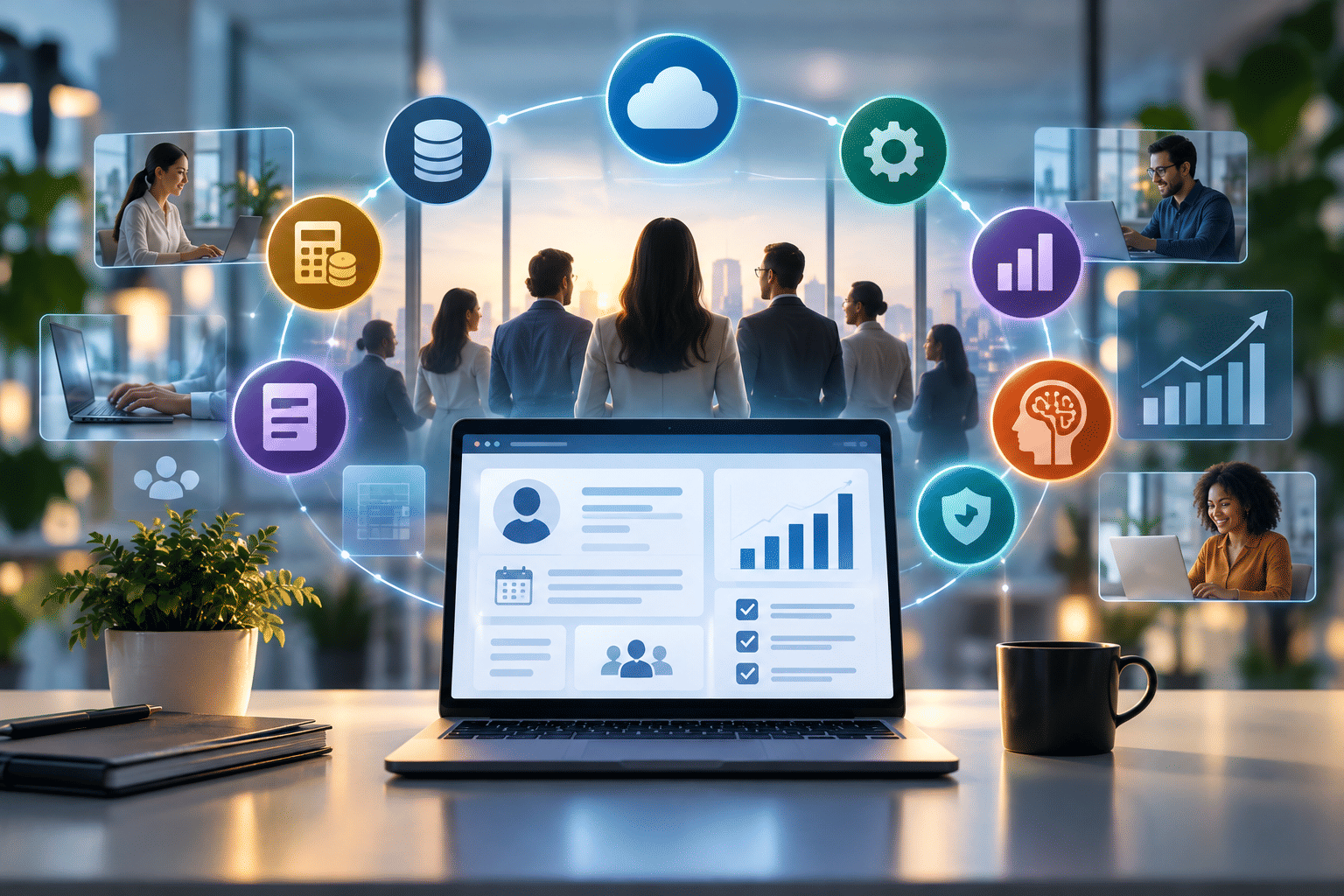
Application Programming Interfaces (APIs) allow HR systems, CRM platforms, finance tools and collaboration software to exchange information automatically. Employee records, approvals, notifications and workflow updates move between systems without manual intervention.
This invisible connectivity has become a defining feature of digital enterprises.
Why invisible technology matters more than ever
The most effective workplace technologies often operate unnoticed.
As organisations adopt AI, automation, cloud computing and connected platforms, success increasingly depends on systems that remove complexity rather than add it. Employees rarely praise background authentication, automated backups or intelligent integrations, yet these technologies shape nearly every aspect of the modern work experience.
The next phase of workplace innovation is likely to make technology even less visible. As AI agents, ambient computing and automated workflows mature, employees may interact less with individual tools and more with outcomes delivered seamlessly through interconnected systems operating quietly in the background.