
There are a number of implications for HR and talent management in terms of managing millennials at the workplace. Firstly, organizations should analyze key performance indicators on the basis of generational differences. Presuming the data do confirm the differences between cohorts that one would expect, there is a need to have tailored HR and talent systems for different cohorts of the workforce, which is something quite new for many organizations to think about. For example, the preference for regular feedback and immediate gratification suggests the importance of regular focused feedback and recognition. Extending work-life balance policies beyond parents and females who have traditionally been the focus of such polices may also be appropriate, as this workforce seeks greater flexibility in their working lives. Similarly, keeping employees engaged through challenging roles and horizontal as well as vertical role changes can assist in retaining these employees. Additionally, in recognizing the desire for global mobility amongst the cohort, it is important to provide key talent amongst the millennials with the opportunity to gain international experience early in their career. Just as supermarkets segment customers according to various categories and target them with marketing, HR and talent systems may benefit from such an approach. Clearly, this is a significant challenge for HR but advances in technology and analytics will greatly aid in the process.
Provide focused feedback and recognition: David Collings

Strategic HR
Hidden productivity tax: SAP Concur’s Brett Wheeldon on how administrative work is costing organisations

Strategic HR
Infographic SHRPA 2026: Blind Spots for AI in HR Across Asia and Middle East

Strategic HR
People are the success factor for the grid the world needs: Alice Hamann, Hitachi Energy

Strategic HR
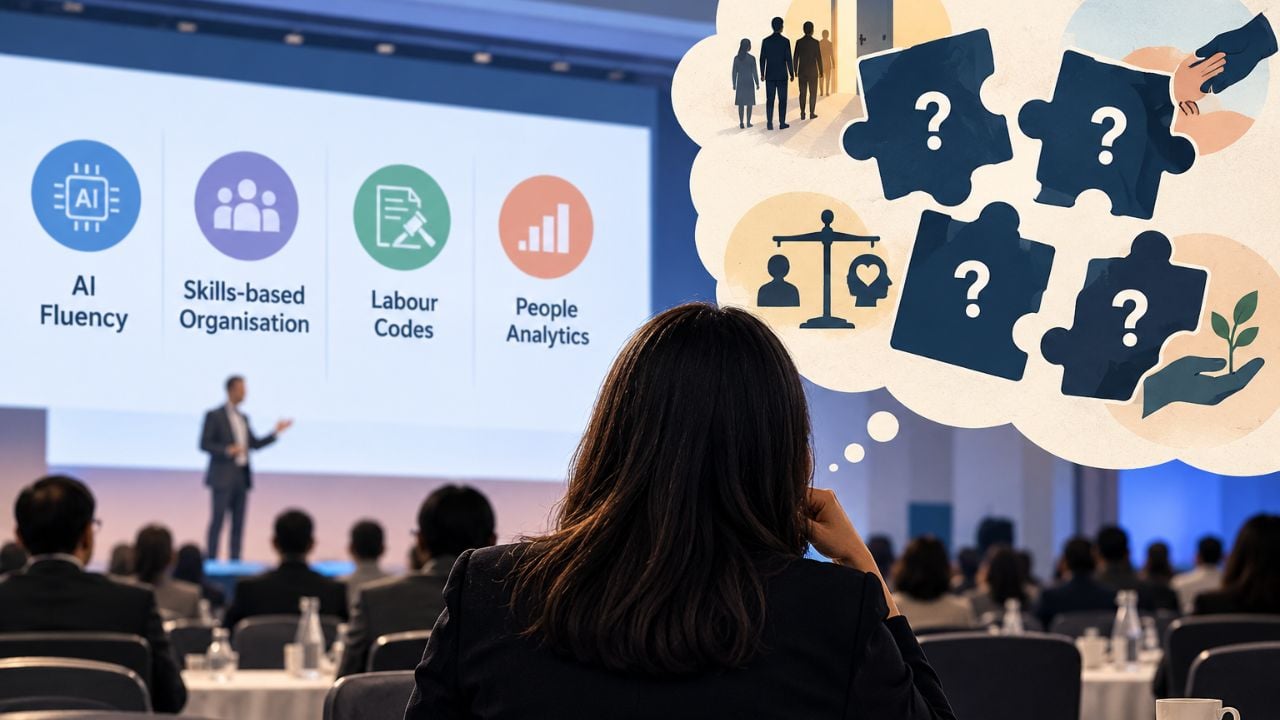
The four things missing from every HR conference this year
Strategic HR
From hiring to onboarding: The hidden complexity of building global teams